Democrats Vie for Black Voters in 2028 Race
Democratic hopefuls are actively seeking support from Black voters ahead of the 2028 presidential election. Key figures like Kamala Harris, along with several governors, are attending conventions and making strategic visits to critical states. They aim to address voter concerns on economic issues and foreign policy, echoing historical efforts to engage this vital demographic.

Democrats Court Black Voters for 2028 Presidential Bid
As the 2028 presidential election cycle begins to take shape, top Democratic politicians are making a strong push to connect with Black voters. Many potential candidates gathered recently at the National Action Network Convention in New York City. This event served as a key testing ground for politicians looking to build support. They aim to show they understand and can address the concerns of this vital voting bloc.
Key Figures Eyeing the White House
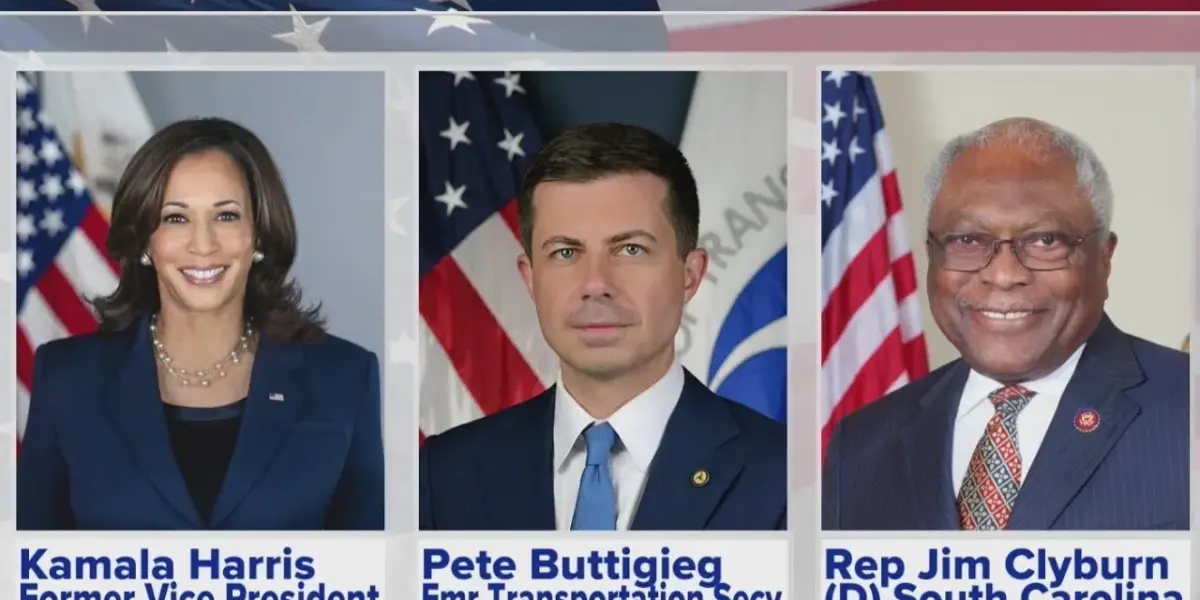
Several prominent Democrats, who have not yet officially declared their candidacy, were present. Former Vice President Kamala Harris is set to speak at the convention. She has not ruled out another run for president. Her appearance is seen as a significant move to shore up her standing with Black voters. She aims to test her popularity among a crowded field of potential hopefuls.
Other notable figures included Pennsylvania Governor Josh Shapiro, Maryland Governor Wes Moore, and Illinois Governor J.B. Pritzker. All three governors have also not ruled out presidential ambitions. They participated in discussions and speeches, signaling their interest in national office. Governor Shapiro emphasized the need for Democrats to have a serious debate about their core values and goals. He wants to be part of that important conversation.
Focus on Key Issues
The convention provided a platform for candidates to address pressing issues. Governor Wes Moore, for instance, spoke critically about the current administration’s handling of foreign conflicts. He specifically mentioned the war in Iran. Moore questioned the use of taxpayer money for such conflicts. He highlighted the impact on everyday Americans through rising gas and grocery prices. He stated that the public deserves clear answers from the President about these decisions.
The gathering also featured former Transportation Secretary Pete Buttigieg and South Carolina Congressman Jim Clyburn. Clyburn played a crucial role in helping Joe Biden win over young Black voters in 2020. Their presence underscores the party’s focus on energizing different segments of the Black electorate. All three were scheduled to speak, offering their perspectives and appealing for support.
Strategic Moves and Future Plans
The actions taken by these politicians are strategic. Following the convention, Kamala Harris plans to travel to South Carolina. This state is known for its significant Black population and its early role in presidential primaries. This visit suggests a deliberate effort to connect with voters in a key early state. It indicates a potential focus on building momentum in regions critical for winning the Democratic nomination.
While no one has officially declared their candidacy for 2028, the messages and appearances at the convention offer clear hints. The Democratic hopefuls are actively working to build their bases. They are seeking to demonstrate their commitment to issues important to Black communities. The conversations and debates happening now will likely shape the upcoming presidential race.
Global Impact
The focus on Black voters by Democratic hopefuls is not just an internal party matter. It reflects a broader trend in American politics. The Black community remains a crucial demographic for the Democratic Party’s success. Candidates understand that winning their support is often essential for securing the nomination and winning a general election.
The issues raised, such as economic concerns and foreign policy, have wider implications. How candidates address inflation, energy prices, and international conflicts can affect voter sentiment. This can influence policy decisions and diplomatic approaches. The emphasis on connecting with specific communities also highlights the diverse interests within the American electorate. Candidates must appeal to a broad coalition to win national office.
Historical Context
The effort to court Black voters has deep historical roots in American politics. Following the Civil Rights Movement, Black voters became a cornerstone of the Democratic Party. Their support has been instrumental in numerous elections. However, the party faces ongoing challenges in maintaining and growing this support. Factors like economic disparities, social issues, and generational differences can influence voting patterns.
Events like the National Action Network Convention have historically served as important forums for political engagement. They allow candidates to directly engage with community leaders and voters. This tradition dates back to earlier civil rights gatherings where political access and influence were central themes. The current efforts by Democrats echo these past struggles for representation and political power.
Economic Considerations
Economic issues were a significant part of the discussions. Concerns about rising prices for groceries and energy are directly impacting households. Candidates are being pressed to offer solutions. The mention of taxpayer dollars funding foreign wars connects economic anxieties to foreign policy. This suggests voters are looking for candidates who can manage both domestic prosperity and responsible international engagement.
The candidates’ appeals are also economic in nature. By promising to address the concerns of Black voters, they are seeking to mobilize a powerful voting bloc. This bloc’s turnout can significantly impact election outcomes. The economic well-being and priorities of this community are therefore central to any Democratic presidential campaign strategy.
Future Scenarios
Several scenarios could unfold from these early moves. Kamala Harris could solidify her position as a front-runner by effectively engaging Black voters. Alternatively, other candidates like Governors Shapiro, Moore, or Pritzker might gain traction by presenting themselves as fresh faces or by focusing on different policy areas. The effectiveness of their outreach and their ability to connect with voters on key issues will determine their success.
It is also possible that new contenders could emerge, or that existing candidates might pivot their strategies. The 2028 election is still some time away. However, the current efforts show a clear understanding of the political landscape. Candidates are positioning themselves strategically to capture the support needed to compete for the highest office in the land. The focus on Black voters is a critical element in this ongoing political contest.
Source: Kamala Harris, Democratic presidential hopefuls make pitch to Black voters | NewsNation Live (YouTube)

Related Articles

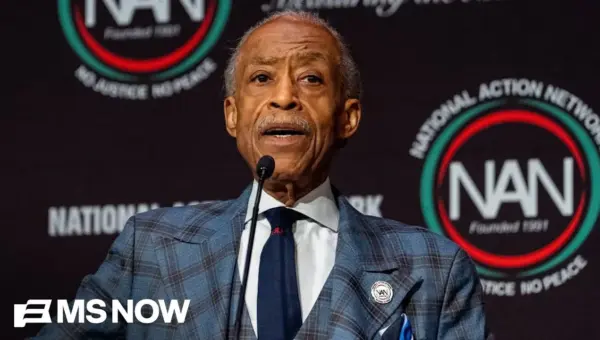
Sharpton Spots 2028 Dem Stars at NAN Convention
Reverend Al Sharpton highlighted potential 2028 Democratic presidential hopefuls like Governor Wes Moore and Vice President Kamala Harris at the National Action Network Convention. Key issues driving voters include affordability, healthcare costs, and voting rights, according to Sharpton.

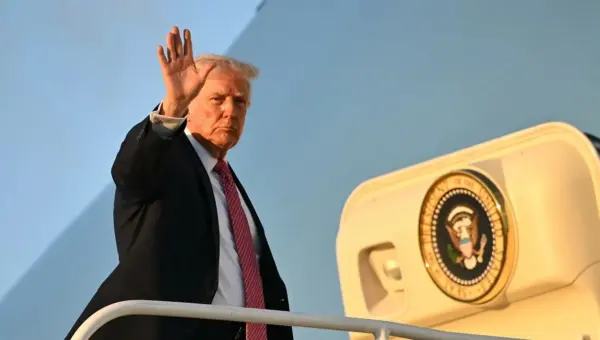
Trump’s Return: A Political Chess Move?
Former President Donald Trump's recent departure from Miami to Washington D.C. after his arraignment is more than just travel. It signals a potential strategic move to rally supporters and control the political narrative amidst ongoing legal challenges.

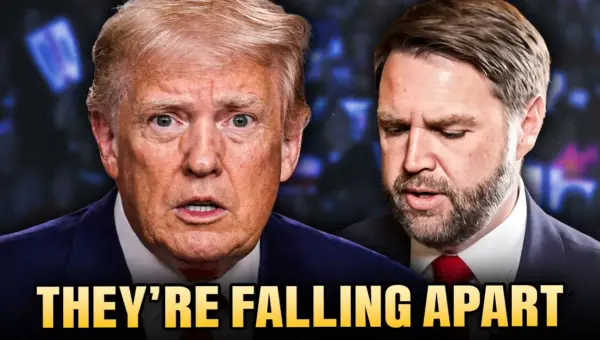
Trump’s Team Flees: A Calculated Exit Strategy
Several members of Donald Trump's inner circle are reportedly scrambling to find exits from the administration to avoid public firing. This strategic departure is seen as crucial for those hoping to pursue future political careers, as association with a deeply unpopular administration can be career-damaging.