Democrats’ ‘Trump Derangement’ Fuels Negative Market Outlook
Commentary suggests Democratic opposition to Trump is driven by "Trump derangement," leading to overly negative reactions and overlooking potential positives. This intense political focus can increase uncertainty, potentially impacting investor sentiment and market stability.

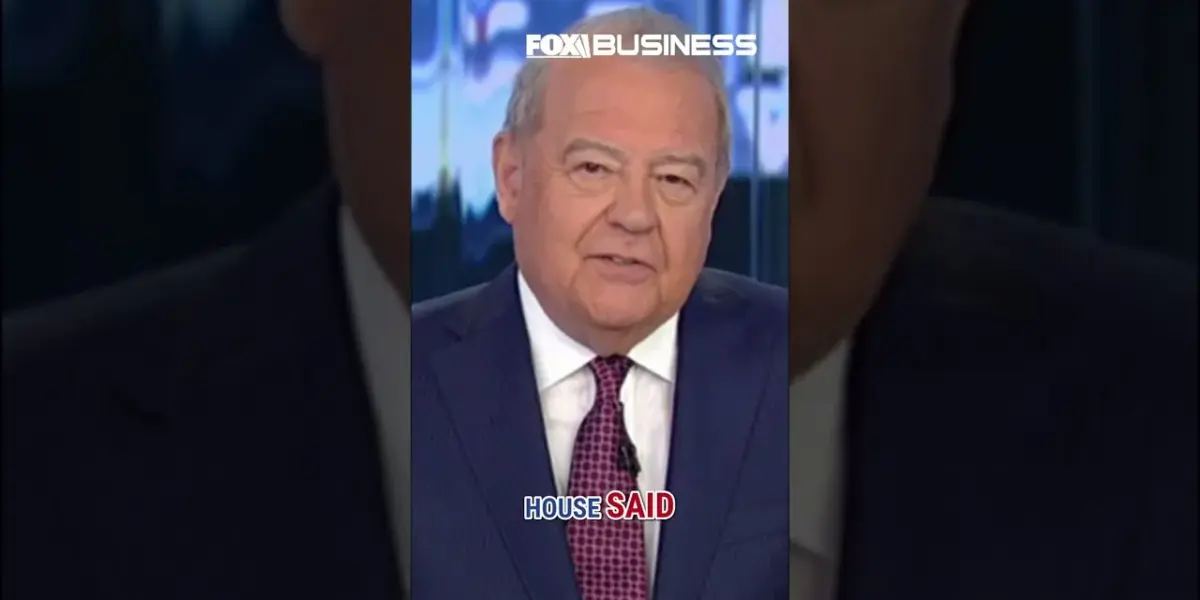
Democrats Criticized for ‘Trump Derangement’ Amid Geopolitical Tensions
A strong sentiment exists among some political commentators that a segment of the Democratic party is overly focused on opposing former President Donald Trump. This perspective suggests that this intense focus, often labeled as “Trump derangement,” is blinding them to potential positive developments and leading to overly negative reactions to significant events. This viewpoint argues that the deep-seated animosity towards Trump prevents objective assessment of his actions and their outcomes. The transcript highlights this by pointing to reactions from progressive lawmakers following President Trump’s statement regarding Iran.
Progressive Lawmakers React Sharply to Trump’s Iran Statement
Following President Trump’s strong remarks about Iran, several prominent Democratic figures voiced extreme criticism. Representative Alexandria Ocasio-Cortez (AOC) tweeted that the president had threatened genocide against the Iranian people and that he must be removed from office. Similarly, Representative Ilhan Omar stated that Donald Trump must be removed for threatening war crimes and genocide, suggesting impeachment proceedings should be considered. Senator Ed Markey also called for the removal of a president who he believed wanted to commit war crimes.
Representative Mark Pocan reportedly described Trump as too “unhinged, dangerous, and deranged” to possess nuclear codes. The White House, in response to these criticisms, reportedly called the remarks “pathetic.” The core of this criticism is that these reactions overlook the potential positive aspect of neutralizing a perceived global terror threat. Instead of acknowledging this action, the focus remained solely on condemnation.
‘Doom and Gloom’ Narrative Dominates Opposition
The commentary suggests that this opposition thrives on a “doom and gloom” narrative. Any negative news or potential negative outcome is seized upon to undermine Trump. This includes predictions of economic recession or general global instability. The argument is that this negativity is not based on objective analysis but rather on a fervent desire for Trump’s failure. This approach, according to the commentary, demonstrates a political bias that prevents a balanced view of events.
Market Impact: Investor Sentiment and Political Uncertainty
While the transcript focuses on political rhetoric, such intense political polarization can have indirect effects on financial markets. Investor sentiment is often swayed by political stability and the perceived direction of economic policy. When political rhetoric becomes highly charged, it can increase uncertainty. This uncertainty can lead to market volatility as investors become hesitant to commit capital.
For example, strong geopolitical rhetoric, regardless of its ultimate impact, can cause short-term fluctuations in oil prices or currency exchange rates. If such rhetoric contributes to a perception of increased global risk, investors might shift towards safer assets, like government bonds, away from riskier assets like stocks. This doesn’t necessarily mean immediate market crashes, but it can create an environment where markets are more sensitive to negative news.
What Investors Should Know: Long-Term Implications
From a long-term investment perspective, the underlying political climate is a crucial factor. A deeply divided political environment, characterized by intense partisan animosity, can lead to policy gridlock. This gridlock can hinder the passage of legislation that might otherwise support economic growth or market stability. For instance, debates over fiscal policy, trade agreements, or regulatory frameworks can become prolonged and unproductive.
Investors generally prefer predictability and a stable policy environment. When political discourse is dominated by personal attacks and extreme positions, it can signal a less predictable future. This can make long-term strategic planning more challenging for businesses and investors alike. The “Trump derangement” narrative, if it reflects a broader trend of political dysfunction, suggests that periods of heightened political uncertainty may continue. This can impact sectors sensitive to government policy, such as technology, healthcare, and energy.
Ultimately, while the transcript focuses on the political motivations behind certain reactions, the broader takeaway for investors is the connection between political rhetoric, uncertainty, and market behavior. Understanding the political landscape is therefore an important, albeit indirect, part of investment analysis. It helps in anticipating potential shifts in policy and sentiment that could affect asset prices over time.
Source: Varney: Democrats are blinded by Trump derangement #shorts (YouTube)

Related Articles

Iran War Shifts Calculus on China’s Taiwan Ambitions
The war in Iran, while seemingly creating an opportunity for China to invade Taiwan, actually shifts the calculus. Modern warfare favors defenders, and China's logistical and energy vulnerabilities are now more exposed, making an invasion less likely.

Iran Dominates Hormuz: Trump’s Deal Fails to Reclaim Key Waterway
Iran has significantly strengthened its control over the vital Strait of Hormuz, challenging previous assumptions about its influence. Despite potential deals, ideological drivers and a sense of strategic advantage appear to empower Iran, impacting global oil security.


Oil Prices Stay High as Ceasefire Talks Crumble
The fragile ceasefire agreement is showing signs of collapse, with escalating tensions and disputed terms threatening renewed conflict. Disruptions in the Strait of Hormuz loom, potentially driving oil prices higher and impacting global markets. Investors are advised to brace for continued volatility and adopt a cautious investment strategy.