Democrats Lose Voters as Working Class Shifts Right
A recent survey reveals a significant shift in American politics, showing a steady decline in Democratic identification. Working-class voters are increasingly leaning Republican, while wealthier individuals are now more likely to be Democrats. This realignment poses challenges for the Democratic party's future electoral success.

Democrats Face Voter Erosion as Working Class Moves Right
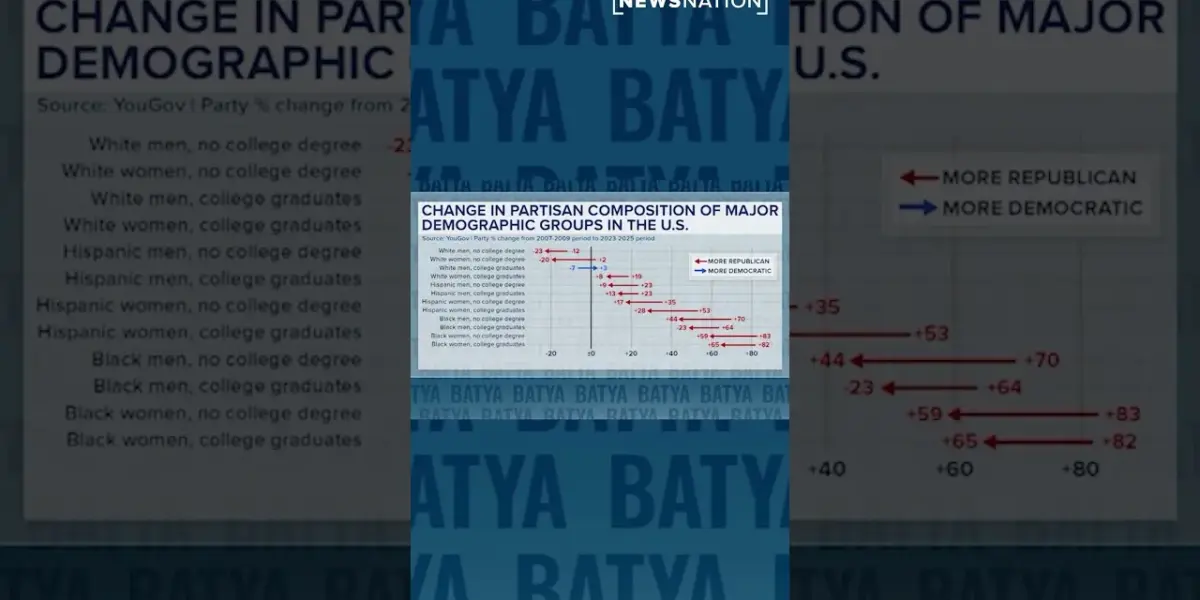
Recent analysis of American political trends reveals a significant shift in voter identification. A Yugov survey covering the past 20 years shows a steady decline in people identifying as Democrats. This trend suggests a deep realignment in American politics, moving away from traditional party lines.
Shifting Demographics and Party Identification
The data indicates that almost every demographic group in the United States has moved towards the political right. The only exception noted is college-educated white men, who remain a consistent part of the Democratic base. This finding challenges common assumptions about political polarization and highlights a broader change in voter priorities and allegiances across the country.
Economic Factors Drive Political Realignment
A key driver of this political change appears to be economic status. Historically, the Democratic party was seen as the champion of the working class. However, the survey suggests a reversal of this trend. Wealthier individuals are now more likely to identify as Democrats. Conversely, working-class Americans are increasingly supporting MAGA movements or identifying as independents who lean Republican.
Impact on Election Outcomes
This economic realignment has significant consequences for the Democratic party’s electoral prospects. The working class represents a much larger segment of the American population than the wealthy. As this large voting bloc shifts its allegiance, the Democrats face a substantial loss of potential voters. This situation raises concerns about the party’s ability to win future elections, including upcoming midterms and presidential races.
Future Electoral Challenges
While some online discussions predict a strong performance for Democrats in upcoming elections, the underlying demographic and economic trends suggest a more challenging path. The steady erosion of their traditional voter base, particularly among the working class, points to potential difficulties in maintaining or regaining power. The shift of working-class voters towards Republican-leaning independents or MAGA supporters represents a significant hurdle for Democratic strategists aiming for victory in 2026 and 2028.
Global Impact
While this analysis focuses on American domestic politics, such significant shifts in a major global power’s electorate can have ripple effects. Changes in the political landscape of the United States can influence its foreign policy, trade relations, and international alliances. A shift in voter priorities could lead to different approaches to global challenges, impacting international cooperation and economic partnerships. The United States’ role on the world stage is shaped by its domestic political stability and direction. Therefore, internal political realignments, especially those driven by economic factors, warrant attention from international observers.
Historical Context
The current political realignment echoes historical patterns of voter migration. In the past, the Democratic party built its coalition on the support of the working class, immigrants, and minority groups. The Republican party, conversely, often drew support from business interests and rural voters. The current shift, where wealth appears to align more with Democrats and the working class with Republicans, is a reversal of some of these long-standing associations. This suggests that economic anxieties and changing class structures are powerful forces that can reshape party loyalties over time, much like they have in previous eras of American history.
Economic Leverage and Voter Behavior
Economic conditions are clearly a powerful force influencing voter behavior. The rising cost of living, wage stagnation, and concerns about economic inequality likely play a role in why working-class voters feel disconnected from the Democratic party. Conversely, policies that may appeal to wealthier individuals, such as certain tax structures or investment opportunities, might align more with the current Democratic platform. This creates a disconnect where the party’s economic message may not resonate with the segment of the population that historically formed its backbone. The perception of which party best addresses economic needs is a critical factor in electoral success.
Future Scenarios
One future scenario is that this trend continues, leading to further erosion of the Democratic base and sustained Republican gains, particularly among working-class voters. Another possibility is that the Democratic party adapts its platform and messaging to reconnect with working-class voters, potentially reversing some of the current trends. A third scenario involves a continued fragmentation of the electorate, with more voters identifying as independents, making election outcomes less predictable. The extent to which economic policies and social issues resonate with different voter groups will likely determine which scenario plays out.
Source: Batya: Do new midterm polls spell trouble for Democrats? (YouTube)

Related Articles

States Face War Costs: A Bold Plan to Fund Conflict
A Republican proposal suggests diverting billions from states to fund the war in Iran, sparking debate over national priorities and the "America First" agenda. This plan could cut social programs and healthcare, impacting vulnerable citizens.

Protests Erupt: Is Trump’s Populist Promise a Scam?
Massive protests across the nation signal deep public frustration with Donald Trump's administration and a perceived betrayal of populist promises. Critics argue that economic hardship and a focus on war over domestic needs show the populist message to be a "con." Organizers hope these demonstrations will fuel a broad coalition committed to democratic principles and lasting political change.

Trump’s Mueller Jab Shows Ruthless Drive
Former President Trump's harsh reaction to Robert Mueller's death highlights his combative political style. This approach, though controversial, is seen by some as the driving force behind his pursuit of policies aimed at helping working-class Americans.