Democrats Face Ideological Crossroads Ahead of 2028
The Democratic Party is gearing up for a significant ideological battle in the upcoming 2028 primary, a departure from previous cycles characterized by ideological alignment. With no clear frontrunner emerging in early polls, candidates are expected to champion diverse visions, from progressive policies like Medicare for All to broader economic reforms, as they vie for the soul of the party.


Democratic Party at a Crossroads: 2028 Primary Looms
As the United States approaches the pivotal midterm elections, the Democratic Party is bracing for what is being described as a significant ideological battle for its very soul. Unlike previous election cycles where candidates largely presented a similar ideological front, the upcoming 2028 Democratic primary is poised to be a genuine contest of ideas, potentially reshaping the party’s direction for years to come. This shift marks a departure from cycles like 2004 (Kerry), 2008 (Obama vs. Clinton), 2016 (Clinton), and 2020 (Biden), where the ideological differences among leading contenders were less pronounced.
A Shifting Ideological Landscape
Historically, Democratic presidential primaries have often featured candidates with broadly aligned ideologies. In 2004, John Kerry represented a more traditional, liberal wing of the party. The 2008 primary between Barack Obama and Hillary Clinton, while a contest of personalities and styles, did not present a stark ideological divide. Similarly, the 2016 election saw Hillary Clinton, and later Joe Biden in 2020 as Obama’s Vice President, continuing a similar ideological thread. The 2024 cycle, with Kamala Harris as the presumptive nominee, is seen as largely representing an extension of Biden’s established platform. However, the consensus is growing that the 2028 primary will be fundamentally different, characterized by a much wider spectrum of progressive and moderate viewpoints vying for dominance.
“This upcoming primary in 2028 is what I’m trying to say is going to be a huge battle for the soul of the Democratic party. Which direction do we go in?”
The Progressive Vision for Democrats
Proponents of a more progressive path for the Democratic Party argue for bold, large-scale ideas that resonate with the average American. Key policy proposals frequently mentioned include:
- Medicare for All, a universal healthcare system.
- Massive anti-corruption reforms.
- Increasing taxes on billionaires and closing tax loopholes to redistribute wealth.
The belief is that such policies can excite and engage the broader electorate, reconnecting the party with its base and offering tangible benefits to working-class and middle-class families. This vision emphasizes a fundamental redistribution of economic power and a strong stance against corporate influence in politics.
Emerging Candidates and Polls
While the 2028 field is far from settled, early indicators and polling suggest a fragmented landscape. A recent CNN poll, analyzed by figures like Harry Enten, highlights the lack of a clear frontrunner. Among potential contenders frequently discussed are:
- Gavin Newsom (Governor of California)
- Kamala Harris (Vice President)
- Pete Buttigieg (Secretary of Transportation)
- Alexandria Ocasio-Cortez (Representative from New York)
Other names garnering attention include Senator John Fetterman, Senator Raphael Warnock, and Governor JB Pritzker. Some observers also express support for figures like Senator Chris Murphy and former candidates like James C. Tyree, though his presidential aspirations are considered unlikely. The current polling shows these potential candidates within a narrow margin of error, underscoring the open nature of the race.
Contrast with the Republican Party
The discussion around the Democratic Party’s future is often juxtaposed with the current challenges facing the Republican Party. Recent media appearances have seen Republican figures, such as JD Vance, confronted with unfavorable economic polling. Despite administration claims of economic recovery, public sentiment, as reflected in polls from Fox News, The Washington Post, and The Wall Street Journal, indicates significant disapproval of the economy. Vance argued that the Biden administration inherited a difficult economic situation and is now working to improve it, citing tax refunds and investments in manufacturing as positive signs.
However, critics counter these claims by pointing to statistics such as rising unemployment rates, particularly among youth and Black Americans, and questioning the effectiveness of current economic policies. The impact of tariffs and trade policies, including potential financial implications for the government, also remains a point of contention.
The “Clown Car” Analogy and Lack of Clear Leadership
The Democratic primary landscape has been described by some analysts as a “clown car,” signifying a chaotic and crowded field with no dominant figure. Enten’s analysis on CNN noted that the leading candidates are clustered, with Newsom at 19% and Harris at 18%, followed by Buttigieg at 13% and Ocasio-Cortez at 12%. This lack of a clear frontrunner, especially for a sitting Vice President like Harris, is considered unusual. In past non-incumbent cycles, a leading candidate typically emerged with a significantly higher polling percentage. This uncertainty fuels the debate about the party’s identity and its path forward.
Potential Progressive Ticket and Policy Initiatives
For those advocating for a progressive future, an ideal scenario might involve a ticket that combines experience with a clear ideological vision. Figures like Senator John Fetterman and Representative Alexandria Ocasio-Cortez are often cited as potential leaders who could champion such a platform. Their policy priorities would likely focus on:
- Ending dark money in politics.
- Banning stock and asset trading by elected officials.
- Establishing a universal tax rebate and closing tax loopholes.
- Implementing nationwide anti-gerrymandering measures and exploring jungle primaries.
- Restricting financial market participation for high-ranking government officials.
These proposals aim to increase transparency, reduce the influence of money in politics, and ensure that economic policies benefit the general populace.
Looking Ahead: The Democratic Debate
The coming months and years will be crucial for the Democratic Party as it navigates these internal debates. The midterm elections will provide an immediate barometer of public sentiment, but the real ideological contest will unfold in the lead-up to 2028. The party’s ability to coalesce around a clear message and a compelling set of policies will determine its success in appealing to a broad electorate and defining its future identity. Observers will be watching closely to see which candidates emerge, how they articulate their visions, and whether the party can successfully bridge its ideological divides.
Source: It's time to talk about it (YouTube)

Related Articles

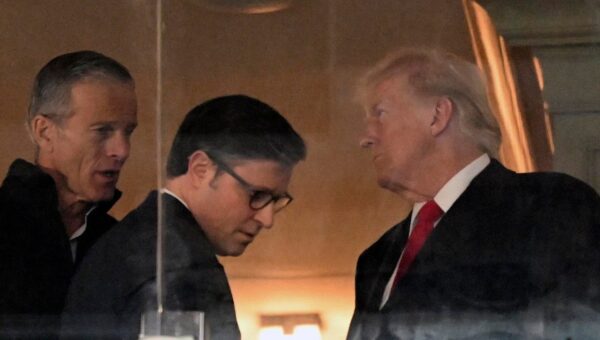
MAGA’s Playbook: How Democrats Can Unite and Conquer
Charles Duhigg analyzes the MAGA movement's organizational prowess, suggesting Democrats can learn from its 'big tent' approach and volunteer empowerment strategies. The piece contrasts mobilizing with organizing and explores the crucial balance between ideological purity and coalition-building for electoral success.
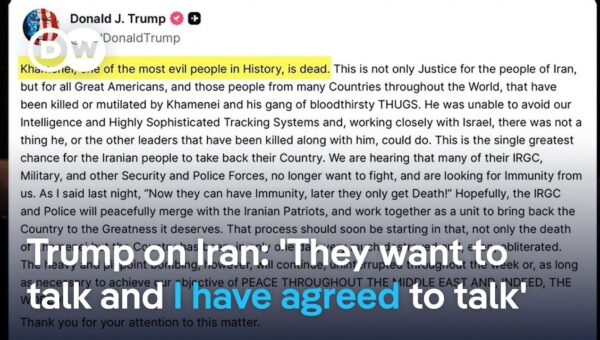
Trump Agrees to Talks with Iran After Major Strikes
President Donald Trump has agreed to talks with Iran's leadership following coordinated strikes that reportedly killed key figures, including the Supreme Leader. While Trump claims significant military successes, U.S. strategy remains unclear, and public opinion shows limited support for the actions amid rising American casualties.

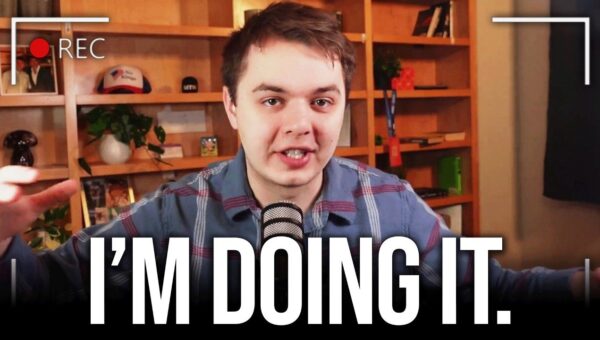
Progressive Voices Demand More Aggressive Democratic Strategy
Progressive influencer Adam Mockler criticizes the Democratic Party's cautious approach, urging for more aggressive tactics and a stronger stance against Republican norm violations. He highlights concerns over special interests, corporate influence, and the need for greater transparency within the party.