Democrats Block DHS Funding, Sparking Airport Chaos and ICE Debate
A DHS funding standoff has led to airport chaos, with Democrats imposing strict limits on ICE as a condition for funding. Critics argue these demands hinder essential enforcement and are politically motivated. The debate highlights concerns over border security and public safety.

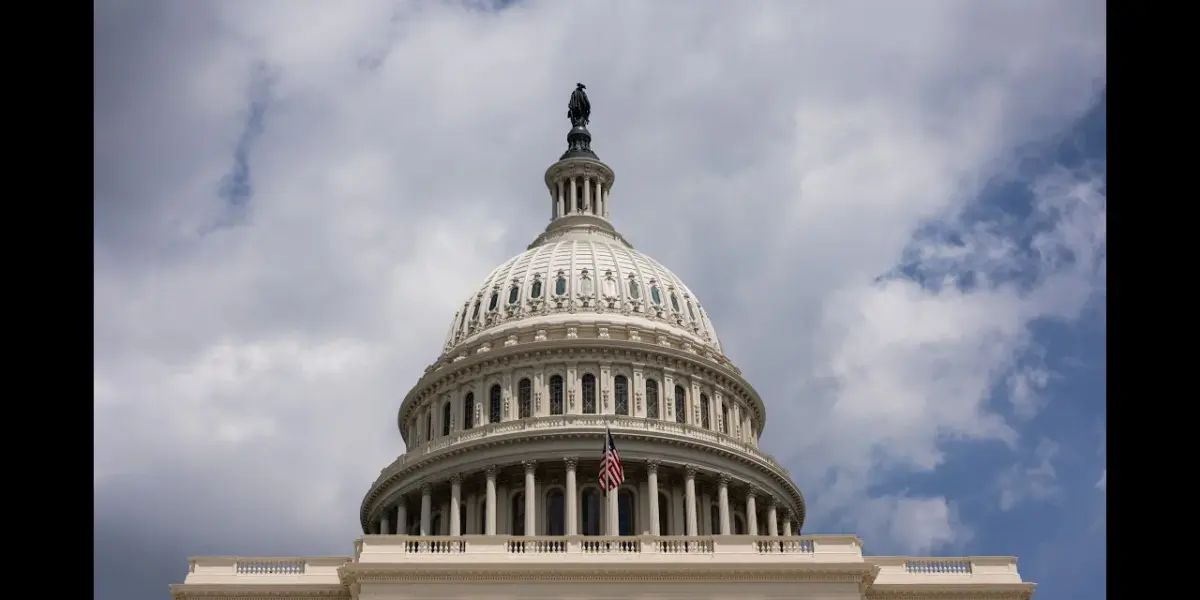
Democrats Block DHS Funding, Sparking Airport Chaos and ICE Debate
The ongoing shutdown of the Department of Homeland Security (DHS) has created significant disruptions, particularly at airports. Travelers facing lengthy delays are urging Congress to find a solution. At the heart of the dispute are demands from Democrats that would place major restrictions on Immigration and Customs Enforcement (ICE) operations. These demands are being presented as a condition for approving DHS funding, leading to a political standoff.
Democratic Demands and ICE Restrictions
Democrats have put forward several proposals that would significantly alter how ICE operates. These include requiring judicial warrants for enforcement actions, banning officers from wearing masks while on duty, and restricting enforcement activities near sensitive locations like schools, churches, and courthouses. These proposed changes aim to limit the scope and methods of immigration enforcement.
“It is ridiculous to link people flying back and forth on business and now spring break with funding for immigration enforcement. It’s just a political ploy that is angering Americans of all political persuasions.”
Critics argue that linking essential DHS funding to these stringent ICE restrictions is a political tactic. They believe it unfairly targets immigration enforcement and causes frustration among the public, regardless of political affiliation. Some suggest that the core of the Democratic position is a desire to halt immigration enforcement altogether. While some on the far left openly state this, others may avoid directly discussing deportation policies, using these demands as a way to incrementally achieve their goals.
Concerns Over Border Security and Future Voting
A significant concern raised is that these demands are part of a larger strategy. The argument is that by allowing millions of undocumented immigrants into the country under the current administration, Democrats aim to increase their political base. The idea is that these individuals, eventually granted the right to vote and receive public benefits, would become reliable constituents and voters for the Democratic party.
Specific Proposals Under Scrutiny
Several specific Democratic proposals are drawing criticism. While accepting body cameras might be manageable, the demand for ICE agents to remove masks is seen as unreasonable. Agents face significant threats and abuse, and masks can offer a degree of protection and anonymity. This is especially true given the hostile environment they sometimes encounter.
Another point of contention is the proposed restriction on enforcement activities near public places. Creating wide buffer zones around schools, churches, and hospitals could effectively cover large areas of major cities. This raises questions about how law enforcement would operate in such circumstances. The analogy is made to laws in other countries that restrict activities near healthcare facilities, suggesting an overreach in protecting certain areas from legitimate law enforcement actions.
The principle of lawful enforcement is also highlighted. Just as criminals cannot evade arrest by fleeing into protected areas like churches or schools, it is argued that individuals subject to immigration laws should not be able to escape enforcement by seeking refuge in similar locations. These restrictions, critics contend, would make it extremely difficult for ICE to perform its duties effectively.
Sanctuary Cities and Evasion of Justice
The issue of sanctuary cities, where local law enforcement may limit cooperation with federal immigration authorities, is also brought into the discussion. President Trump has pointed to cases where alleged undocumented immigrants, sometimes with criminal records, have been released back into communities. The fear is that requiring judicial warrants for immigration enforcement could make it even easier for individuals to evade ICE.
The current system, it is argued, already faces challenges with activist judges intervening in immigration cases. If every enforcement action requires a judicial warrant, the process could become bogged down, making immigration enforcement nearly impossible. This could lead to a situation where cases must go all the way to the Supreme Court to be resolved, paralyzing the system.
ICE Deployment and Airport Operations
In response to severe travel delays, the President has deployed ICE agents to assist at airports. While this helps alleviate immediate problems, it raises questions about whether these deployments divert resources from ICE’s primary mission of immigration enforcement elsewhere. However, supporters argue that federal agents like those in ICE possess valuable skills that can be applied in such situations, including assisting in emergencies, as one agent recently did by saving a choking child.
The presence of law enforcement could also deter disruptive behavior that sometimes occurs during long airport delays. The argument is that having trained officers on site might prevent the kind of chaotic scenes that have been witnessed at some airports.
Tragic Cases and Public Safety Concerns
The discussion also touches upon tragic incidents, such as the killing of Sheridan Gorman in Chicago, allegedly by an undocumented immigrant from Venezuela who had been released after an arrest. These cases are used to highlight concerns about public safety and the potential consequences of inadequate vetting and enforcement. The argument is that individuals with potential criminal histories are entering the country and, in some cases, re-offending after being released within the United States.
The lack of thorough vetting at the border and the subsequent release of individuals who may have criminal backgrounds are seen as contributing factors to these tragedies. The criticism extends to local prosecutors in some cities who are perceived as not prosecuting cases vigorously, leading to a cycle of arrests and releases. This, in turn, fuels fears that similar incidents are likely to occur again if enforcement policies are not strengthened.
Looking Ahead
The current DHS shutdown and the intense debate over ICE’s role underscore a deep division in immigration policy. The demands from Democrats, aiming to significantly curtail ICE’s powers, are met with strong opposition from those who believe in robust immigration enforcement. The impact on airport operations and public safety concerns, fueled by high-profile tragic events, will likely continue to shape this critical national discussion.
Source: DHS Shutdown Standoff: Analyst on ICE Limits, Airport Chaos, and Next Steps (YouTube)

Related Articles

House Rejects Senate Bill, Citing Border Security Funding Gaps
House Republicans are rejecting a Senate funding bill, arguing it lacks essential appropriations for ICE and CBP, threatening anti-trafficking efforts and border security. They plan to pass a short-term measure to force renewed negotiations.

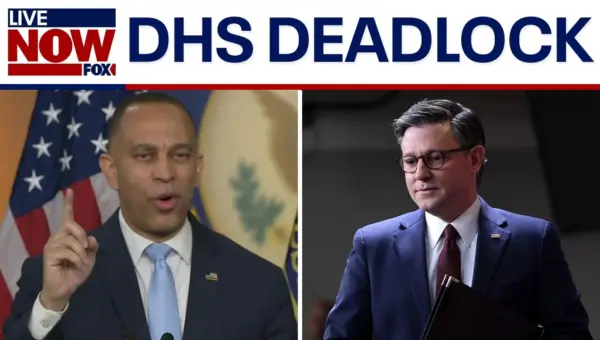
Democrats Demand End to DHS Shutdown, Pass Bipartisan Bill
Democrats are demanding an immediate end to the Department of Homeland Security (DHS) shutdown, urging House Republicans to pass a bipartisan Senate bill. The legislation aims to fund essential services, pay TSA agents, and end airport chaos. Democrats criticize Republicans for obstructing the bill to push ideological agendas and reform ICE.

DHS Shutdown Deepens as Speaker Johnson Rejects Senate Deal
The partial government shutdown continues as House Speaker Mike Johnson rejected a bipartisan Senate deal to fund the Department of Homeland Security. Instead, the House will vote on a separate measure, a move Democrats call "dead on arrival." President Trump has used an executive order to unilaterally fund TSA workers, offering some relief amid widespread airport disruptions and financial hardship for federal employees.