Democrats Accused of Hostage-Taking Over DHS Funding
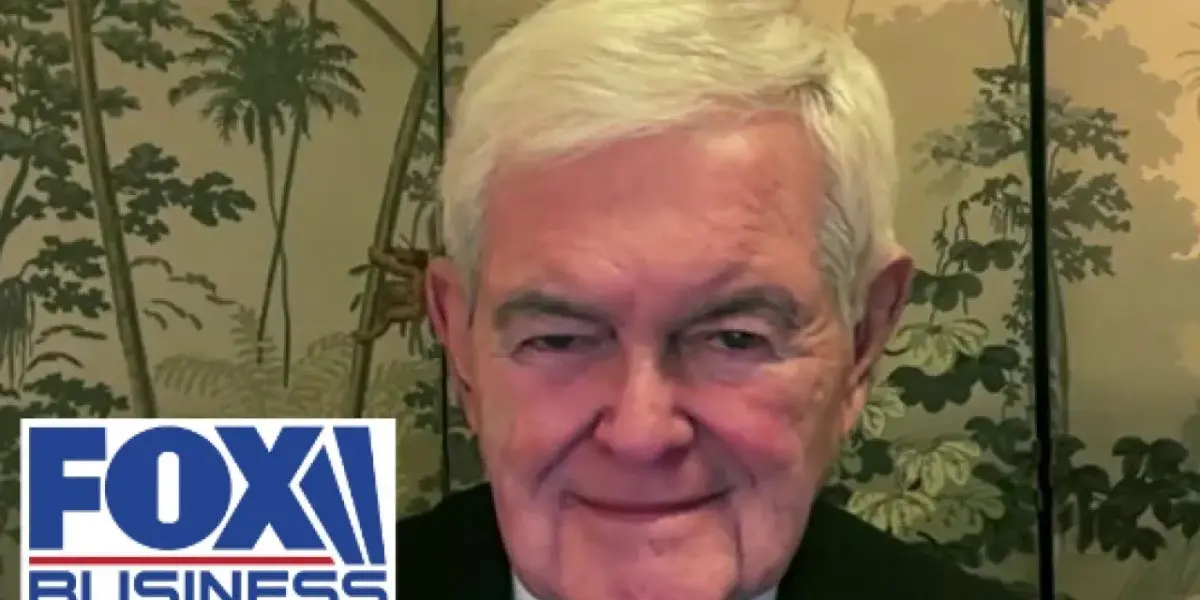
Newt Gingrich criticizes Democratic senators for allegedly blocking DHS funding, framing it as "hostage-taking." The debate extends to the perceived threat of Iran's nuclear program, which Gingrich argues the public views as a greater concern than short-term economic costs.

Democrats Accused of Hostage-Taking Over DHS Funding
A contentious political battle is brewing over the funding of the Department of Homeland Security (DHS), with critics alleging that key Democratic senators are deliberately obstructing essential funding for national security and critical infrastructure. The debate, centered on appropriations for DHS, including the Transportation Security Administration (TSA), has drawn sharp criticism for its potential impact on public safety and the economy, particularly concerning major transportation hubs.
Allegations of Political Maneuvering
Former Speaker of the House and Fox News contributor Newt Gingrich has been vocal in his criticism, specifically pointing to two Democratic senators from Georgia. He argues that these senators are voting against funding for DHS and the TSA, which he contends directly impacts the nation’s busiest airport, Hartsfield-Jackson Atlanta International Airport (ATL), and major airlines operating out of it. Gingrich asserts that this stance is politically motivated and detrimental to their constituents and the nation at large.
“You would think a couple of Democratic senators in the great state of Georgia would want to help out the nation’s biggest, busiest airport and would want to help out one of the nation’s biggest airlines, but those two senators keep voting against funding DHS, the TSA, and they are in favor of Spring Break vacation. This is not what I call good messaging.”
The focus of Gingrich’s critique includes Senator Jon Ossoff, a junior senator from Georgia who is reportedly up for re-election. Gingrich questions the effectiveness of the Republican party’s messaging strategy in highlighting these votes, suggesting that the Republican political apparatus is not as agile or effective in utilizing social media and driving home critical arguments as their Democratic counterparts.
The Iran Nuclear Threat: A High-Stakes Debate
Beyond the immediate issue of DHS funding, the conversation pivots to a broader geopolitical concern: Iran’s nuclear ambitions. Gingrich argues that the public is increasingly willing to accept higher costs, such as elevated gasoline prices, in exchange for mitigating the threat of nuclear terrorism from Iran. He cites polls suggesting that concerns about Iran’s nuclear capabilities, which the State Department has identified as a leading organizer of state terrorism since 1984, outweigh short-term economic discomforts for many Americans.
The argument is that Iran, a nation that has been in conflict with the United States since 1979 and frequently chants “Death to America,” poses an existential threat. The potential for Iran to develop nuclear weapons capable of destroying major U.S. cities like Cincinnati, New York, Chicago, or Atlanta is presented as a far more significant concern than fluctuating fuel prices.
“What is it worth to you to not have an Iranian nuclear city? To could be facing literally with your city being destroyed. This is not fear-mongering. The Iranian dictatorship has been at war with the United States since 1979… What is it worth to you to have a president with the courage to stand up and do what’s right versus all of these talking heads on television who don’t want to face the cost of their policy ideas? The cost is Iran that could eliminate Cincinnati or New York or Chicago or Atlanta.”
Messaging and Political Strategy
The discussion also touches on the effectiveness of political communication. Gingrich draws a parallel to former President Donald Trump’s communication style, particularly his State of the Union address, which he describes as a “master class in mitigating effectively.” He suggests that Republican candidates and strategists should study Trump’s methods for delivering strong, clear messages that resonate with the public.
The core message Gingrich advocates for Republicans to convey is that Democrats are holding the country hostage for political gain. He contends that the fight over DHS funding is a “phony fight” because, according to his assertions, Immigration and Customs Enforcement (ICE) is already funded through 2029. This framing suggests that the Democratic opposition to current funding measures is disingenuous and weakens national security at a critical juncture.
He further argues that by voting against essential security funding, Democratic senators are prioritizing partisan agendas and left-wing radical values over the interests of their constituents and the operational integrity of vital services like the TSA. The implication is that this political stance could alienate voters, especially those who rely on or are impacted by the services provided by DHS and its agencies.
Market Impact and Investor Considerations
While the transcript does not delve into specific market movements or asset performance, the underlying political rhetoric highlights potential areas of investor concern. The debate over DHS funding and national security can influence investor sentiment regarding government stability and the allocation of public resources. Disruptions to major transportation infrastructure, even if hypothetical, could have ripple effects on industries reliant on efficient logistics and travel, such as airlines, e-commerce, and tourism.
The emphasis on the Iran nuclear threat also brings geopolitical risk into focus. Escalating tensions or perceived inaction on such threats can lead to increased volatility in energy markets, defense sector stocks, and broader equity indices. Investors often react to perceived increases in global instability by seeking more defensive assets.
Furthermore, the discussion on political messaging and party effectiveness could signal shifts in voter priorities and potential policy changes following future elections. Understanding which issues are resonating with the electorate, such as national security versus economic concerns, can inform long-term investment strategies. The debate suggests a potential public willingness to prioritize security and geopolitical stability, even at a short-term economic cost, which could influence government spending priorities and regulatory environments in the future.
What Investors Should Know
- Geopolitical Risk: The ongoing tensions with Iran and its nuclear program represent a significant geopolitical risk factor that could impact global markets, particularly energy prices and defense stocks.
- Government Funding Debates: Disputes over essential government funding, such as for DHS, can create uncertainty and volatility, affecting investor confidence and potentially disrupting critical infrastructure operations.
- Economic Priorities: The public’s willingness to prioritize national security or geopolitical stability over immediate economic concerns, such as fuel prices, could shape future policy decisions and market trends.
- Political Messaging: The effectiveness of political parties in communicating their platforms and engaging voters on key issues can influence election outcomes and subsequent economic policies.
Source: Newt Gingrich: Democrats are holding the country hostage (YouTube)

Related Articles
House Republicans Reject Senate Deal, Sparking Government Funding Clash
House Republicans have rejected a Senate bill to end the government shutdown, citing insufficient border security measures. Congressman Randy Fine called the Senate deal a "disgrace" and highlighted the ongoing fight for full government funding. President Trump's executive order to pay TSA agents offers temporary relief, but the core disagreement over border security continues to paralyze Washington.
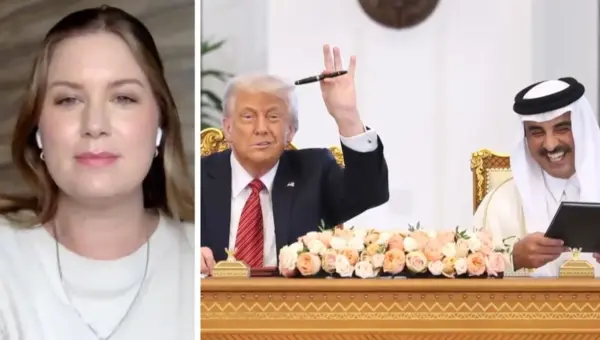
Gulf States Demand Seat at Table on Iran’s Nuclear Future
Gulf states are demanding a seat at the table for any U.S.-Iran talks regarding Iran's nuclear future. This move reflects a growing assertiveness and a desire to shape regional security directly. It signals a potential shift towards more inclusive diplomatic efforts in the Middle East.
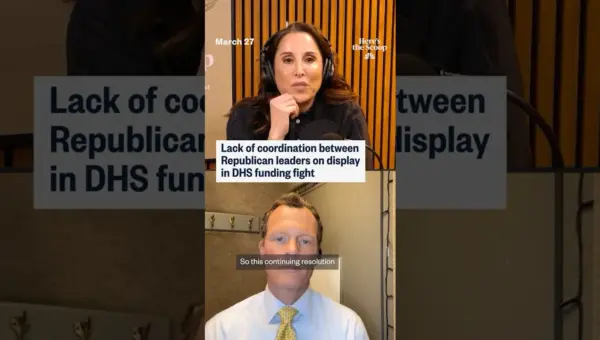
GOP Leaders Clash Over DHS Funding, Exposing Deep Divisions
Republican leaders are struggling to find common ground on Department of Homeland Security funding, exposing deep divisions within the party. A proposed House resolution faces an uphill battle due to Senate recess and internal GOP dissent. Speaker Mike Johnson appears to be prioritizing appeasing a conservative faction over seeking broader bipartisan support.