Democrat David Boies Urges Bipartisan Iran Stance
Prominent Democrat David Boies argues in The Wall Street Journal that partisan opposition to President Trump's Iran policy is "dangerous for America." He urges for national security to transcend political divides, calling for bipartisan support based on the merits of the threat. The op-ed's stance is highlighted amid polling data suggesting majority public support for military action against Iran.

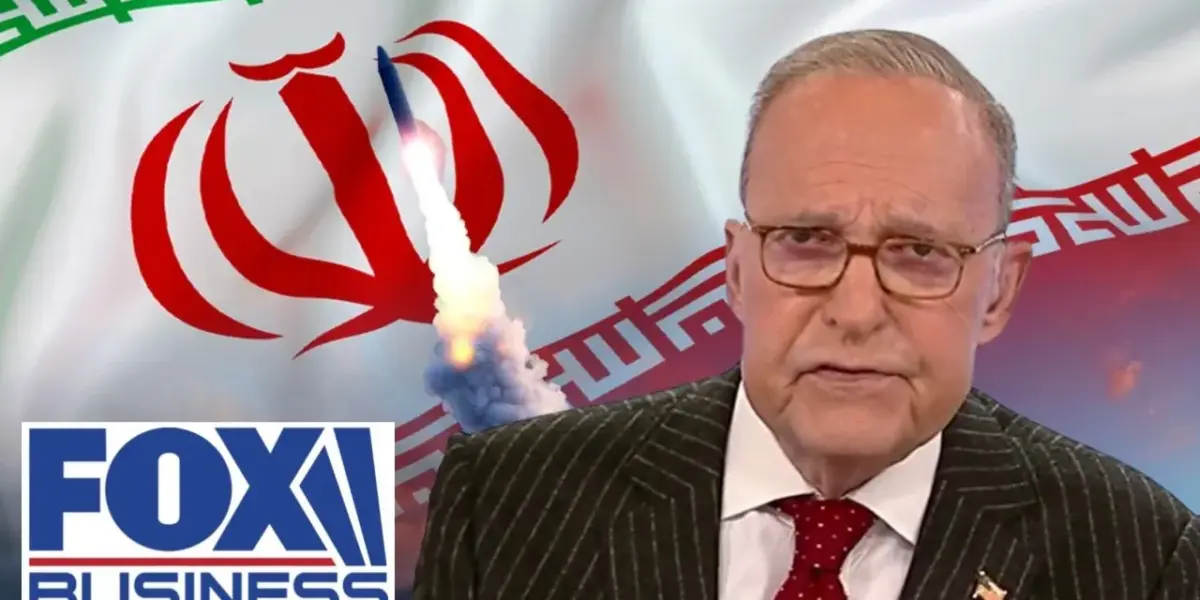
Boies Op-Ed Calls Partisanship on Iran ‘Dangerous for America’
In a striking departure from typical partisan divides, prominent Democratic defense lawyer David Boies has penned a forceful op-ed in The Wall Street Journal, arguing that political opposition to President Trump’s actions against Iran is “dangerous for America.” Boies, a figure not known for his support of the current administration, contends that the national security threat posed by Iran transcends political affiliation and demands a unified, merit-based evaluation of U.S. policy.
The op-ed, lauded by commentator Larry Kudlow as potentially the best of the year, directly addresses the historical inaction by past U.S. presidents, both Republican and Democratic, in confronting Iran’s nuclear ambitions and its support for terrorism. Boies meticulously details how every president since Bill Clinton has declared Iran must not develop nuclear weapons, yet none took decisive action to prevent it. Similarly, every president since Ronald Reagan has condemned Iran’s role in sponsoring terrorism, but again, no administration acted to halt these activities.
“Instead, each president left his successor with a more dangerous Iran and a more complicated threat to address,” Boies writes, highlighting a pattern of escalating threats that culminated in the current administration’s military campaign.
Trump’s Actions on Iran: A Necessary Intervention?
According to Boies, President Trump’s decision to initiate military action was a direct response to Iran’s refusal to halt its nuclear weapons program and evidence of its rapid advancement in the sophistication and range of its weaponry. Boies posits that had Trump not acted, his successor would have faced an even graver decision, inheriting a more perilous situation than any of his predecessors.
Boies acknowledges the “hostility to Mr. Trump’s actions” but draws a clear distinction between opposition rooted in policy disagreements and that which is “rooted simply toward Mr. Trump himself.” He argues that historically, Republicans have supported military actions undertaken by Democratic presidents, citing support for Bill Clinton and Barack Obama, and Democrats have backed Republican actions, such as George W. Bush’s interventions in Afghanistan and Iraq.
“Those of us that generally oppose Mr. Trump but who recognize the threat Iran poses need to support the military action not because we owe anything to Mr. Trump but because we owe it to ourselves, our country, and our children,” Boies asserts.
National Security Above Partisanship
The core of Boies’s argument is that America’s national security interests are too critical to be held hostage by partisan politics. He urges those who generally oppose Trump to set aside their political animosity when it comes to Iran, emphasizing that there is “plenty to disagree with him about” and that one does not need to “like him or admire him.” However, on the specific issue of Iran, Boies believes there should be “common ground.” He concludes that supporting the president on this issue is “the right thing to do for our country, our children, and the Democrat who will succeed Mr. Trump as president.”
Public Opinion and Political Ramifications
Larry Kudlow suggests that Boies’s op-ed could serve as a wake-up call for Democrats, warning that opposition to the Iran policy could be a significant political misstep, particularly in an election year. He cites a McLaughlin poll indicating that a majority of voters back military action against Iran to stop its nuclear threat and terrorist activities. The poll reportedly shows 57% of likely voters supporting military action, with even undecided voters favoring it by a margin of 51-29%. Independent voters reportedly support the action 46-40, and Hispanic voters by a significant 56-33 margin. Among women, the margin is reported as 47-38.
Kudlow criticizes what he perceives as a disconnect between this public sentiment and the coverage in some media outlets, which he claims are misrepresenting the situation and the public’s stance. He predicts that a successful conclusion to the Iran policy could become a “sleeper issue” in the upcoming elections, potentially benefiting the current administration and penalizing Democrats who oppose it.
Looking Ahead
David Boies’s call for bipartisan unity on Iran policy presents a significant challenge to the entrenched political divisions surrounding foreign policy. As the situation in Iran continues to evolve, the extent to which political leaders and the public heed Boies’s plea for a unified national security approach remains to be seen. The upcoming elections will likely be a key indicator of whether this contentious issue can indeed become common ground, or if partisan politics will continue to dictate the response to the Iranian threat.
Source: Larry Kudlow: Partisanship on Iran is DANGEROUS for America (YouTube)

Related Articles
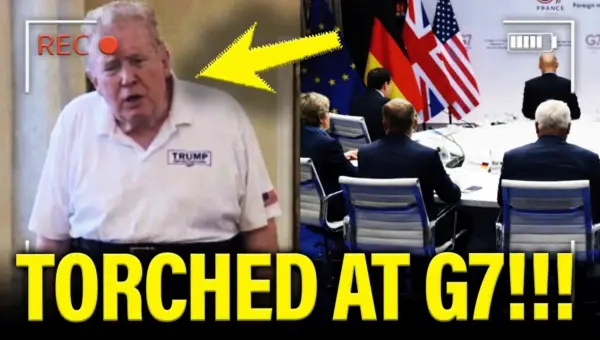
G7 Leaders Clash Over Trump’s Iran Policy Amidst Global Crisis
World leaders at a G7 meeting voiced sharp criticism of Donald Trump's Iran policy, citing concerns over the Strait of Hormuz and a looming global recession. Disagreements emerged regarding strategy and accusations of misinformation, highlighting deep divisions.
Trump’s Oil Market Influence Wanes Amidst Global Instability
Former President Donald Trump's attempts to influence oil markets have reportedly failed, raising concerns about his diminishing credibility. Analysts compare his approach to "the boy who cried wolf," suggesting a loss of trust among market participants. The discussion also touched upon the use of personal devices for government communication and the vetting of political candidates amidst controversial remarks.
Trump’s War Talk Distracts as World Burns
As global conflicts escalate and economic pressures mount, Donald Trump's focus on past grievances and symbolic wins overshadows pressing issues. His rhetoric, including questionable claims about ending wars and strategic use of terminology to bypass Congress, raises concerns about leadership and national priorities.