Dem Lawmaker Slams ‘Cover-Up’ in Closed-Door Epstein Files Testimony
A House Democrat has accused the current administration of a cover-up in the Jeffrey Epstein case, criticizing the decision for a closed-door deposition with Pam Bondi. The lawmaker argues this move aims to hide information following a previous problematic public hearing. Concerns are also raised about past alleged perjury and controlling the narrative around sensitive investigations.

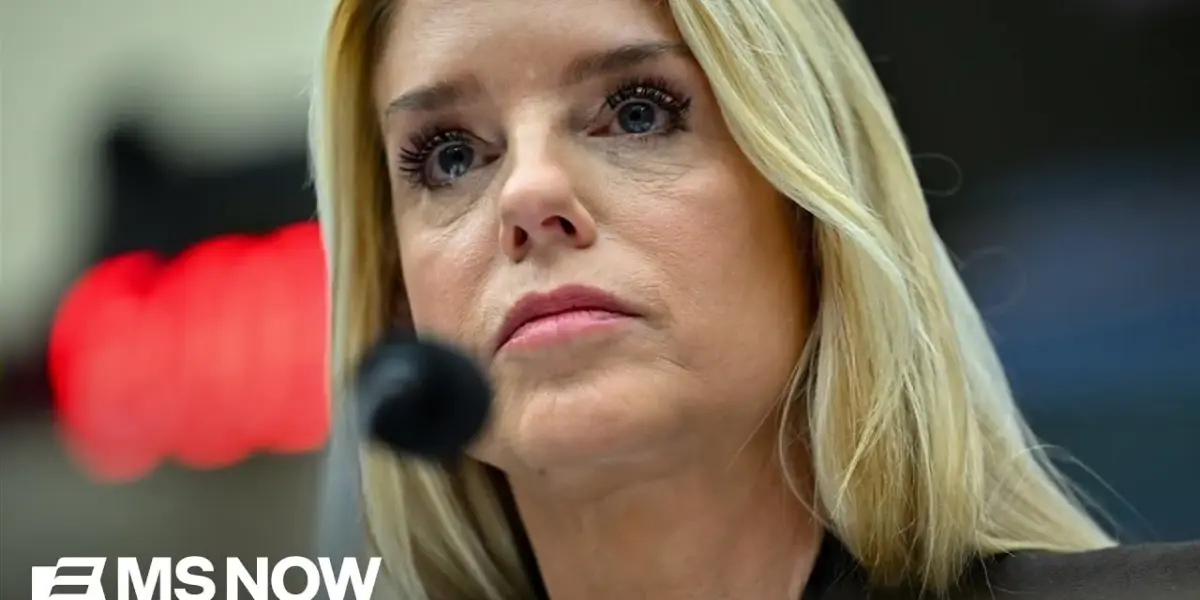
House Democrat Accuses Administration of Hiding Truth in Epstein Case
A prominent House Democrat has accused the current administration of attempting a cover-up regarding testimony related to the Jeffrey Epstein files. The lawmaker specifically criticized the decision to hold a closed-door deposition with Pam Bondi, a key figure in the handling of documents connected to Epstein’s sex trafficking network. This move, the Democrat argues, is an effort to shield the truth from the public eye, especially after a previous public hearing involving Bondi was seen as a significant setback for Republicans.
Questions Surround Handling of Epstein Documents
The controversy stems from the way information related to Epstein’s activities has been managed. The lawmaker recounted a timeline of events, suggesting inconsistencies and a lack of transparency. Initially, binders of information were reportedly shared with influencers, followed by claims of a list being on a desk, then no list, and even questions about the existence of the desk itself. Republicans were allegedly advised against supporting a bill related to the files, with suggestions that doing so would be viewed as an act against the White House.
Further complicating matters, Republican members were reportedly brought into the Situation Room – a high-level security area typically used for national security discussions – and faced both promises of benefits for their districts and threats. Pam Bondi was present during these meetings. The Democrat emphasized that this process contradicts claims of running the most transparent administration in American history, suggesting a deliberate attempt to suppress information.
Closed-Door Deposition Sparks Outrage
The decision to conduct Bondi’s deposition behind closed doors, without cameras, is a major point of contention. The lawmaker questioned the strategy, noting that past closed-door sessions were often intended to gather initial information. However, they believe the current approach is simply a tactic to hide information, especially given Bondi’s previous public testimony, which was described as a “dereliction” and a “burn book” filled with accusations rather than substantive answers.
“They’re hiding right now. And so, but then what happens? Because if she goes in and plays the same game in private that she has played in public where it becomes, you know, her burn book, her reading off accusations about anyone who deigns to ask her a question, well, that’s not really probative.”
The closed-door strategy is seen as a direct response to the “debacle” of a previous public hearing that did not go well for the Republicans. The lawmaker suggested that the administration is trying to avoid a repeat of that situation, where Bondi’s testimony was perceived as unhelpful or damaging to their cause.
Legal Jeopardy and Past Testimony
The discussion also touched upon the legal implications for those testifying. While Pam Bondi will be under oath, just as she would be in a public hearing, the lawmaker noted that past testimonies have already raised concerns. Kash Patel, for instance, is mentioned as having allegedly lied to Congress about the number of times Donald Trump’s name appeared in the Epstein files and the extent of Epstein’s trafficking operations. Kristi Noem is also mentioned as potentially perjuring herself during a recent hearing.
The legal jeopardy for Bondi in a deposition is the same as in a public hearing: she will be under oath and subject to penalties for perjury if she lies. However, the closed-door setting allows Republicans to control the narrative by briefing the media afterward, framing the events before the public can see the actual transcript or video. This tactic aims to shape public perception without direct, unfiltered exposure.
Economic Concerns and Political Strategy
Beyond the Epstein case, the conversation veered into economic issues, with the lawmaker criticizing comments made by Kevin Hassett, who downplayed the potential disruption of a prolonged war with Iran on the U.S. economy. Hassett suggested that consumers would be hurt, but that this was a secondary concern. The Democrat strongly disagreed, pointing out that consumers are central to the U.S. economy.
The lawmaker highlighted current economic pressures, such as increased gas prices (up 70 cents per gallon) and rising airline ticket costs (up 30 percent) due to fuel prices. They also noted that food costs are expected to rise due to transportation expenses. This is contrasted with a previous administration stance that downplayed affordability concerns, suggesting a disconnect between official narratives and the financial realities faced by Americans.
Looking Ahead: Transparency and Accountability
The core issue remains the demand for transparency and accountability in the Epstein investigation. The lawmaker urged Democratic members to be aggressive in questioning Bondi during the deposition, moving beyond cordial exchanges to demand clear answers about discrepancies in her past statements and actions. The goal is to uncover why certain information was withheld and why timelines for disclosure have shifted. The effectiveness of this strategy will depend on whether Democrats can elicit truthful and comprehensive responses, and whether the public will eventually have access to the full details of the deposition.
Source: ‘They’re hiding her’: House Dem slams closed-door Bondi testimony on Epstein files (YouTube)

Related Articles

Bondi’s Citizenship Claim Stirs Debate on American Identity
Pam Bondi's assertion that U.S. citizenship is a "privilege, not a right" has ignited a significant debate, challenging the established understanding of the 14th Amendment. This statement reflects broader concerns about who defines American identity and raises questions about the direction of national values and governance.

Idaho Protects Victims’ Dignity, Sparks National Debate
Idaho has enacted a new law to shield victims' families from graphic crime scene photos, prioritizing dignity over public access. This move, driven by personal tragedy and advocacy, aims to prevent re-traumatization and is sparking calls for similar protections nationwide.


NJ Cops Can’t Hide Faces: New Mask Ban Sparks Debate
New Jersey has banned law enforcement officers, including ICE agents, from wearing masks on duty. The new law also requires officers to show ID before arrests. This move aims to boost transparency but raises safety concerns for officers and sparks debate with federal agencies.