Delta Taps Amazon’s LEO for In-Flight Wi-Fi Boost
Delta Air Lines is partnering with Amazon to equip 500 planes with Amazon's new low Earth orbit (LEO) satellite internet by 2028. This deal aims to significantly boost in-flight Wi-Fi speeds and reliability for passengers. The partnership signals a major move in the growing satellite internet market.

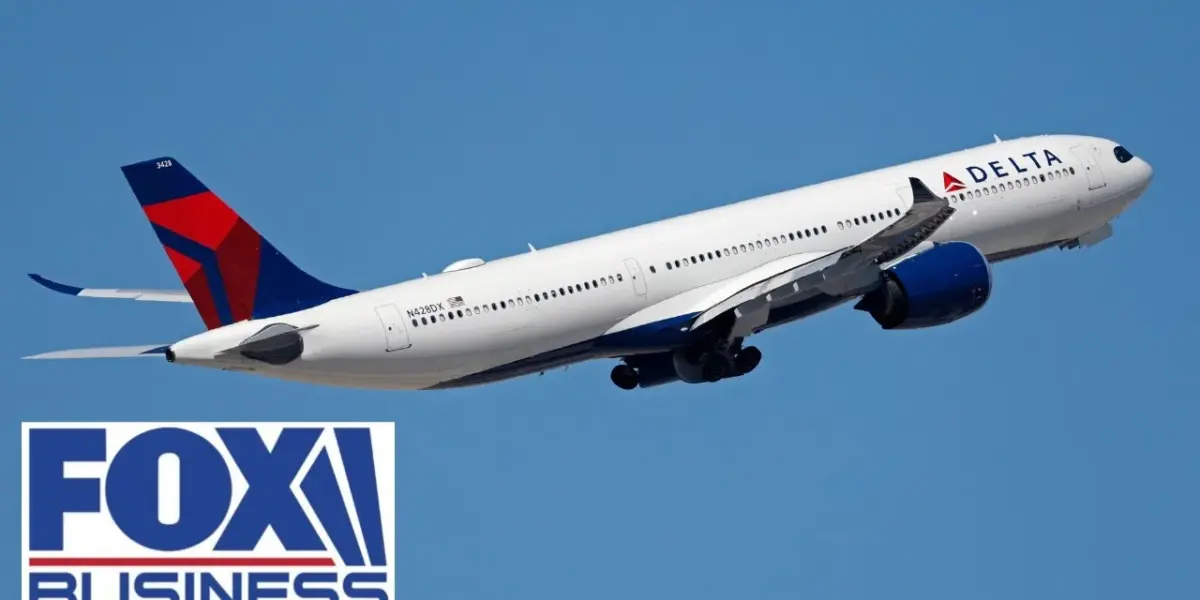
Delta Taps Amazon’s LEO for In-Flight Wi-Fi Boost
Delta Air Lines is partnering with Amazon to upgrade its in-flight Wi-Fi service, a move that could significantly improve the passenger experience. The airline will use Amazon’s low Earth orbit (LEO) satellite network, called Amazon LEO, to provide faster and more reliable internet access to travelers.
This partnership aims to bring a new era of in-flight entertainment and connectivity. Amazon’s LEO network is designed to offer better performance than current satellite internet options. It uses advanced technology, including smaller, more powerful antennas and specific radio frequencies, to deliver faster upload and download speeds.
Amazon LEO: A New Challenger in Satellite Internet
Amazon LEO is Amazon’s answer to other LEO satellite internet services, such as Elon Musk’s Starlink. Amazon is investing heavily in this venture, with plans to deploy thousands of satellites. The company has already spent $10 billion on LEO and is committed to billions more. This significant investment highlights Amazon’s long-term vision for its satellite network.
Amazon has been developing its LEO technology for seven years. The company has a dedicated facility where its satellites are manufactured and tested. These satellites are built to withstand the extreme conditions of space, traveling at speeds of up to 17,000 miles per hour. Amazon sees this as an opportunity to not only enhance customer experiences but also build a successful business.
Delta’s Commitment to In-Flight Connectivity
Delta has been a leader in offering free, fast Wi-Fi to its passengers. The airline currently provides this service on 1,200 planes, more than many other airlines combined. However, Delta recognizes that current Wi-Fi technology still has room for improvement. The airline is looking for a stable, high-performance solution to keep pace with rapidly advancing technology.
The partnership with Amazon LEO comes as Delta reaches a decision point regarding its future Wi-Fi strategy. The airline has used multiple providers in the past, including Hughes and Viasat. This new deal with Amazon is seen as a natural fit, building on an existing relationship between the two companies, as Delta is a major travel partner for Amazon employees.
Enhanced Passenger Experience
The new Wi-Fi service is expected to offer a substantial improvement for Delta customers. Passengers could experience upload speeds six to eight times better than what is currently available. This means uploading photos from a trip or conducting work while in the air will be much smoother. Andy Jassy, CEO of Amazon, emphasized that the goal is to provide a better experience than any competitor can offer.
While the exact financial value of the deal was not disclosed, it is expected to be cost-effective for Delta. The airline stated that the cost will be less than what they are currently paying for Wi-Fi services. This could potentially lead to Delta passing on savings to customers, though they have not made specific promises.
Competitive Landscape
The satellite internet market is becoming increasingly competitive. Starlink, operated by SpaceX, is also actively partnering with airlines, reportedly having deals with around 21 carriers. Despite Starlink’s head start and existing satellite deployment, Amazon believes its LEO network will offer a superior experience.
Amazon is comfortable with competition, drawing parallels to its cloud computing business, Amazon Web Services (AWS). AWS competes with other cloud providers, yet has achieved significant success. Amazon plans to use various rocket providers, including SpaceX, to launch its satellites, indicating a pragmatic approach to securing launch capacity.
Rollout and Future Implications
The implementation of Amazon LEO Wi-Fi will begin with 500 Delta planes in 2028, with plans to expand from there. Delta will assess the performance of the initial rollout before committing to equipping its entire fleet. This phased approach allows Delta to evaluate the technology and its impact on customer satisfaction.
The partnership also opens doors for future collaborations between Delta and Amazon. This could include exclusive content or enhanced experiences related to Amazon’s media offerings, such as movies, music, and reading. The goal is to build innovative services around the improved connectivity provided by Amazon LEO.
What Investors Should Know
The deal signifies Amazon’s aggressive expansion into the satellite internet market, competing directly with players like Starlink. For Delta, it represents a strategic move to enhance customer experience and maintain its competitive edge in the airline industry. The significant capital investment required for LEO satellite constellations highlights the long-term, high-risk, high-reward nature of this technology sector.
Investors should watch how this partnership unfolds, particularly the performance and cost-effectiveness of Amazon LEO. The success of this venture could influence future airline Wi-Fi strategies and further drive innovation in satellite communications. The competition between major tech companies and airlines in this space is expected to intensify.
Source: NEW: Delta, Amazon partner to boost in-flight Wi-Fi (YouTube)

Related Articles

AI Pilot Tech Jumps to Public Markets
Merlin Labs, an AI flight technology company, has gone public via SPAC, raising $200 million. The firm aims to automate military and eventually commercial aircraft operations from takeoff to landing. Key partnerships include contracts with the U.S. Air Force for C-130J and KC-135 aircraft.


China’s Aviation Ambitions: A Strategic Imperative
China's strategic push for advanced jet engine technology, a complex and historically Western-dominated field, is underscored by significant government investment and intelligence agency involvement in recruiting top engineering talent. This pursuit is critical for national security and aims to reduce foreign reliance.


Qatar Airways QSuite: A Game-Changer in Luxury Air Travel – London to Doha Review
Qatar Airways' QSuite redefines luxury air travel with unparalleled privacy, expansive personal space, and revolutionary free, high-speed Wi-Fi. While in-flight dining presented some inconsistencies, the overall experience on a London-Doha flight was overwhelmingly positive, transforming a long journey into a remarkably comfortable and productive experience.