Defense Secretary Faces Probe Over War Profiteering Allegations
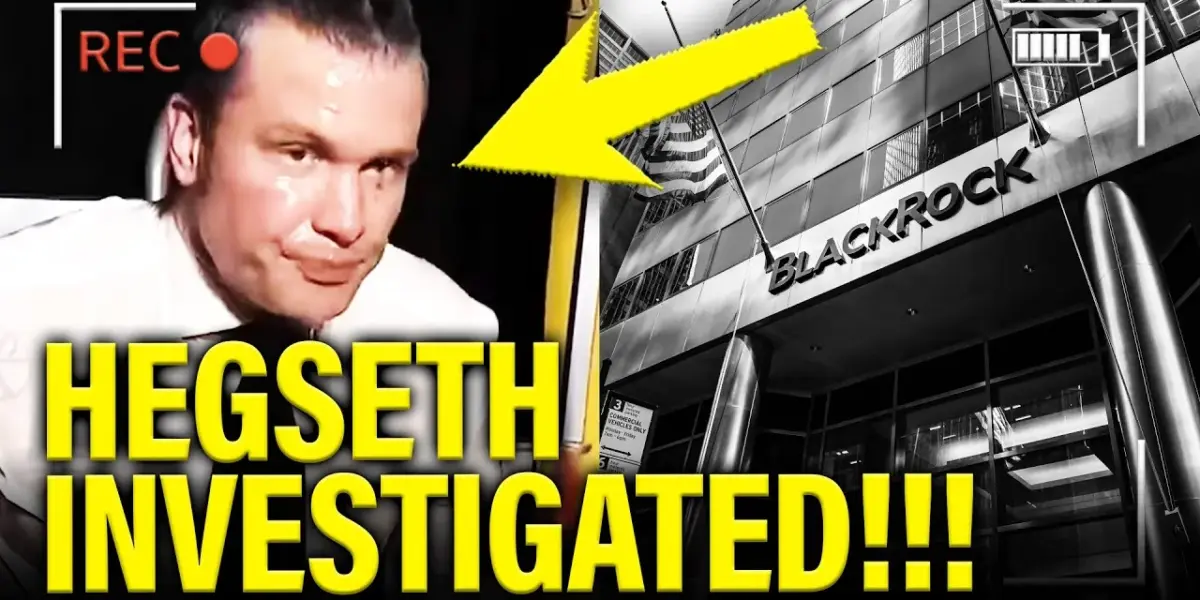
Reports suggest Defense Secretary Pete Hegseth may have tried to invest in defense stocks before a potential war, sparking probes and a new bill to ban betting on government actions. This raises concerns about insider trading and corruption.

Defense Secretary Faces Probe Over War Profiteering Allegations
Congressional Democrats are demanding answers from Pete Hegseth, a key figure in the current administration, following reports that he may have attempted to profit from potential military action. This situation has also prompted a new bill aimed at preventing insider trading on prediction markets, highlighting concerns about corruption and the exploitation of public trust.
Allegations of Improper Investment Attempts
The Financial Times reported that Hegseth’s broker at Morgan Stanley contacted the private equity firm Blackstone. The broker inquired about Hegseth investing millions of dollars into a specific defense fund. This fund reportedly held stocks in defense companies. However, Hegseth, in his role as Secretary of Defense, is bound by a code of conduct that prohibits him from investing in a list of about ten to twelve defense stocks.
These allegations raise serious questions on multiple fronts. One concern is the possibility of insider trading. Critics suggest Hegseth might have sought to invest in defense stocks knowing that a war was imminent, an action that could be seen as using non-public information for personal gain. Additionally, his actions could be viewed as a violation of his ethical code of conduct. The report also noted that Hegseth’s reported net worth, estimated between one and three million dollars, makes the amount he allegedly sought to invest – millions of dollars – questionable. Much of his wealth is reportedly tied to his wife’s assets, as he has faced significant financial obligations from past divorces, including child support and alimony.
The report did not confirm if Hegseth actually purchased any stocks through his broker. It also indicated that Morgan Stanley clients were not yet able to invest in the specific private equity fund at that time. Despite these details, the sheer scale of the alleged investment attempt and the timing have fueled the investigation.
Calls for Accountability and New Legislation
In response to these serious allegations, both House and Senate Democrats have launched independent probes. They are demanding that Hegseth provide sworn testimony to clarify the facts, rather than simply issuing denials. This move underscores the gravity with which lawmakers are treating the situation, emphasizing the need for transparency and accountability.
The Securities and Exchange Commission (SEC), established in 1934, has long-standing rules against insider trading. These regulations are designed to protect the public and ensure a fair playing field in the stock market. Historically, periods of unchecked insider trading, like the era of the “Robber Barons” in the early 1900s, led to significant wealth inequality and public distrust. This history is why robust oversight, like that provided by the SEC, is considered essential for a healthy market, especially as more Americans invest their savings through retirement accounts like 401(k)s.
The current situation is seen by critics as an attempt by some in power to exploit the investments made by ordinary Americans for personal enrichment. When trades are made based on insider information, it effectively cheats those who are trading without such advantages, potentially leading to unfair losses for the public. The goal of insider trading laws is to create an even playing field for all investors.
Prediction Markets and the “Bets Off” Act
Adding another layer to these concerns is the rise of prediction markets. These are platforms where people can bet on the outcomes of future events, including political and governmental actions. While not explicitly covered by all existing SEC regulations, using insider information on these markets could still be illegal.
To address this emerging issue, Congressional Democrats, led by Greg Casar and Chris Murphy, have introduced the “Bets Off” Act. This legislation specifically aims to ban prediction markets related to government actions, such as decisions about war and peace. The lawmakers argue that it is unacceptable for individuals to potentially profit from government decisions that impact lives and national security.
“There are clearly individuals in the White House who are making money off of when the United States goes to war or not. It’s time that we just say there’s no circumstances in which government action should be pushed one way or another based upon an individual’s desire to cash in.”
Evidence suggests that some individuals have profited significantly from prediction markets tied to geopolitical events. Reports indicate that over a dozen people made substantial amounts of money following the Iran invasion, with one anonymous account reportedly earning nearly half a million dollars. This raises the alarming possibility that individuals involved in making critical decisions about war and peace might have financial stakes in those outcomes.
The “Bets Off” Act seeks to prevent such conflicts of interest. The bill’s proponents believe that government actions should not be influenced by personal financial incentives, especially when those actions involve matters of life and death. They view the current situation as a form of corruption where the powerful and wealthy can exploit information for personal gain, while ordinary citizens are left at a disadvantage.
Broader Implications and Future Outlook
The allegations against Hegseth and the introduction of the “Bets Off” Act highlight a growing concern about corruption and ethical conduct within government. The potential for officials to use their positions to enrich themselves, either through direct stock trading or by influencing prediction markets, poses a significant threat to public trust. This issue is compounded by reports of potential limitations placed on SEC enforcement investigations involving individuals connected to the Trump administration, which has led to resignations of key oversight personnel.
Federal prosecutors are reportedly exploring ways to prosecute insider trading on prediction markets under existing laws. However, the “Bets Off” Act aims to provide clearer, more specific legal grounds to prevent such activities. The underlying sentiment is that profiting from war, political instability, or other sensitive government actions is deeply unethical and damaging to society.
The situation serves as a stark reminder of the ongoing struggle to maintain ethical standards in public service and financial markets. As more Americans participate in the stock market and new forms of betting emerge, ensuring fair practices and preventing exploitation will remain a critical challenge. The actions taken by Congress and regulatory bodies in response to these allegations will likely shape future oversight of both traditional financial markets and emerging prediction platforms.
Why This Matters
This situation is critical because it touches upon the fundamental principles of trust and fairness in both government and financial markets. When officials are suspected of attempting to profit from their positions or from sensitive information, it erodes public confidence. The potential for insider trading, whether in traditional stocks or new prediction markets, creates an uneven playing field. This disadvantages ordinary citizens who invest their hard-earned money, relying on the integrity of the system. The “Bets Off” Act and ongoing investigations are important steps in trying to ensure that government decisions are made for the public good, not for private financial gain. It underscores the need for strong ethical guidelines and robust enforcement to protect against corruption and maintain a fair economy for everyone.
Source: Hegseth Suddenly BECOMES TARGET of MAJOR INVESTIGATION (YouTube)

Related Articles
US Jet Downed Over Iran Amid Rising Costs and Military Shake-ups
A U.S. F-15E fighter jet crashed in southern Iran, sparking a search for a missing pilot and raising concerns about potential hostage situations. The incident highlights escalating costs, estimated at $1 billion daily, and growing public doubt over the conflict's objectives and transparency. Meanwhile, the U.S. military sees a leadership shake-up amidst cultural clashes and political maneuvering.
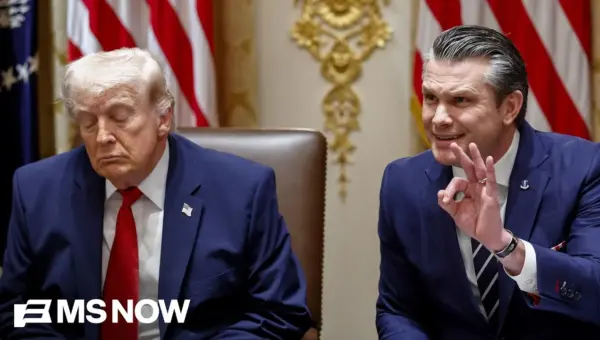
Pentagon Shake-Up: Top Army General Out Amid War Concerns
Defense Secretary Pete Hegseth has ousted Army Chief of Staff General Randy George and two other top generals in a significant Pentagon shake-up. The firings, occurring amidst ongoing military conflict and amid reports of blocked promotions, have drawn criticism and raised questions about transparency and leadership.
Pope Rebukes War Rhetoric: ‘Your Hands Are Full of Blood’
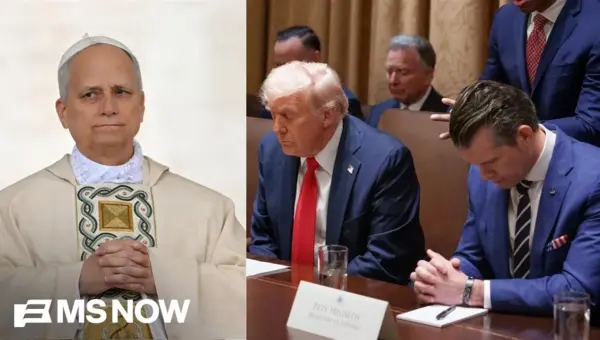
Pope Francis delivered a strong rebuke against war rhetoric, stating that prayers from those with "hands full of blood" are ignored. This message directly challenges the calls for violence from figures like Defense Secretary Pete Hegseth, highlighting a growing concern over Christian nationalist influences in U.S. policy.