Deepfake Scandal Ignites German Law Debate
A German actress's public accusation of her ex-husband creating deepfakes for a decade has exposed major legal gaps in Germany. The scandal is prompting calls for stronger laws against digital violence, with the Justice Ministry set to publish a new bill.

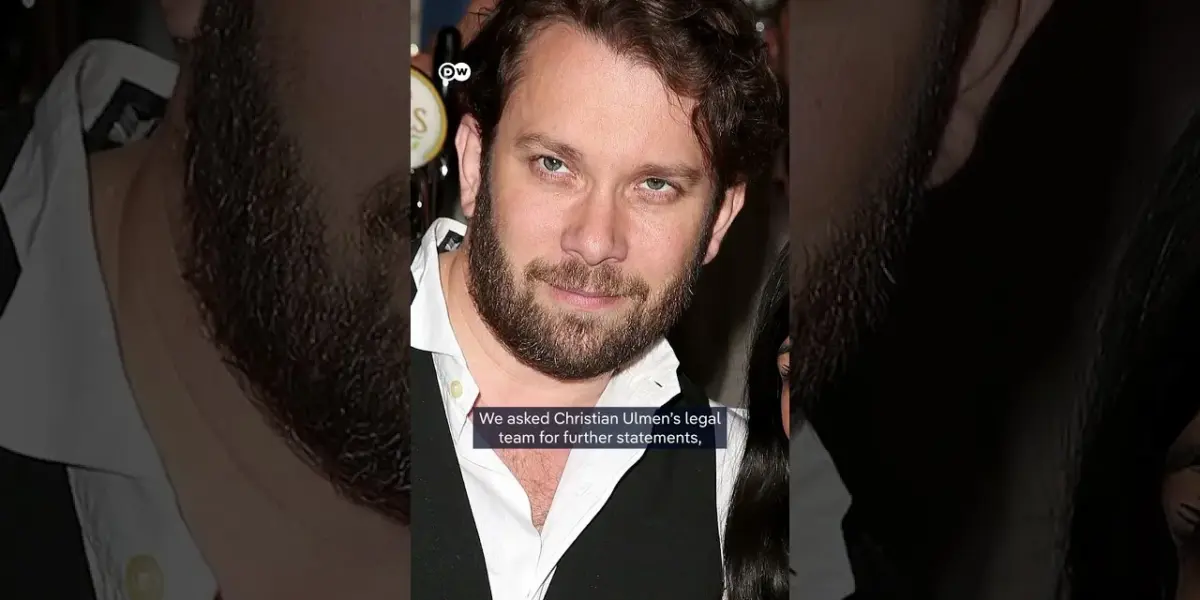
German Celebrity Deepfake Scandal Spurs Call for Stronger Laws
A high-profile deepfake scandal involving a well-known German actress is forcing Germany to confront the dark side of artificial intelligence and its potential for abuse. The case has exposed significant gaps in current German legislation, leading to urgent calls for new laws to combat digital violence.
Actress Accuses Ex-Husband of Decade-Long Deepfake Abuse
Actress Coline Fernandez, a former DW presenter, has publicly accused her ex-husband, prominent German actor and director Christian Ulmen, of running fake online accounts and distributing explicit deepfakes in her name for the past ten years. Fernandez went public with these allegations in 2025, even producing a documentary to expose the alleged perpetrator, who she claims was her own husband.
The fake accounts, reportedly active on Instagram, were used to send explicit content to men. Disturbingly, some of the individuals interacting with these accounts were allegedly from the film industry, including Fernandez’s own colleagues. This revelation highlights the deeply personal and professional violation experienced by the actress.
Legal Battles and Accusations of Domestic Abuse
In late 2025, Fernandez filed a complaint in Spain, where the couple had last resided. The allegations detailed in the Spanish complaint reportedly include identity theft, verbal abuse, threats, and physical violence within their relationship. Christian Ulmen’s legal team has denied these accusations and is reportedly taking legal action against media outlets reporting on the claims, calling them defamatory. Attempts to get further statements from Ulmen’s legal team were unsuccessful.
Legislative Gaps and Calls for Action
The case has now taken on a political dimension, with legal experts pointing out serious shortcomings in German law. Fernandez’s lawyer advised her to file the complaint in Spain rather than Germany, citing a lack of specific criminal offenses for such deepfake activities. “We see that we currently have blatant loopholes in criminal liability in the area of deepfakes,” stated Fernandez’s lawyer. “The behavior is not explicitly punishable in Germany as it is. There are individual criminal offenses, but they do not cover the core of the matter.”
Many other countries are reportedly further ahead in addressing these issues. “We have been discussing this topic for a long time, but unfortunately, nothing has been put in place yet,” the lawyer added. “I hope it will happen faster now. It is a shame that such a case was needed.”
Government Pledges Stricter Digital Violence Laws
Responding to the growing concerns, Germany’s Ministry of Justice is advocating for tougher legislation. The ministry announced that a bill aimed at improving the prosecution of digital violence will soon be published. The goal is to make it easier to identify perpetrators, who are predominantly men in such cases. “It is often not easy to identify the perpetrators, and they are mostly men behind these acts,” the ministry stated. “With the law against digital violence, this is also intended to become easier.”
Deepfakes: A Growing Threat, Primarily Against Women
Statistics indicate that deepfake abuse disproportionately affects women. Reports suggest that 99% of victims are female. The case of Coline Fernandez is unfortunately not an isolated incident. It serves as a stark warning about a system that is failing to adequately protect individuals from sophisticated forms of online abuse and harassment facilitated by rapidly advancing AI technology.
What’s Next?
The upcoming publication of the German government’s bill against digital violence will be a critical development to watch. The effectiveness of these new laws in addressing the specific challenges posed by deepfakes and other forms of AI-driven abuse will be closely scrutinized. Public and political pressure, fueled by cases like Fernandez’s, will likely continue to push for robust legal frameworks to ensure accountability and protect victims in the digital age.
Source: Deepfake scandal sparks a debate on German legislation | DW Shorts (YouTube)

Related Articles

AI Fuels Russian Disinformation Warfare
Russia is leveraging advanced AI, including deep fakes and voice cloning, to create sophisticated propaganda. New text-to-video tools allow for rapid, large-scale disinformation campaigns, posing a significant challenge to information integrity.


Germany Rushes New Laws Against Deepfake Abuse After Actress’s Claims
German actress Colleen Fernandez's accusation of deepfake abuse has spurred major protests and a swift government response. Justice Minister Stefani Hube plans new legislation to combat AI-generated sexualized content, aiming to protect victims and punish perpetrators.

AI Claims Swirl Around Netanyahu: Fact or Fiction?
Online speculation about Benjamin Netanyahu being an AI clone has surfaced due to perceived video anomalies. While experts point to technical glitches, the lack of verifiable digital markers fuels distrust. This incident highlights the growing challenge of discerning real content from AI-generated fakes in today's digital age.