Decoding Viral Health Trends: Expert Insights
Navigating the vast world of online health trends can be overwhelming. This article breaks down viral advice on topics from vibration plates and longevity mixes to tattoos and diet, offering expert insights and emphasizing critical thinking for informed health decisions.

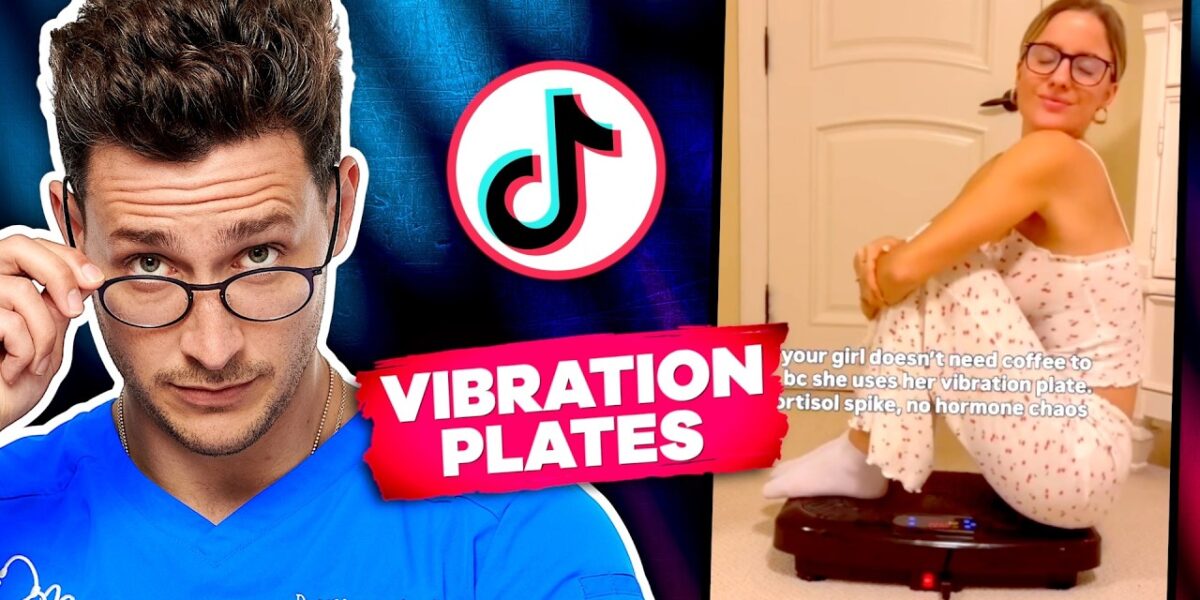
Navigating the Landscape of Online Health Advice
In an era dominated by social media, health and wellness trends can spread like wildfire. From seemingly miraculous remedies to questionable fitness gadgets, platforms like TikTok offer a constant stream of information. However, not all viral health advice is created equal, and it’s crucial to approach these trends with a discerning eye. This article delves into some of the most talked-about online health phenomena, offering expert perspectives and evidence-based insights to help you make informed decisions about your well-being.
Vibration Plates and Kidney Stone Passage
One trending topic involves the use of vibration plates for promoting bowel movements. While the idea of using vibration for health might seem novel, the underlying principle has some historical precedent. Interestingly, a study mentioned in the video highlighted that roller coaster rides have been observed to help patients pass kidney stones. This suggests that mechanical stimulation, in a controlled manner, could have therapeutic benefits. While the presenter doesn’t explicitly recommend roller coasters for kidney stones, the comparison to vibration plates implies that such devices might offer a safer, albeit less intense, method for similar outcomes. If you experience constipation, a vibration plate *might* offer a non-pharmacological option, but it’s always best to consult a healthcare provider for persistent issues.
The Rise of “Longevity Mixes” and Supplement Stacking
The pursuit of longevity has led to a surge in complex supplement regimens, often referred to as “stacking.” Some individuals consume dozens of pills daily, aiming to optimize health and extend lifespan. However, this approach can be costly and, at times, redundant. The video touches upon efforts to consolidate numerous supplements into a single, palatable liquid form, like “Athletic Greens.” While the intention is understandable – simplifying a complex routine – it’s important to remember that the efficacy of many individual supplements and the synergistic effects of such “mixes” are not always well-established. Dr. Mike, a practicing physician, emphasizes that there’s no single “longevity mix” and that relying on such products without scientific backing can be misleading. Focusing on a balanced diet, regular exercise, and adequate sleep remains the cornerstone of a healthy lifestyle.
The Unboxing of Human “Products” and Medical Interventions
In a more lighthearted, yet thought-provoking segment, the concept of “unboxing” a human baby is humorously explored. This segment serves as a metaphor for how we sometimes treat new life or significant changes with a consumerist lens. More seriously, the video touches upon medical interventions that might be perceived as over-intervention, such as sedation for detangling hair or even full-body tattoos. While medical procedures like intubation and sedation are safe when performed by qualified professionals, the video cautions against undergoing them unnecessarily. The principle is simple: avoid exposing yourself to risks associated with medical procedures unless there is a clear and compelling medical need. This applies to everything from minor procedures to more significant ones.
Tattoos and Potential Health Risks
Speaking of tattoos, the video raises an important point about the association between large tattoos and an increased risk of lymphoma. It’s crucial to understand that this is an association, not necessarily a direct cause-and-effect relationship. Researchers have observed a correlation, suggesting that further investigation is warranted. While one small tattoo is unlikely to pose a significant risk, the video advises mindful consideration of extensive body art, acknowledging that personal choices are valid but that awareness of potential health associations is important.
Fitness Trends: From Goofy Machines to Essential Oils
The world of fitness is rife with unique equipment and trends. The video showcases specialized gym machines used by athletes like Ichiro Suzuki, designed to strengthen rotational athletes through a full range of motion. While these machines offer unique benefits, particularly for experienced individuals, they are not recommended for novice trainees. The core principle highlighted is the value of strengthening muscles through their full range of motion, including deep stretches. This is often best achieved through a combination of specialized and traditional strength training.
On the other hand, the video critiques the promotion of essential oils as a cure-all, particularly for conditions like dehydration, contrasting it with the fundamental need for water. It also addresses the misconception that “natural” is always better, using the example of bacteria and antibiotics. While natural remedies have their place, they should not replace evidence-based medical treatments when necessary. The pursuit of health should be grounded in scientific understanding, not just popular trends.
Dietary Advice: Beyond Fat-Free and “Fake” Salt
Online discussions about food often involve scrutinizing ingredients. The video tackles common misconceptions, such as the idea that “fat-free” automatically equates to healthy. Often, manufacturers compensate for the lack of fat by adding significant amounts of sugar, negating any potential health benefits. Another point of discussion is “fake salt,” emphasizing the importance of using real salt, as processed or “fake” alternatives may not offer the same benefits. The video also touches upon the concern over seed oils, clarifying that while some oils may be less optimal, they are not inherently problematic. When it comes to cooking utensils, the video advises caution with certain plastics, particularly black plastics that may have been manufactured with flame retardants. Opting for stainless steel or wood utensils is generally a safer choice.
Sleep Technology and Ear Care
The quest for better sleep has led to innovations like smart mattresses, such as the Eight Sleep, which regulate temperature throughout the night. The video acknowledges this as a genuinely beneficial product for those who struggle with overheating, a common cause of poor sleep quality.
Separately, the video addresses a common concern: “wet ears.” The presenter clarifies that this sensation is often due to earwax (cerumen) buildup and strongly advises against inserting Q-tips or any objects into the ear canal. The ear is designed to self-clean, and inserting objects can push wax deeper, cause injury, or lead to infection. If you experience persistent discomfort or believe you have excessive earwax, consult a healthcare professional.
Understanding Common Health Conditions: Herpes, Pronation, and Prosthetics
The video touches upon the prevalence of common viruses like herpes (HSV). It’s noted that a significant portion of the population carries HSV, often manifesting as cold sores on the lips (HSV-1). While generally harmless for most, awareness of these common infections is part of overall health literacy.
Foot biomechanics are also discussed, specifically pronation and supination. If your shoes show excessive wear on the outer edges, it might indicate supination (under-pronation), while wear on the inner edges suggests over-pronation. The video suggests that comfort and proper cushioning are paramount when choosing footwear, rather than strictly adhering to shoe types based on wear patterns. Consulting a podiatrist or physical therapist can provide personalized recommendations.
Finally, the video briefly mentions advancements in prosthetic limb design, highlighting the creativity and innovation in this field, particularly among influencers who design unique prosthetic covers.
The Importance of Critical Thinking in Health Information
A significant portion of the discussion revolves around the challenges of navigating health information online, especially when it comes to medical professionals sharing their expertise. Dr. Mike addresses criticism he has faced, defending his credentials and the importance of seeing patients. He highlights the danger of misinformation, particularly claims that “natural” substances are always safe and that modern medicine is inherently harmful. He uses the example of E. coli infections to illustrate that “natural” does not equate to safe, and that medical interventions are often necessary to combat life-threatening conditions.
The video also debunks claims about nicotine curing various diseases, including Parkinson’s, MS, and even all forms of arthritis. While nicotine patches have specific medical uses in certain contexts (like managing withdrawal in hospitalized smokers), they are not a cure for these conditions. The presenter emphasizes the need for critical evaluation of such claims, especially when they originate from sources that may have vested interests, such as the tobacco industry or supplement manufacturers.
Zocdoc: Simplifying Healthcare Access
The video is sponsored by Zocdoc, a platform designed to make finding and booking appointments with healthcare providers easier. Zocdoc allows users to search for in-network doctors, view their availability, read patient reviews, and book appointments online. This service aims to cut through the confusion and bureaucracy often associated with healthcare access, helping individuals find specialists and primary care physicians efficiently. The presenter shares a personal anecdote about helping his father find a doctor, illustrating how Zocdoc streamlined the process.
Key Health Takeaways
- Be Skeptical of Viral Trends: Approach health advice on social media with critical thinking. Not all trends are evidence-based or safe.
- Consult Professionals: Always discuss new health treatments, supplements, or significant lifestyle changes with your doctor or a qualified healthcare provider.
- Focus on Fundamentals: Prioritize a balanced diet, regular exercise, adequate sleep, and stress management as the cornerstones of good health.
- Understand Medical Jargon: Seek clear explanations for medical concepts and avoid relying on unverified claims, especially regarding cures or miracle remedies.
- Listen to Your Body: Pay attention to how your body responds to different interventions, but always seek professional medical advice for diagnosis and treatment.
- Utilize Trusted Resources: Platforms like Zocdoc can help simplify the process of finding healthcare providers, but the information on social media should always be cross-referenced with reliable sources.
Disclaimer: This article is for informational purposes only and does not constitute medical advice. Always consult with a qualified healthcare professional for any health concerns or before making any decisions related to your health or treatment.
Source: Your Doctor's Least Favorite TikToks (YouTube)

Related Articles

Master Urges in 60 Seconds: Addiction Breakthrough
Discover a rapid, science-backed technique to manage addictive urges in under a minute. Learn how understanding brain chemistry and making key lifestyle changes can help you regain control over compulsive behaviors.


Beyond BMI: Exploring Health Beyond Weight
Emerging research suggests that health is a complex interplay of factors beyond just weight. Focusing on lifestyle behaviors, mental well-being, and individual health markers offers a more comprehensive approach to overall wellness.


Unlock Your Best Self: Simple Steps to a Glow Up
Embark on a personal transformation with actionable strategies for a 'glow up.' This guide focuses on holistic well-being, covering nutrition, exercise, mental health, and confidence-building for a healthier, happier you.