Decoding Driving: The 6 Levels of Automation
The dream of self-driving cars is closer than you think, but most vehicles today only offer Level 2 automation. This article breaks down the six SAE levels, explaining what each means for driver responsibility and the future of autonomous driving.

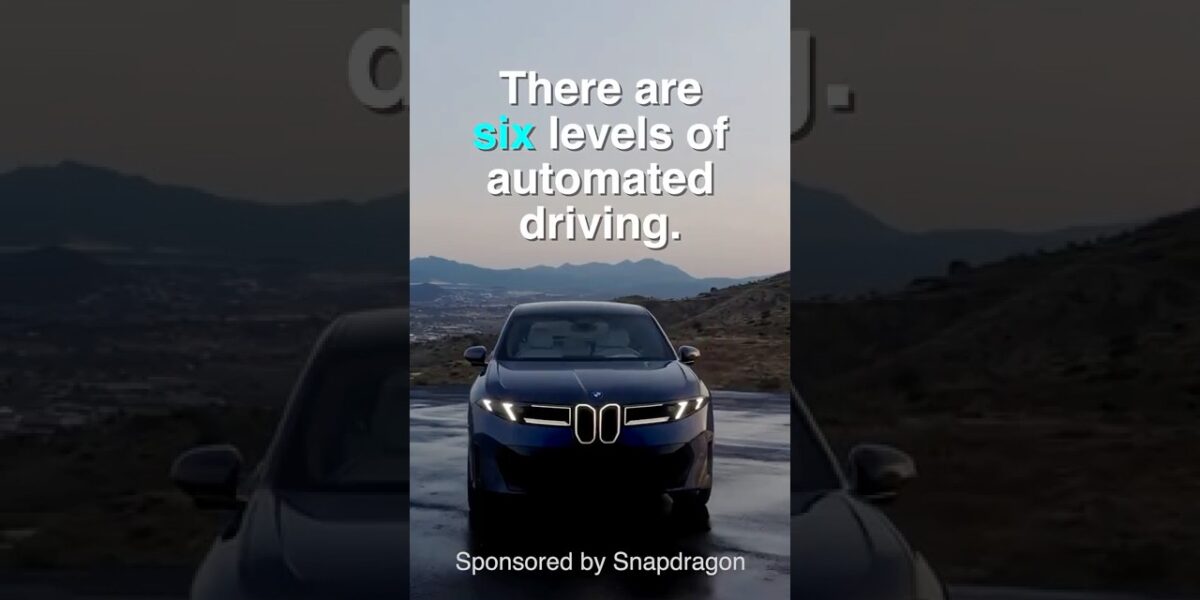
The Road to Autonomy: Understanding the Six Levels of Driving Automation
The dream of self-driving cars has captivated the automotive world for decades, promising a future of effortless commutes and enhanced safety. Yet, the reality on our roads today is far more nuanced. Despite ambitious marketing, the vast majority of vehicles equipped with advanced driver assistance systems (ADAS) currently operate at Level 2 automation. This classification, defined by the Society of Automotive Engineers (SAE), is crucial for understanding what your car can and cannot do, and more importantly, where the responsibility lies.
The Foundation: Advanced Driver Assistance Systems (ADAS)
At the heart of all automated driving capabilities are ADAS. These sophisticated systems rely on a complex interplay of hardware and software. Cameras, radar, lidar, and ultrasonic sensors act as the eyes and ears of the vehicle, constantly gathering data about the surrounding environment. This raw data is then fed into powerful processors that interpret the information, predict potential hazards, and plan appropriate actions. Finally, control systems translate these decisions into physical commands, enabling the vehicle to steer, brake, or accelerate.
The critical differentiator between the various levels of automation hinges on how much of this driving task the human driver retains. Manufacturers like BMW, utilizing platforms such as Qualcomm’s Snapdragon Ride, can select and implement specific ADAS features, tailoring the level of assistance offered to their customers. However, understanding these levels is paramount for safe operation.
Level 0-2: The Driver Remains in Charge
For most drivers, the current reality of automated driving falls within Levels 0 through 2. In these stages, the human driver is unequivocally responsible for monitoring the driving environment and performing all critical driving tasks. Even when systems like adaptive cruise control maintain speed and distance, or lane-keeping assist actively steers the vehicle, the driver must remain vigilant and ready to intervene at any moment.
- Level 0: No Automation. The human driver performs all driving tasks.
- Level 1: Driver Assistance. A single ADAS feature (e.g., adaptive cruise control) can assist with steering OR speed control. The driver handles the other.
- Level 2: Partial Automation. ADAS features can control BOTH steering AND acceleration/deceleration simultaneously (e.g., advanced lane centering with adaptive cruise control). The driver must supervise constantly.
Level 3: Conditional Automation – A Step Towards Independence
Level 3 automation represents a significant leap forward, often referred to as Conditional Automation. Here, the vehicle can handle the entire driving task under specific conditions, such as highway driving in clear weather. The driver is no longer required to constantly monitor the environment. However, this freedom comes with a crucial caveat: the driver must be ready and able to take back control when the system prompts them to do so. This transition period is a critical safety consideration, and regulatory frameworks are still evolving to address the complexities of Level 3 deployment.
Level 4-5: High and Full Automation – The Driver Becomes a Passenger
The pinnacle of driving automation lies in Levels 4 and 5, where the need for human intervention is drastically reduced or eliminated entirely.
- Level 4: High Automation. The vehicle can perform all driving tasks and monitor the driving environment within a defined operational design domain (ODD) – for example, a specific geofenced area or certain weather conditions. The driver may not need to take over even if the system fails, as the vehicle is designed to handle such situations safely (e.g., pull over).
- Level 5: Full Automation. This is the ultimate goal: the vehicle can perform all driving tasks under all conditions that a human driver could manage. In Level 5 vehicles, traditional controls like steering wheels and pedals may become optional or entirely absent, transforming occupants into mere passengers.
Navigating the Future
As automotive technology rapidly advances, understanding these SAE levels is not just an academic exercise; it’s a matter of safety and informed consumer choice. While the allure of fully autonomous vehicles is strong, the current landscape is dominated by sophisticated driver assistance, not true self-driving. Consumers should be aware of the limitations of their vehicle’s systems and always prioritize attentive driving, especially at Levels 0-2. The journey to Levels 4 and 5 is ongoing, marked by significant technological hurdles and regulatory challenges, but the direction is clear: the car is increasingly taking the wheel, and we are learning to navigate this evolving relationship between human and machine.
Source: What Are The 6 Levels Of Automated Driving? (YouTube)

Related Articles


Volvo EX60: The 810km Electric SUV That Redefines Range
The all-new Volvo EX60 arrives with a class-leading claimed range of up to 810 km, challenging EV range anxiety with its impressive battery capacity and rapid charging. It blends Scandinavian design, family-friendly practicality, and advanced technology, positioning itself as a compelling premium electric SUV.

2026 Jeep Cherokee: A Hybrid SUV Reimagined
The 2026 Jeep Cherokee arrives with a significant hybrid powertrain, standard all-wheel drive, and a refreshed, rugged exterior design. It aims to balance efficiency with Jeep's traditional capability, offering up to 37 mpg combined and a comfortable ride for daily driving.

Honda’s Engine Stop Button: A Dangerous Driving Mishap?
An accidental press and hold of a Honda's engine start/stop button while driving resulted in a complete engine shutdown, loss of power steering, and a difficult stop. This incident highlights potential safety flaws in modern vehicle interfaces.