Debt Wall Reshapes Real Estate Market
A significant wave of maturing debt is reshaping the commercial real estate market, leading to a "Wall Street" driven correction. Rising interest rates and a shift away from the "euphoria" of low-rate borrowing are creating distress, particularly in the office sector, while presenting opportunities for disciplined, long-term investors.

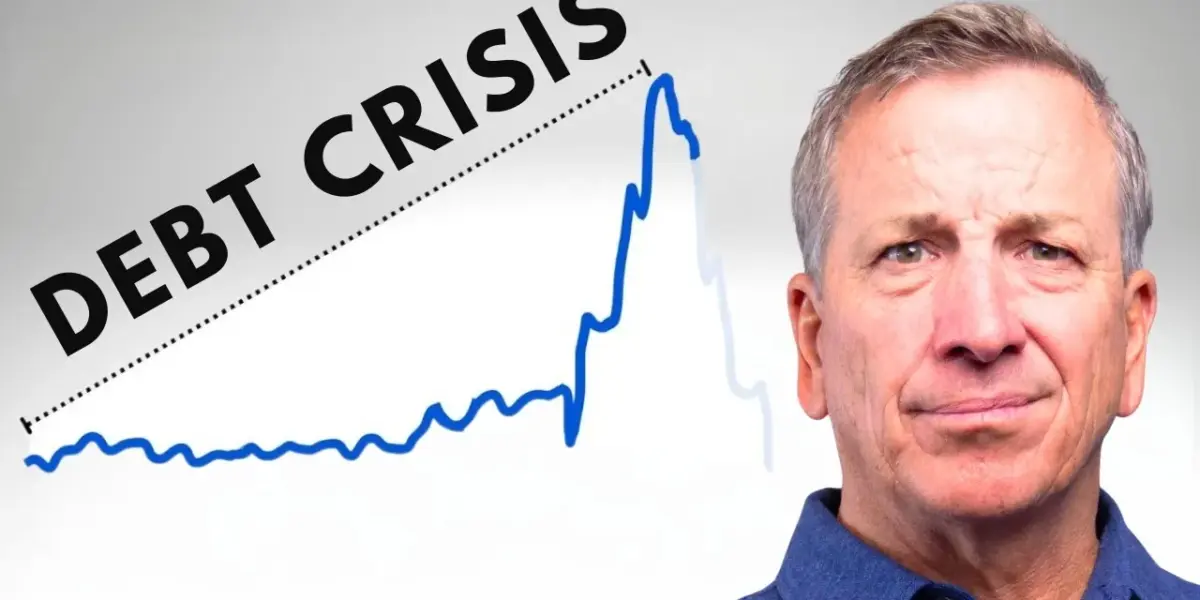
Debt Wall Reshapes Real Estate Market
The commercial real estate landscape is undergoing a significant recalibration, driven by a substantial wave of maturing debt and shifting market dynamics. While past crises, like the 2008 subprime mortgage meltdown, originated from “Main Street” with widespread consumer access to credit, the current situation is largely a “Wall Street” event, impacting institutional investors, pension funds, and large portfolio holders. This distinction is crucial, as it suggests a different trajectory for the broader economy and individual homeowners.
Understanding the Credit and Debt Cycle
Real estate markets are intrinsically linked to credit and debt cycles, characterized by phases of expansion, euphoria, tightening, distress, and recovery. Prominent fund managers like Blackstone, KKR, and Apollo, along with figures like Ray Dalio, closely monitor these cycles. The current environment is seen by many as a period of correction following a euphoric expansion fueled by historically low interest rates and abundant capital. This expansion led to inflated property values, particularly in sectors like multifamily housing, where a surge in investment and development occurred over the past few years.
The Impact of Rising Interest Rates
The Federal Reserve’s aggressive response to inflation, beginning in mid-2022 with significant interest rate hikes, has been a primary catalyst for the current market reset. As inflation peaked around 9.1% in June 2022, the Fed’s actions led to a sharp increase in borrowing costs. Properties financed with floating-rate debt, which may have had rates around 4-5%, suddenly faced much higher payments of 8-9%. This dramatically impacted the financial viability of many real estate investments, especially new construction and those with short-term financing strategies.
For investors who purchased properties based on the expectation of continued price appreciation or the ability to refinance at favorable terms, the rapid rise in rates has created significant challenges. The correction has caused property values to decline, with some assets now being valued at 50-60% of their previous peak. For instance, a property valued at $50 million three to four years ago might now be worth closer to $30 million, largely due to increased capitalization rates (cap rates) driven by higher interest rates.
Cap Rates and Cash Flow: Key Investor Metrics
Understanding key real estate investment metrics is essential to grasp the current market. Cap rate (capitalization rate) is a measure of a property’s net operating income (NOI) relative to its market value. A higher cap rate generally indicates a potentially higher return but also may signal higher risk. As interest rates rise, cap rates tend to increase as investors demand higher yields to compensate for the increased cost of capital and perceived risk. Conversely, falling interest rates typically compress cap rates, pushing property values higher.
Cash flow, another critical concept, refers to the net income generated by a property after all operating expenses and debt service payments are accounted for. Investors often prioritize properties that generate positive cash flow because it provides a buffer against market downturns and ensures a steady income stream. The principle of buying for cash flow is a cornerstone strategy for many long-term real estate investors, as it allows them to weather market volatility, even if property values temporarily decline.
Sector-Specific Impacts: Office vs. Multifamily
The impact of the debt wall and market reset is not uniform across all commercial real estate sectors. The office sector is experiencing the most significant distress, with substantial drops in value and occupancy. Factors such as the rise of remote work and changing business needs have exacerbated these challenges, leading to questions about the future utility and value of many office buildings. Some are exploring conversions to other uses, such as self-storage or multifamily housing, though these conversions present their own complexities.
In contrast, the multifamily sector, while not immune to the broader market pressures, has shown more resilience. Rents have not experienced the dramatic collapse seen in other sectors, and demand for housing remains relatively strong. However, the sector is grappling with a substantial amount of new construction that came online during the low-rate environment, coupled with the refinancing challenges faced by existing properties. Investors who relied on short-term strategies or aggressive leverage are now facing the consequences of maturing debt and higher borrowing costs.
Regional Variations and Investor Strategies
Market conditions can vary significantly by region. While the transcript doesn’t provide specific regional data, general trends suggest that markets experiencing rapid growth and high pre-pandemic valuations may be more susceptible to price corrections. Conversely, more stable, long-term rental markets might offer greater resilience.
The current environment presents both challenges and opportunities. For sellers and investors who over-leveraged or employed short-term, speculative strategies (akin to house-flipping in the multifamily space), the situation is difficult, leading to defaults and capital calls. However, for disciplined investors with a long-term, cash-flow-focused approach, the market reset is creating opportunities to acquire well-located assets at significantly reduced prices.
Experienced investors emphasize the importance of buying right, managing risk effectively, and maintaining a long-term perspective. This includes securing fixed-rate debt, conducting thorough due diligence, and avoiding the temptation to overpay during market euphoria. The ability to say “no” to deals that don’t meet strict underwriting criteria, even when faced with internal and external pressure, is a key differentiator. This discipline allows them to navigate market cycles and capitalize on opportunities when they arise, often acquiring properties from distressed sellers or at discounts to replacement cost.
The “Maturity Wall” and Future Outlook
A significant amount of commercial real estate debt is set to mature in the coming years, often referred to as the “maturity wall.” This refers to the large volume of loans that will come due and require refinancing or repayment. While this presents a clear challenge for borrowers, particularly those with floating-rate debt or properties whose values have declined, it also signals a period of potential transaction volume as distressed assets are moved and capital is restructured.
The current market reset, while painful for some, is viewed by many seasoned investors not as a systemic collapse like in 2008, but as a necessary correction. The focus remains on disciplined investing, prioritizing cash flow, and managing debt prudently. The opportunities emerging from this period are expected to favor those who can acquire assets at attractive valuations, particularly from institutions and funds that may be forced to divest due to debt obligations or investor demands.
Looking Ahead: Opportunities in Distress
Despite the broader challenges, the market is seeing deals emerge where well-capitalized buyers can acquire properties at substantial discounts. Examples include acquiring new construction at 50% of replacement cost or making deals at 50-60% of the outstanding loan balance. These opportunities often involve working with banks and debt funds looking to offload distressed real estate. This underscores a key takeaway: while the debt wall is real and impacting specific investors and institutions, it is creating a buyer’s market for those with the capital and strategy to navigate the current landscape.
Source: The $1 Trillion Real Estate Debt Crisis Is CRUSHING Markets (YouTube)

Related Articles


Diversification Shields Investors in Uncertain Markets
In uncertain markets, the focus shifts from selling to strategic diversification. Investors are embracing a mix of assets like Bitcoin, S&P 500, and dividend stocks, alongside dollar-cost averaging and dividend reinvestment, to build resilience and capture potential upside.


Global Wealth Shift: Gold Surges, US Dollar Weakens
The 82-year reign of the U.S. dollar as the dominant global reserve currency is facing unprecedented challenges. Gold prices are soaring, international investors are diversifying away from U.S. assets, and nations are seeking alternatives to dollar-denominated trade, signaling a significant global wealth shift.


Oil Surges Past $80, Fueling Inflation Fears, Rate Cut Delays
Escalating geopolitical tensions have pushed oil prices above $80 per barrel and natural gas prices up by 30%, sparking inflation concerns. This could delay anticipated interest rate cuts, leading to falling bond prices, rising yields, and increased government borrowing costs, all while pressuring stock markets.