Dean Withers Slams ‘Pissed Off’ America, Iran War Talk, and SAVE Act
Political commentator Dean Withers voiced concerns over the current American mood, potential conflict with Iran, and the SAVE Act. He described a segment of the population as "pissed off" and criticized the SAVE Act as a "power play" offering short-term gas price relief but potentially harming infrastructure funding.


Dean Withers Critiques Political Climate, Iran War Talk
Political commentator Dean Withers joined MSNBC’s Ali Velshi and Stephanie Ruhle to discuss the current mood in America, the potential for war with Iran, and the implications of the SAVE Act. Withers described a significant segment of the American population as “pissed off,” feeling unheard and disconnected from political discourse. He suggested this anger stems from a perceived lack of attention to everyday concerns.
The conversation turned to the escalating tensions with Iran. Withers expressed concern over the rhetoric surrounding a potential military conflict, noting that decisions about war often feel based on instinct rather than careful strategy. He specifically mentioned former President Trump’s approach, suggesting his decisions about Iran had a strong “feel” to them, implying a less-than-thorough consideration of consequences. This approach, Withers argued, can be dangerous when dealing with international relations.
The SAVE Act: A ‘Power Play’ or Economic Solution?
A key focus of the discussion was the SAVE Act, a piece of legislation Withers characterized as a “power play.” He explained that the act aims to address the rising cost of living, particularly concerning gas prices. The SAVE Act proposes to suspend the federal gasoline tax. This would temporarily lower prices at the pump for consumers.
However, Withers raised questions about the act’s true intent and effectiveness. He suggested that while it offers immediate relief, it might not address the root causes of high energy costs. Furthermore, he implied that the political maneuvering behind the act could be more about gaining public favor than achieving sustainable economic solutions. “It’s a power play, because it’s something that can be sold to people at the gas pump,” Withers stated, highlighting the populist appeal of such measures.
He elaborated on the potential downsides, noting that suspending the gas tax means less funding for infrastructure projects. These projects rely on revenue generated from fuel taxes. Withers cautioned that short-term relief could lead to long-term problems for roads, bridges, and other essential transportation networks. This trade-off, he argued, is often overlooked in the rush to offer quick fixes.
Broader Implications and Public Sentiment
The discussion touched upon the broader sentiment among Americans, with Withers emphasizing a feeling of disillusionment. He observed that many people feel the political system is not working for them. This sentiment fuels the anger he described earlier. The debate over issues like gas prices and foreign policy often becomes a proxy for deeper frustrations with government and economic stability.
Withers also highlighted the challenge of communicating complex policy issues to the public. The SAVE Act, for example, has a simple, appealing message: lower gas prices. But its full economic impact and the political motivations behind it are harder to convey. This communication gap, he suggested, allows for policies to be presented in a simplified, often misleading, way.
Velshi and Ruhle probed further into the nature of this public anger, asking about its specific drivers. Withers reiterated that it’s a mix of economic pressures, such as inflation and high energy costs, coupled with a feeling that politicians are out of touch. He stressed that politicians need to connect with the everyday struggles of their constituents to regain trust.
Looking Ahead
The conversation concluded with a look towards the future. Withers urged a more thoughtful approach to policy-making, emphasizing the need to consider long-term consequences over short-term political gains. The effectiveness and long-term impact of the SAVE Act will be crucial to watch. Additionally, the ongoing geopolitical situation with Iran remains a significant concern. The public’s perception of how these issues are handled will likely shape the political landscape moving forward. How politicians address the underlying frustrations of the “pissed off” American public will be key.
Source: PISSED OFF American: Dean Withers on debate space | Trump's Iran war 'FEEL' | SAVE ACT 'power play' (YouTube)

Related Articles
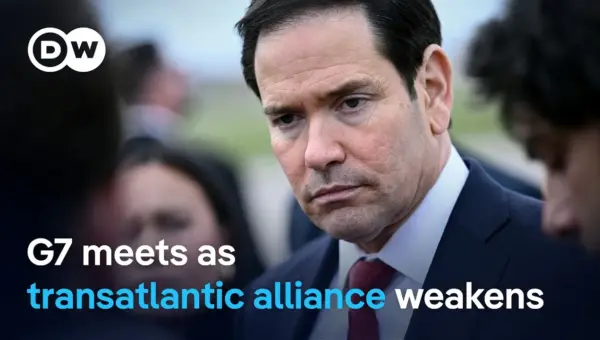
G7 Allies Clash Over Iran War Strategy, Urge Focus on Russia
G7 foreign ministers met in Paris, revealing deep divisions over the U.S. war with Iran. European allies urged the U.S. to pressure Russia, linking its actions to the conflict and fearing support for Ukraine will wane.
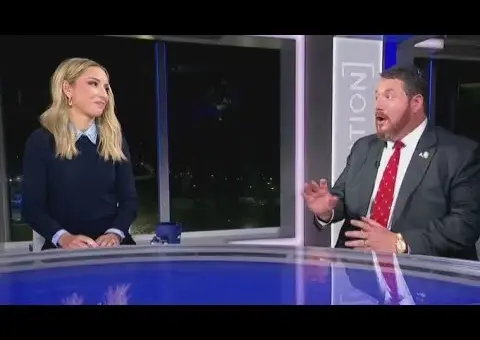
House Republicans Reject Senate Deal, Sparking Government Funding Clash
House Republicans have rejected a Senate bill to end the government shutdown, citing insufficient border security measures. Congressman Randy Fine called the Senate deal a "disgrace" and highlighted the ongoing fight for full government funding. President Trump's executive order to pay TSA agents offers temporary relief, but the core disagreement over border security continues to paralyze Washington.

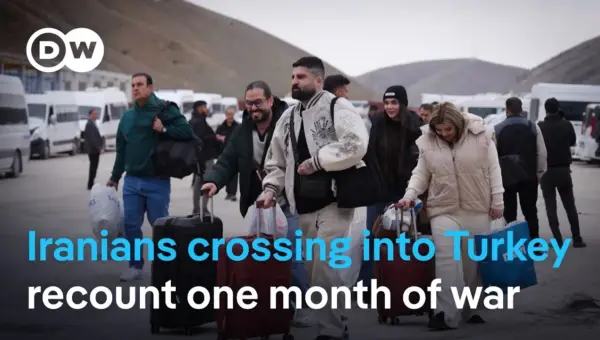
Iran War Exodus: Refugees Flee to Turkey Amidst Bombings
A train from Tehran brings refugees to Turkey, fleeing daily bombings and economic collapse. Many express deep fear for loved ones left behind, while some hold onto national pride and hope for victory. The conflict's impact is also felt economically in Turkey, with rising gas prices.