Deadly Boat Shooting Rekindles Decades of US-Cuba Tensions
A recent deadly shooting on the high seas near Cuba has reignited decades of U.S.-Cuba tensions, drawing parallels to past confrontations like the Brothers to the Rescue shootdown. The incident highlights the complex and often fraught history between the two nations, from the Cold War era to shifts in diplomatic relations.

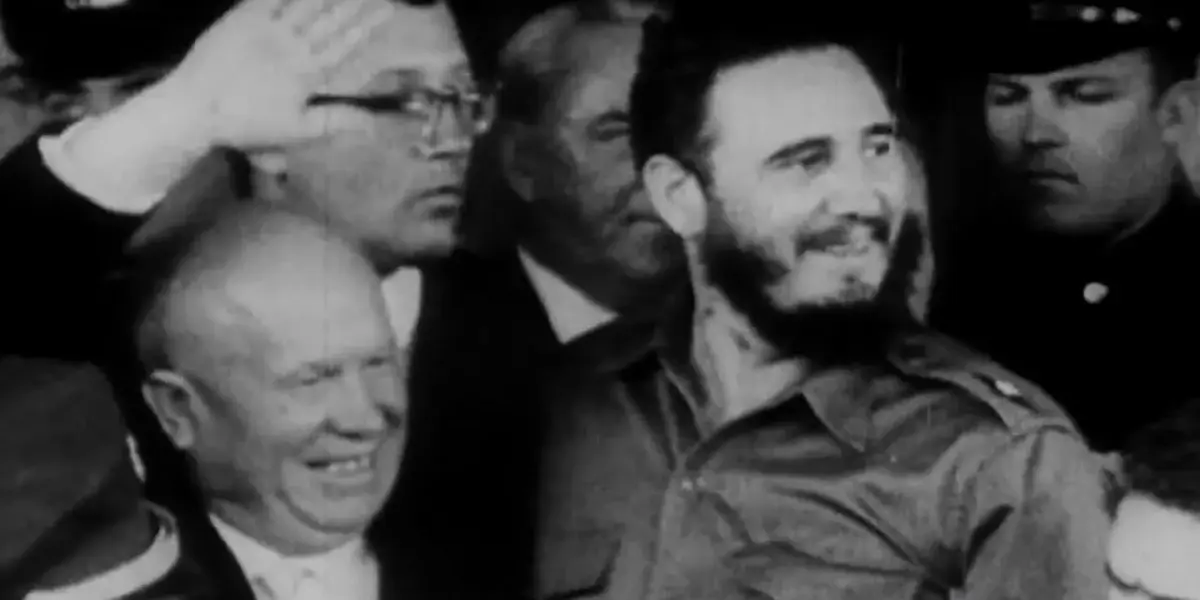
US-Cuba Tensions Flare After Deadly High Seas Incident
A recent deadly shooting involving ten people from Miami on the high seas near Cuba has brought decades of simmering tensions between the United States and Cuba back into sharp focus. The incident, occurring this week, carries significant symbolic weight, echoing past confrontations and highlighting the enduring complexities of the relationship between the two nations.
A Painful Echo: The Brothers to the Rescue Tragedy
The current events draw a striking parallel to a tragic incident nearly 30 years ago, on February 24, 1996. On that day, Cuban MiG fighter jets, supplied by the Soviet Union, shot down two unarmed civilian Cessnas belonging to the Cuban-American exile group Brothers to the Rescue. The organization, which aimed to aid rafters fleeing Cuba, was on a mission to drop leaflets over Havana. According to reports, the order to shoot down the planes came directly from Fidel Castro himself, who perceived the group’s actions as a deliberate threat from the United States.
“This has been assassination on the high seas.”
– Claim made by the group’s leader regarding the 1996 shootdown.
The leader of Brothers to the Rescue claimed the group had been trained by the CIA, further inflaming the situation. The shootdown prompted then-President Bill Clinton to impose tougher sanctions on Cuba, tightening restrictions on the Castro government. Havana, in turn, accused the plane’s owner, Brothers to the Rescue, of planning sabotage.
Historical Flashpoints: From Bay of Pigs to Cuban Missile Crisis
Cuba’s actions were seen by some as a stark reminder of the failed Bay of Pigs operation in 1961, a CIA-backed attempt by Cuban exiles to overthrow Fidel Castro’s government. During the Cold War, Cuba became a critical geopolitical flashpoint between the U.S. and the Soviet Union. The most perilous moment arrived in 1962 with the Cuban Missile Crisis, when Moscow deployed nuclear missiles in Cuba, just 90 miles from the U.S. mainland. This standoff between President John F. Kennedy and the Kremlin brought the world to the brink of nuclear war.
The decades that followed were marked by a steady stream of Cuban rafters fleeing the island for U.S. shores, often undertaking perilous journeys. This exodus underscored the deep-seated political and economic challenges faced by Cuba and the desire for freedom among its citizens.
The Elian Gonzalez Saga: A Custody Battle with Global Ramifications
The complex relationship took another dramatic turn in 1999 with the case of six-year-old Elian Gonzalez. Found clinging to an inner tube three miles off the coast of Fort Lauderdale on Thanksgiving Day, he was the sole survivor of a boat accident that claimed his mother’s life. Initially placed with relatives in Miami, Elian became the center of an intense international custody battle. His father in Cuba, supported by Fidel Castro’s government, demanded his return, leading to massive anti-U.S. protests in Havana.
Cuban officials threatened “massive protests” if the boy was not returned by a specific deadline.
After a protracted legal and political struggle, a judge ultimately ordered Elian Gonzalez to be removed from his Miami relatives and reunited with his father in Cuba. The case highlighted the deep divisions within the Cuban-American community and the potent influence of the Cuban government in international affairs.
Shifting US Policies: From Détente to Renewed Sanctions
The fall of the Soviet Union significantly impacted Cuba’s economy, as it lost its primary source of subsidies. Havana subsequently turned to Venezuela for oil and financial assistance. A significant shift in U.S.-Cuba relations occurred with the election of Barack Obama. His administration eased the long-standing U.S. embargo and reestablished diplomatic ties, culminating in the historic raising of the U.S. flag at the embassy in Havana for the first time since 1961.
“This is truly a memorable occasion.”
– A sentiment often expressed during the period of renewed diplomatic relations.
In 2016, Obama made a groundbreaking visit to Havana, becoming the first sitting U.S. president to visit the Cuban capital in 88 years. He held a joint press conference with Raul Castro, and the two leaders even attended a baseball game together, symbolizing a new era of potential engagement.
A Policy Reversal and Economic Strain
However, the election of Donald Trump marked a significant reversal in U.S. policy. Many U.S. embassy personnel were withdrawn from Havana following a series of mysterious ailments, dubbed “Havana Syndrome,” which caused headaches and dizziness among staff. While the CIA never determined the cause, Trump’s administration placed Cuba back on the list of state sponsors of terrorism, reimposing restrictions on trade and commerce. This policy shift also led to the cessation of cruise ship tourism from American visitors.
Cuba’s economic lifeline became increasingly dependent on its ally, Venezuela, under Nicolas Maduro. However, with the influence of Cuban-American Senator Marco Rubio, U.S. pressure on Venezuela intensified, leading to Maduro’s arrest and a blockade of Cuba’s oil supply. Consequently, Cuba’s economy has been severely strained, with predictions of further economic hardship.
Looking Ahead: The Enduring Legacy of Conflict
The recent deadly boat shooting serves as a potent reminder that the historical tensions between the U.S. and Cuba, shaped by decades of political conflict, ideological divides, and geopolitical maneuvering, continue to cast a long shadow. As the situation unfolds, observers will be watching to see if this incident leads to further diplomatic friction or if it can serve as a catalyst for renewed dialogue, however unlikely that may seem given the entrenched historical animosities.
Source: Decades of tensions with Cuba in the spotlight after deadly boat shooting (YouTube)

Related Articles


US, Israel Strike Iran Amid Escalating Regional Conflict
In a significant escalation, US and Israeli forces have launched new strikes on Iran, resulting in American casualties. Intelligence suggests some Iranian military units are now operating independently, raising concerns of chaos. Tehran has witnessed explosions amidst ongoing aerial bombardments.


US, Iran Escalate Mideast Conflict Amidst Diplomatic Stalemate
US and Iran are trading new strikes as regional conflict escalates, with a particular focus on the volatile situation in Iraq. Pro-Iranian demonstrators attempted to storm the U.S. Embassy in Baghdad, highlighting the growing instability. Diplomatic efforts to broker peace face significant challenges amidst the escalating hostilities.


Gulf States Caught in US-Iran Crossfire, Seek Stability
Gulf states are caught in the escalating US-Iran conflict, facing violations of sovereignty and national security threats. Leaders express a strong desire for stability and economic prosperity, contrasting with the unfolding scenes of regional instability.