De Niro Rallies Against ‘Would-Be Kings’ on No Kings Day
Robert De Niro delivered a powerful message on 'No Kings Day,' urging citizens to resist perceived authoritarian tendencies in leadership. He praised Minnesota's courage in nonviolent protest against government forces, framing the day as a hopeful start to ongoing efforts against those who fear losing power.

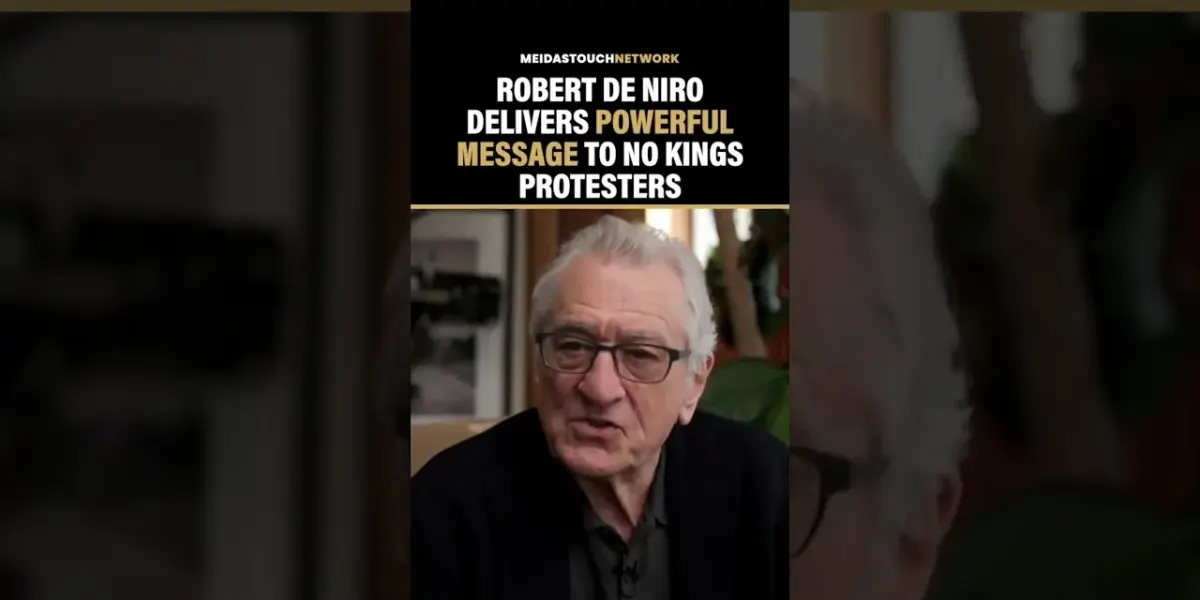
Celebrated Actor Robert De Niro Issues Stark Warning Against Authoritarianism
Every morning, like many of us, actor Robert De Niro starts his day by checking the news. Lately, however, this ritual has become a source of deep discouragement. He describes waking up feeling depressed by what he calls the “latest outrage from our would-be king.” De Niro finds it astonishing how often new and alarming events seem to dominate the daily headlines.
But recently, one particular day stood out. De Niro highlights this day as a moment of collective defiance across the United States. Millions of people in cities, towns, factories, and farms gathered together. Their shared message was a powerful declaration: “no kings.” He views this day as a beautiful and hopeful one for America.
Minnesota Leads the Charge
De Niro specifically praised the state of Minnesota, calling it the “epicenter” of this movement. He believes their courage and dedication have inspired people nationwide. The actor pointed to Minnesota’s success in using nonviolent protests to show their strength. He also commended their bravery when facing what he described as armed attacks by “government thugs.” Despite these challenges, Minnesotans united and successfully pushed back these forces.
He urged the people of Minnesota to acknowledge their achievements. De Niro suggested they should be proud and celebrate their success. However, he cautioned them against resting on their laurels. This day, he stressed, is merely the beginning. It’s a preparation, a rehearsal, for larger actions to come.
The Fear of Losing Power
The core of De Niro’s message focuses on the actions of those in power. He describes a “would-be king” who is consumed by the fear of losing authority. This individual, he suggests, will resort to any means necessary to maintain control. De Niro believes this pursuit of power disregards legality, morality, and basic humanity.
Looking ahead, De Niro anticipates greater difficulties. He acknowledges the efforts made so far but emphasizes that more will be required. He expressed confidence that people will rise to meet these upcoming challenges. His closing remarks were a call to action, thanking those who have already contributed and preparing them for future demands.
Why This Matters
Robert De Niro’s passionate speech touches on a fundamental concern in democratic societies: the potential for abuse of power. His use of the term “would-be king” is a strong metaphor for leaders who may overstep their authority or attempt to consolidate power in ways that undermine democratic principles. This resonates with historical anxieties about authoritarianism, where a single ruler or a small group amasses unchecked power, often at the expense of citizens’ rights and freedoms.
The idea of “No Kings Day” serves as a symbolic rejection of such unchecked authority. It calls to mind historical movements that fought against monarchies and oppressive regimes. By celebrating this day, people are affirming their commitment to a system where power is derived from the people, not inherited or seized. De Niro’s message highlights the importance of active citizenship and the courage required to challenge perceived injustices, even in the face of intimidation.
Historical Context and Trends
The concept of resisting powerful, potentially tyrannical figures is as old as civilization itself. From ancient republics challenging kings to modern movements advocating for democracy and human rights, the struggle against concentrated power is a recurring theme. De Niro’s words echo the sentiments of many who feel that certain leaders are acting in ways that are detrimental to democratic norms. This sentiment is not unique to any one country or time period; it is a persistent concern in societies grappling with leadership accountability.
In recent years, there has been a global rise in populist movements and leaders who often challenge established institutions and norms. This has led to increased political polarization and debates about the nature of leadership and the health of democratic systems. De Niro’s speech can be seen as a reaction to these broader trends, urging citizens to remain vigilant and to actively participate in safeguarding democratic values.
Future Outlook
The “No Kings Day” movement, as described by De Niro, represents a call for continued civic engagement. It suggests that the fight for democratic principles is ongoing and requires sustained effort. The future outlook depends on the willingness of citizens to remain informed, to organize, and to voice their concerns through peaceful and nonviolent means. De Niro’s message is ultimately one of empowerment, reminding people that their collective action can indeed make a difference.
His acknowledgment of future challenges implies that the struggle against perceived overreach of power will likely continue. The effectiveness of such movements often relies on maintaining unity, strategic action, and a clear articulation of demands. As De Niro suggests, the “rehearsal” is over, and the “big show” requires sustained commitment and bravery from the public.
Source: Robert De Niro POWERFUL Message on NO KINGS DAY (YouTube)

Related Articles

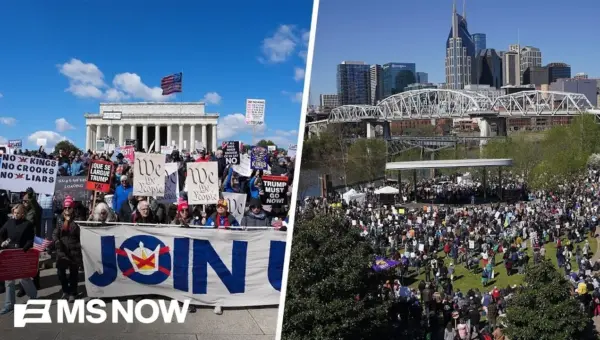
Thousands March Nationwide Against Trump, Iran War
Thousands participated in nationwide 'No Kings Day' marches protesting against President Trump and the potential war in Iran. Events in St. Paul, West Palm Beach, and Austin drew large crowds and featured notable speakers and activists. The demonstrations highlighted widespread discontent and a push for greater civic engagement.

Mass Protests Expose Cracks in MAGA Movement
Massive "No Kings Day" protests across America highlighted widespread dissent, while the struggling CPAC conference showed cracks in the MAGA movement. Organizers reported record turnout for the protests, fueled by concerns over executive power and corruption. Meanwhile, CPAC faced declining attendance and a lack of key speakers, signaling a potential shift in political influence.
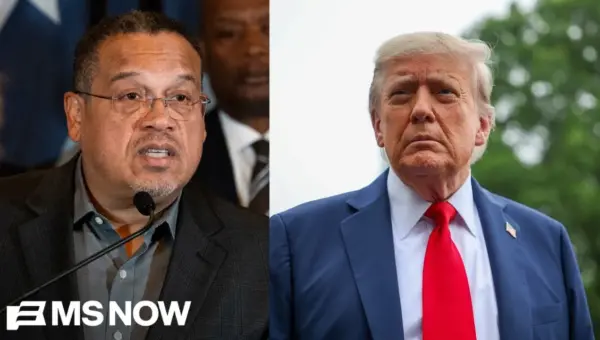
MN AG Blasts Trump’s ‘Wicked’ Insults Amid ‘No Kings’ Protests
Thousands protested President Trump's policies nationwide, with Minnesota AG Keith Ellison condemning his "wicked" and "corrupt" nature. Ellison also discussed a state lawsuit against the federal government over withheld evidence in officer-involved shootings.