David Protein Bars Face Lawsuit Over Calorie Claims
David Bars, a popular protein bar brand, is facing a class-action lawsuit alleging significant misrepresentation of calorie and fat content. The suit claims some products contain up to 80% more calories and four times the fat than advertised. The company's founder denies the allegations, citing a unique ingredient that is not fully absorbed by the body.

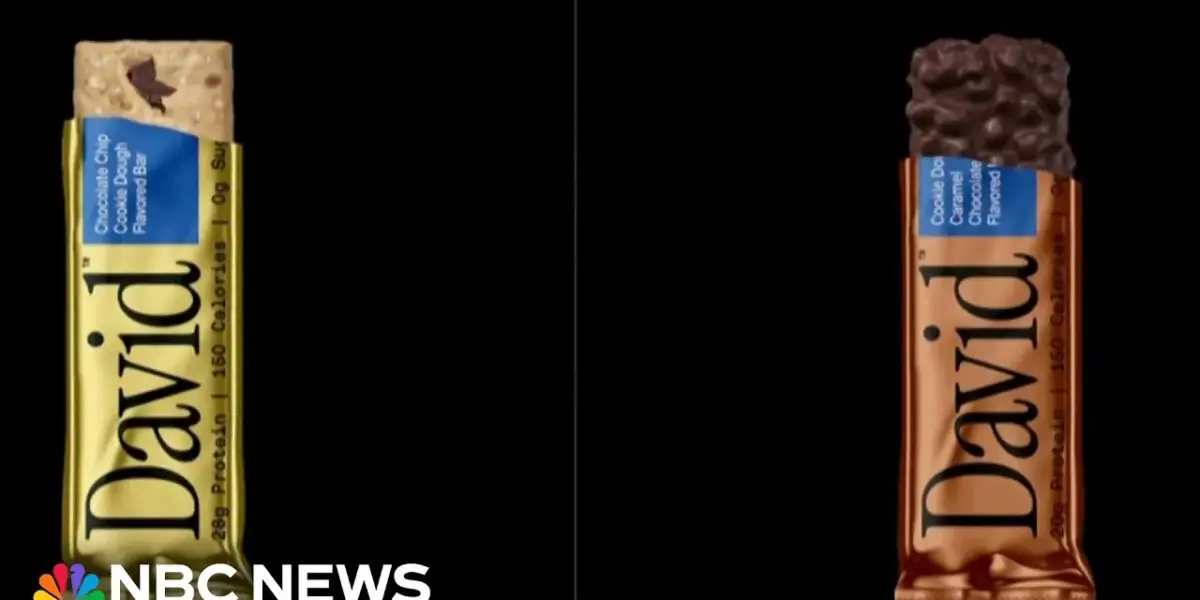
David Protein Bars Accused of Misleading Consumers on Calorie and Fat Content
Popular protein bar brand David Bars is facing a new class-action lawsuit that alleges the company has been significantly misrepresenting the calorie and fat content of its products. Consumers claim that the bars contain substantially more calories and fat than what is stated on the product labels, potentially impacting individuals seeking to manage their dietary intake.
Lawsuit Alleges Significant Calorie and Fat Discrepancies
The lawsuit, filed by consumers, asserts that David Bars are not only higher in calories and fat than advertised but that the discrepancy is substantial. According to the legal filing, some products contain as much as 80% more calories and nearly four times the amount of fat compared to the figures printed on their packaging.
A specific example cited in the lawsuit is the Red Velvet flavor of David Bars. The label for this popular variety reportedly states it contains 150 calories and 2.5 grams of fat. However, the lawsuit claims that independent tests have revealed the actual nutritional content to be approximately 271 calories and 12.31 grams of fat.
Founder Denies Allegations, Cites Unique Ingredient
Peter Rahal, the founder of David Bars, has publicly refuted the claims made in the lawsuit. In response to questions about whether consumers are consuming more calories than they believe, Rahal stated, “So the simple answer is no. It’s a frivolous case where they’re using the wrong measurement and method to measure calories.”
Rahal explained that David Bars utilize a unique ingredient, described as a “special green fat” that allows the product to mimic the taste and texture of fat without contributing the expected caloric load. This ingredient is identified as EPG, a modified plant-based oil.
“When you eat it and it goes into your body you don’t digest it. Because you don’t digest it, you don’t absorb the calories from that ingredient,” Rahal explained regarding the EPG component.
Company Claims FDA Compliance and Social Media Growth
The founder further asserted that David Bars developed its products in compliance with Food and Drug Administration (FDA) regulations. The brand experienced a rapid surge in popularity, largely attributed to its significant presence and marketing efforts on social media platforms.
Broader Implications for the Health Food Industry
This lawsuit against David Bars highlights ongoing scrutiny within the food industry, particularly concerning health-focused products. Consumers increasingly rely on accurate nutritional labeling to make informed decisions about their diet, especially for products marketed as healthy alternatives or aids for weight management. Misleading calorie and fat information can have significant consequences for individuals managing specific dietary needs, such as those with diabetes, or those adhering to calorie-restricted diets for weight loss or fitness goals.
The use of novel ingredients like EPG, while potentially offering benefits such as reduced calorie content and improved taste, also raises questions about standardized testing and regulatory oversight. The lawsuit suggests that current testing methodologies may not adequately account for the unique properties of such ingredients, leading to discrepancies between advertised and actual nutritional values. This case could prompt a review of how such ingredients are assessed and how nutritional information is verified for compliance.
What’s Next for David Bars and Consumers?
The class-action lawsuit is expected to proceed through the legal system, with potential implications for David Bars’ brand reputation and future product development. Consumers and industry observers will be closely watching the legal proceedings to see how the court addresses the claims regarding EPG and the accuracy of nutritional labeling. The outcome could set a precedent for how similar ingredients are regulated and tested in the future, potentially leading to stricter guidelines or revised testing protocols for the health food market.
Source: David Protein bars accused of lying about calories (YouTube)

Related Articles


Social Media Giants Found Liable in Landmark Lawsuit
A Los Angeles jury has found Meta and YouTube negligent in their platform designs, marking a historic verdict that could signal the "end of social media as we know it." The ruling holds the tech giants accountable for addicting young users and causing mental health issues, potentially reshaping the industry.


Jury Hits Meta, YouTube With $6B Social Media Addiction Fine
A jury found Meta and YouTube liable for harming young users' mental health, awarding $6 billion in damages. Both tech giants plan to appeal, citing legal protections like Section 230 and Supreme Court precedents that shield platforms from user-generated content liability. The fines are small compared to company profits, but the verdict signals increased legal scrutiny.


Kirk’s Campus Visit Sparks Lawsuit, Free Speech Debate
A leaked video of Turning Point USA CEO Erica Kirk at Arizona State University has triggered a lawsuit and an investigation. Organizers claim Kirk's actions led to their free speech event's cancellation, raising questions about the organization's commitment to open expression.