Data Center Debate Ignites Violence in Indiana
A violent attack on an Indianapolis city councilman's home, linked to his support for a data center, highlights growing tensions over technological development. Councilman Ron Gibson faced gunfire after approving a half-billion-dollar project, sparking debate about jobs versus resource strain and community benefits.

Data Center Debate Ignites Violence in Indiana
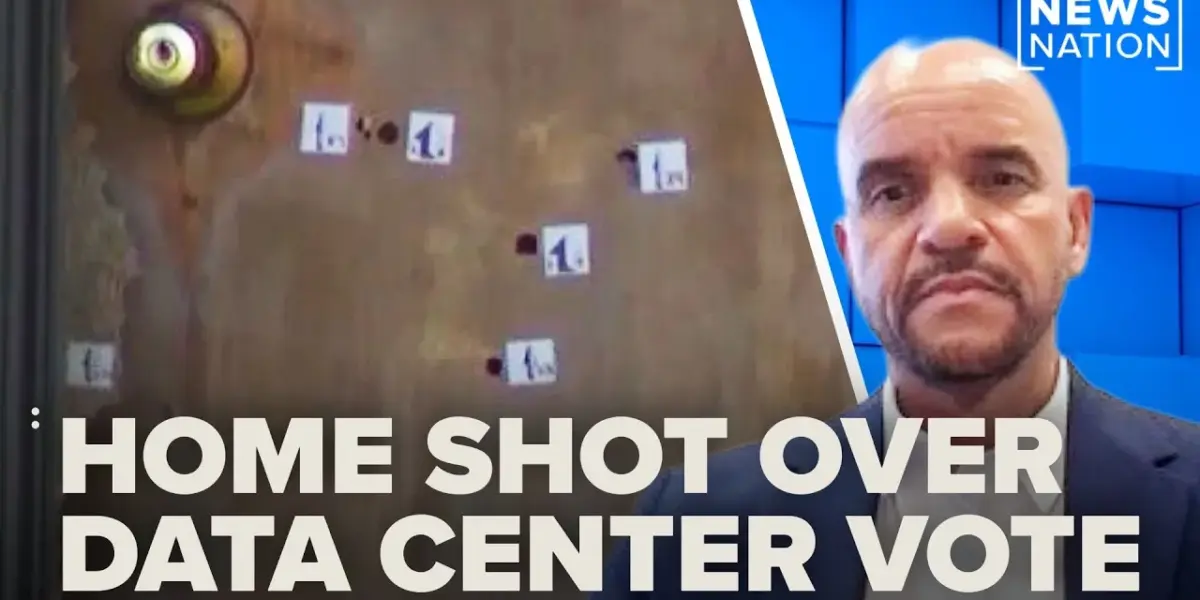
Indianapolis City Councilor Ron Gibson’s home was targeted with gunfire early this week. Thirteen bullets struck his front door. A note left at the scene read, “Know Data Centers.” This disturbing event highlights a growing conflict between technological expansion and community concerns in areas like Indiana.
Councilman Faces Community Anger
Councilman Gibson discovered the damage around midnight. He heard what sounded like breaking glass. Upon investigation, he found his front door riddled with bullets. The note, apparently left by the perpetrator, directly linked the violence to his support for a proposed half-billion-dollar data center in his district. The FBI later reported that 50 shots were fired at his home. Gibson stated that while disagreement is acceptable, violence is never the answer. He prioritized his son’s safety, waiting until morning to call the police after ensuring his son was ready for school.
The Data Center Debate: Jobs vs. Resources
Councilman Gibson defends his support for the data center project. He points to written commitments from the company. These include covering 100% of utility costs, which would prevent higher bills for his constituents. The project also promises construction jobs and labor opportunities. Gibson believes this specific data center is responsible. He noted its closed-loop system, meaning it won’t continuously use large amounts of water. He also mentioned financial incentives and the potential for the company to invest in the community, such as affordable housing and infrastructure improvements.
Rural Voices Speak Out
However, not everyone shares Gibson’s view. Garrett Hawkins, President of the Missouri Farm Bureau, voiced common concerns. He stated that “Big Tech needs to pay attention to and respect the concerns of rural communities.” Hawkins emphasized the importance of protecting resources like energy and water. He also argued that large tech companies should contribute their fair share. “Real Americans shouldn’t be footing the bill for higher energy costs due to data center expansion,” he added. This sentiment reflects a broader debate about the true costs and benefits of data center development in less populated areas.
Seeking Compromise Amidst Tension
Councilman Gibson acknowledges these concerns. He believes a compromise is possible. He reiterated that the company has agreed in writing to cover all utility costs. He also stressed the project’s closed-loop water system, addressing environmental worries. He feels communities should expect more from developers. Gibson suggested that companies seeking tax breaks should offer more in return. This could include investments in affordable housing or infrastructure that directly benefits the quality of life for residents.
Security Heightened and Political Fallout
The incident has understandably shaken the community and city leadership. Fellow council members and city leaders expressed shock and concern. They described the response as bipartisan, with both sides questioning why anyone would resort to such violence. Security measures have been increased across the city, including at government buildings. Police and Homeland Security are investigating the shooting. Councilman Gibson emphasized that while he supports development, he also wants to ensure safety for his neighbors and himself.
Global Impact: The Digital Divide and Local Resistance
This event in Indianapolis is a microcosm of a larger global trend. As demand for digital services grows, so does the need for data centers. These facilities require significant resources, including land, energy, and water. In many cases, they are being built in rural or less developed areas. This can create economic opportunities but also strains local resources and can lead to environmental concerns. Communities are increasingly pushing back, demanding greater transparency and benefit sharing from these massive infrastructure projects. The conflict highlights the tension between the global digital economy and the needs of local populations. It raises questions about how to balance technological advancement with sustainable development and community well-being.
Historical Context: Development vs. Local Rights
Throughout history, large-scale development projects have often faced local opposition. From the construction of dams to highways, the promise of economic growth has sometimes clashed with the concerns of those living in the affected areas. In the digital age, data centers represent a new wave of such development. Historically, decisions about infrastructure were often made with less public input. Today, there is a greater expectation for community consultation and benefit. The debate over data centers echoes past struggles over land use, resource allocation, and the distribution of economic benefits.
Economic Leverage and Future Scenarios
Economic factors are central to this debate. Data centers represent significant investment and job creation, which can be attractive to areas seeking economic revitalization. However, the cost of energy and water consumption can be substantial, impacting local utilities and potentially leading to higher prices for other consumers. Companies often seek tax incentives and other benefits, leading to negotiations over the project’s net value to the community. Future scenarios could see increased regulation of data center development, requiring more thorough environmental impact studies and community benefit agreements. Alternatively, if economic pressures mount, some areas might relax regulations to attract investment, potentially leading to further conflict. The balance between attracting tech investment and protecting local resources remains a key challenge.
Source: Shots fired at Indianapolis councilman's home after data center approval | NewsNation Live (YouTube)

Related Articles


States Block AI Data Centers Amid Federal Pushback
More than 10 states are pushing back on new data center construction, creating a conflict between national AI goals and local concerns. This resistance could impact the pace of AI development and investor expectations.

AI Race Demands 160% More Power by 2030
The AI boom is projected to drive a 160% surge in data center power demand by 2030, straining existing energy grids. Ameresco CEO George Sakellaris emphasizes the need for independent "inside the fence" energy infrastructure development to meet this demand.

Brooklyn Fights Back: Shelters Spark Resident Outrage
Brooklyn residents are protesting the construction of homeless shelters, citing safety concerns and potential profit motives by developers. Intense demonstrations, including blocking construction vehicles, highlight a growing conflict between community needs and the city's efforts to house its homeless population.