Dalio Warns of US Debt Crisis: $38.7 Trillion Debt Looms
Ray Dalio warns of an impending US debt crisis, with the national debt at $38.7 trillion. He outlines predictable economic cycles and escalating global conflicts, advising investors to consider assets beyond traditional debt instruments.

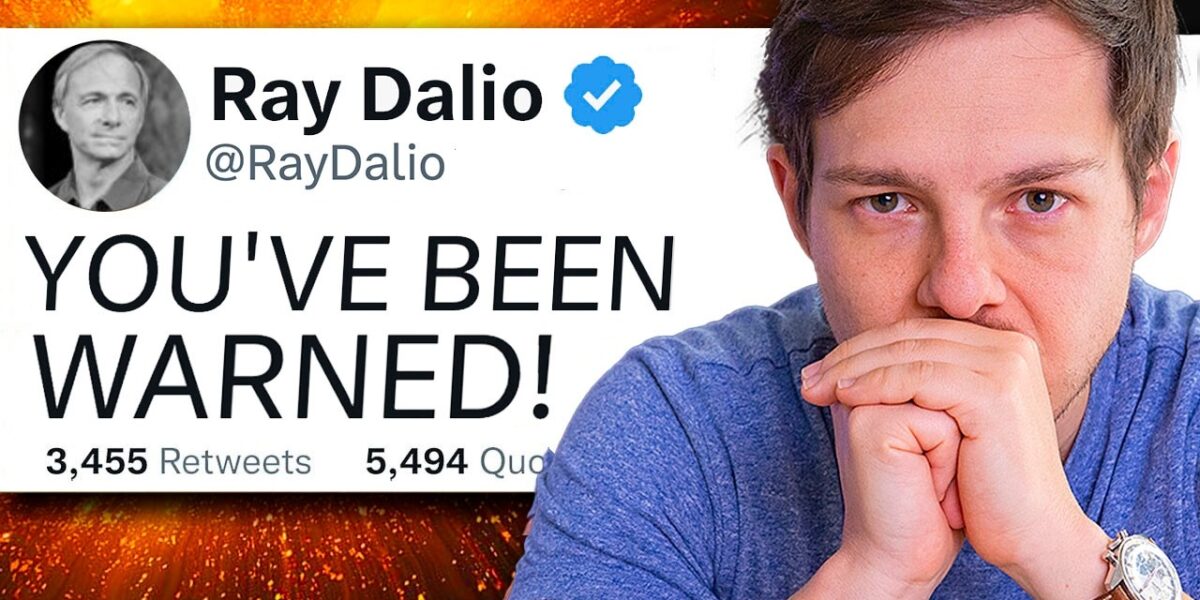
Dalio Warns of US Debt Crisis: $38.7 Trillion Debt Looms
Billionaire investor Ray Dalio, known for his insights into economic cycles, has issued a stark warning regarding the United States’ escalating debt situation. Dalio posits that the nation is on an unsustainable fiscal path, potentially leading to a significant financial reset. With the U.S. national debt now standing at approximately $38.7 trillion, a figure that grows by an estimated $8 billion daily, the implications are profound, particularly as annual interest payments alone have surpassed $1 trillion, exceeding the entire national defense budget.
Understanding Economic Cycles and the Debt Spiral
Dalio’s framework centers on predictable six-stage economic cycles that nations typically navigate. These cycles begin with the establishment of a new world order, followed by a phase of growth and peak prosperity. However, beneath the surface of prosperity, debt accumulation, wealth inequality, and financial speculation often outpace real productivity, leading to financial imbalances.
- Stage 1: New World Order Begins – Often follows a major crisis, establishing a new global economic framework.
- Stage 2: Growth Phase – Characterized by rising opportunities, wealth creation, and optimism.
- Stage 3: Peak Prosperity and Power – The nation’s currency becomes dominant, financial markets lead, and living standards are high, but debt begins to rise.
- Stage 4: Financial Imbalances – Debt outpaces income, asset bubbles form, inequality intensifies, and trust in institutions declines.
- Stage 5: Conflict and Disorder – Social unrest increases, rival powers challenge the dominant nation, and currency devaluations may occur. Dalio previously flagged this stage in 2022.
- Stage 6: New World Order – The final phase before a reset, where unsustainable debt, money printing, and unrest force a restructuring of debt and potentially currency devaluation.
Currently, Dalio argues that the U.S. is deep into Stage 4 and potentially entering Stage 5, with the escalating debt being a primary driver. The sheer magnitude of the debt, approximately $113,000 per citizen, underscores the severity of the situation. Dalio predicts that future generations will be burdened with paying off this debt, likely through devalued currency, a common outcome in historical debt crises.
The Five Types of Global Conflict
As global power balances shift, Dalio outlines five escalating forms of conflict that can precede direct military confrontation:
- Trade and Economic Wars: Nations employ tariffs, export restrictions, and supply chain pressures to weaken adversaries.
- Technology Wars: Competition for dominance in critical technologies like AI, semiconductors, and energy resources, exemplified by U.S. restrictions on China’s access to advanced chips.
- Capital Wars: The use of financial warfare, including sanctions and asset freezes, to impede an opponent’s economic activities.
- Geopolitical Wars: Competition for influence through alliances, defense agreements, and diplomatic maneuvering over strategic regions or trade routes.
- Military Wars: The ultimate resort, typically occurring after prolonged economic, political, and technological conflicts.
The current geopolitical landscape, marked by increasing global tensions and strategic competition, aligns with these escalating conflict types, suggesting a heightened risk environment.
Potential Scenarios for the US Debt Crisis
Dalio proposes three potential paths forward for the U.S. to address its debt crisis:
Path 1: The Disorderly Decline
This scenario involves inaction on deficit spending, leading to an unsustainable debt burden. The eventual outcome would be forced currency devaluation or default to maintain the system. This path risks significant market corrections (potentially 20-40%), substantial losses for debt holders, and a rapid shift in global economic power.
Path 2: The Managed Decline
Requiring bipartisan cooperation, this path involves implementing fiscal reforms, such as Dalio’s proposed ‘3% Solution,’ to reduce the deficit through spending cuts and revenue increases. While this could slow economic growth, it would enhance stability, allowing the U.S. to remain a leading power, albeit not the sole dominant force.
Path 3: The Renewal
This optimistic, yet less likely, scenario envisions national unity, increased productivity through advancements like AI, a narrowing wealth gap, and a strengthening of the current economic cycle. It requires a level of societal cohesion that has been difficult to achieve.
The Role of AI and Investment Implications
The potential for Artificial Intelligence to dramatically boost productivity (5-10 times in certain sectors) offers a theoretical pathway to alleviate debt pressures and foster widespread prosperity. However, this hinges on the equitable distribution of AI-driven gains. If the benefits accrue only to a select few, it could exacerbate inequality.
In light of these potential challenges, Dalio advises a shift away from traditional investments like bonds and treasuries, which are vulnerable to inflation and currency devaluation. Instead, he recommends assets that cannot be easily printed into oblivion. Historically, gold has served as a hedge against such crises, and its recent price movements suggest investors are already heeding this advice. While Dalio did not specifically mention cryptocurrencies, the underlying principle is to seek assets with intrinsic value that are not susceptible to government monetary policy.
Market Impact and Investor Considerations
Dalio’s warnings suggest a period of heightened market volatility and a potential re-evaluation of asset classes. Investors are cautioned against assuming the status quo will persist.
- Diversification is Key: Rather than concentrating on a single asset, spreading investments across various asset classes can provide resilience.
- Long-Term Perspective: Dalio’s cyclical analysis suggests these transitions can unfold over decades, not just months or years. Early warnings do not necessarily imply immediate collapse.
- Beyond Traditional Assets: Consider assets with tangible value or those historically resilient during periods of economic stress, such as precious metals.
- Adaptability: The core message is that individuals and economies that adapt to changing circumstances are best positioned to navigate shifts in the financial order.
While the prospect of a financial reset can seem daunting, understanding the predictable patterns of economic cycles and the potential conflict escalation points can empower investors to prepare for a changing global landscape. The emphasis remains on preparedness and adaptability rather than succumbing to a doomsday narrative.
Source: “America’s $38 Trillion Financial Reset Has Begun – Do This Now!” Ray Dalio’s Final Warning (YouTube)

Related Articles

Russia’s Hidden Debt Crisis: A Silent Drain on Citizens
Russia is reportedly accumulating significant debt through complex financial schemes, which critics argue are subtly draining resources from its citizens. The government's reliance on borrowing, coupled with inflation and rising interest rates, is placing a growing burden on ordinary Russians.
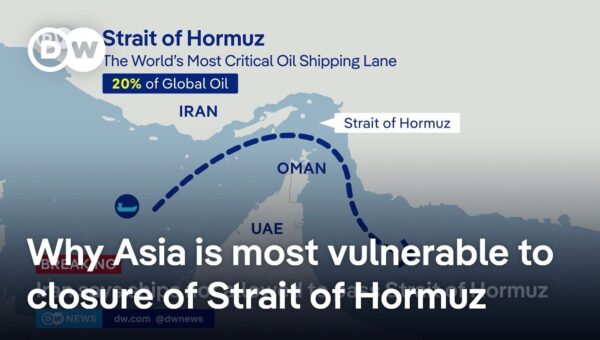
Iran Strait of Hormuz Blockade Threatens Global Oil Prices
Iran's Revolutionary Guard has issued warnings against ships passing through the Strait of Hormuz, a critical global oil chokepoint. This potential blockade threatens to disrupt 20% of the world's crude oil flow, potentially spiking energy prices and fueling global inflation. Experts warn of significant market reactions and widespread economic consequences.


Shrinkflation and Greedflation: Why Your Goods Cost More
Consumers are increasingly facing smaller products at higher prices due to shrinkflation and greedflation. This article explores the tactics companies use, their impact on consumers, and potential regulatory and consumer-led solutions.