Cubans Rage at Party Office Amid Widespread Blackouts
Anti-government protesters in Cuba attacked a Communist Party office amid worsening nationwide blackouts. The incident highlights deep public frustration over the island's ongoing energy crisis and broader economic hardships, marking a significant escalation of dissent.

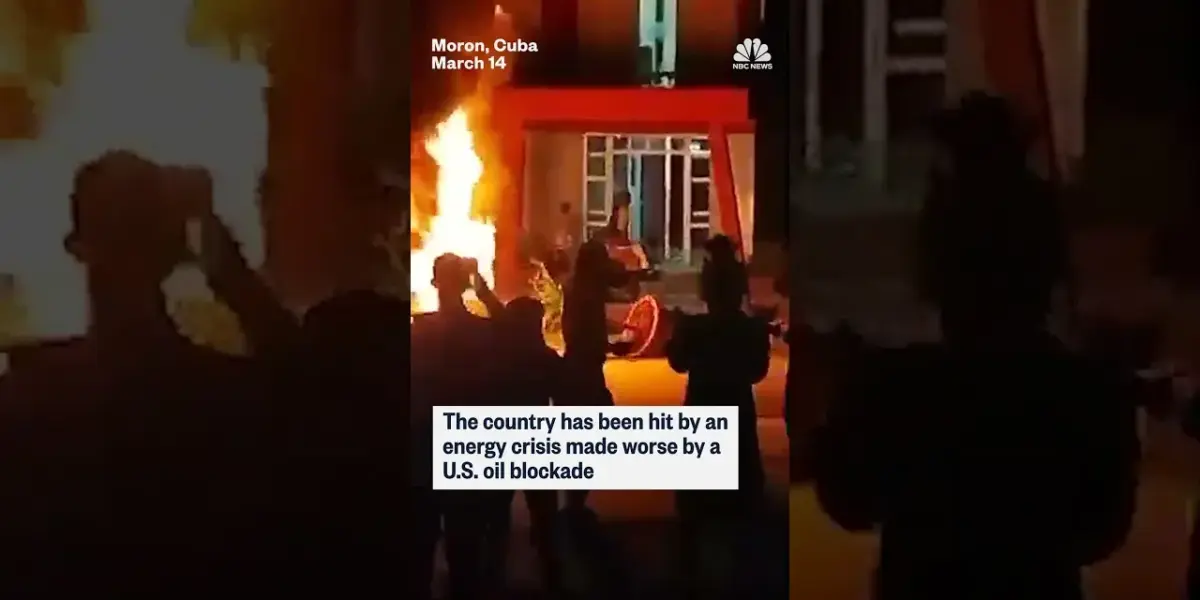
Protesters Target Communist Party Building Amid Energy Crisis
Havana, Cuba – Anti-government sentiment boiled over in Cuba as a group of protesters launched an attack on a local Communist Party office. The incident, which occurred amidst a severe and worsening nationwide blackout, marks a significant escalation of public discontent against the ruling party’s handling of the island’s deepening economic and energy crises. The exact date of the incident was not specified in the source material, but it reflects a period of intense frustration among Cubans struggling with prolonged power outages.
Roots of the Unrest: Blackouts and Economic Hardship
The protests are inextricably linked to the escalating power outages plaguing Cuba. For weeks, residents have been subjected to lengthy and unpredictable blackouts, some lasting for many hours each day. These outages cripple daily life, impacting everything from refrigeration and cooking to communication and business operations. The government has cited a combination of factors for the energy deficit, including aging infrastructure, fuel shortages exacerbated by the ongoing U.S. embargo, and technical failures at power plants.
However, for many Cubans, these explanations offer little solace as they endure increasingly difficult living conditions. The energy crisis is just one facet of a broader economic downturn that has seen shortages of essential goods, soaring inflation, and a general decline in living standards. This pervasive hardship has fueled a growing wave of anger and resentment towards the Communist Party, which has governed Cuba for over six decades.
The Attack on the Party Office
The targeting of a Communist Party office represents a direct confrontation with the symbols of state power. While details about the scale of the protest and the specific actions taken at the office were not extensively provided, the act itself signifies a bold challenge to the established order. Such demonstrations, particularly those involving direct action against party infrastructure, are rare in Cuba due to strict government controls on public assembly and dissent.
The Communist Party of Cuba is the sole legal political party on the island, and its offices are seen as the physical embodiment of its authority. An attack on such a facility underscores the depth of frustration and the perceived failure of the party to address the fundamental needs of its citizens. The event likely prompted a swift and firm response from Cuban authorities, although specific details of any arrests or repercussions were not immediately available.
Broader Context: A History of Dissent
While this recent incident highlights current grievances, it is part of a longer history of popular discontent in Cuba. The island has experienced periods of unrest before, notably in July 2021, when widespread protests erupted across the country, also driven by economic hardship and dissatisfaction with the government’s response to the COVID-19 pandemic. Those demonstrations were the largest seen in decades but were ultimately suppressed by the authorities.
The current wave of protests, manifesting in actions like the attack on the party office, suggests that the underlying issues have not been resolved and may be reaching a boiling point. The government faces a delicate balancing act: attempting to quell dissent while simultaneously trying to navigate a complex economic landscape and maintain social stability.
Government Response and International Scrutiny
The Cuban government has historically responded to public protests with a combination of dialogue, promises of reform, and, when deemed necessary, a firm hand to restore order. The official media typically frames such events as orchestrated by external forces seeking to destabilize the country, often pointing to the United States and its long-standing embargo as a primary cause of Cuba’s economic woes.
Internationally, the situation in Cuba continues to draw attention. Human rights organizations and various governments monitor the island’s affairs, often expressing concerns about freedom of expression and assembly. The ongoing economic challenges and the government’s response to internal dissent are likely to remain subjects of international discussion and concern.
Looking Ahead
The attack on the Communist Party office serves as a stark indicator of the public’s escalating frustration in Cuba. As the energy crisis persists and economic hardships continue, the potential for further unrest remains high. The government’s ability to provide tangible solutions to the blackouts and shortages will be critical in determining the trajectory of public sentiment and the likelihood of future confrontations. The coming weeks and months will be crucial in observing whether the authorities can alleviate the immediate crisis and address the deeper systemic issues that fuel such public anger.
Source: Anti-government protesters in Cuba attack Communist Party office (YouTube)

Related Articles


Cuba Crumbles Under Blackouts, Fuel Shortages
Cuba is facing a severe crisis marked by nationwide blackouts and critical fuel shortages, impacting millions of lives. The situation has led to protests, delayed medical care, and a mass exodus of Cubans from the island.

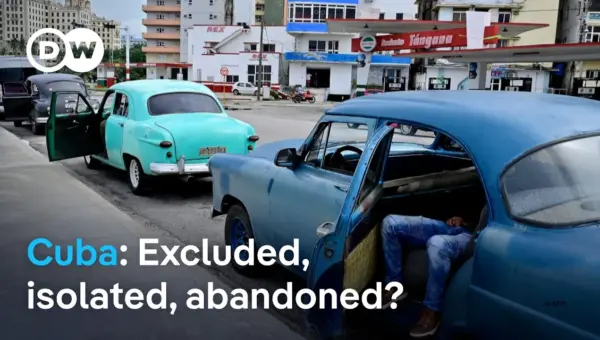
Cuba Faces Crisis as Old Allies Flee US Pressure
Cuba is facing an unprecedented economic crisis and humanitarian emergency as its traditional allies in Latin America withdraw support under U.S. pressure. The cutoff of Venezuelan oil, coupled with a shifting regional political landscape, has left the island increasingly isolated with few options for aid.
US Power Grid Faces Blackout Risk as Demand Surges
America's electrical grid faces a growing risk of blackouts due to surging demand from AI and data centers. Grid operators warn that aging infrastructure and a lack of new generation capacity are creating a "perfect storm." Solutions are being explored, but immediate action and consumer conservation are crucial.