Cuban President Rejects US Demand to Step Down
Cuban President Miguel Díaz-Canel has rejected a demand from the Trump administration for him to step down, asserting that Cuban leaders are elected by their people and not subject to U.S. government mandates. He criticized U.S. policy as hostile and called for unconditional dialogue.

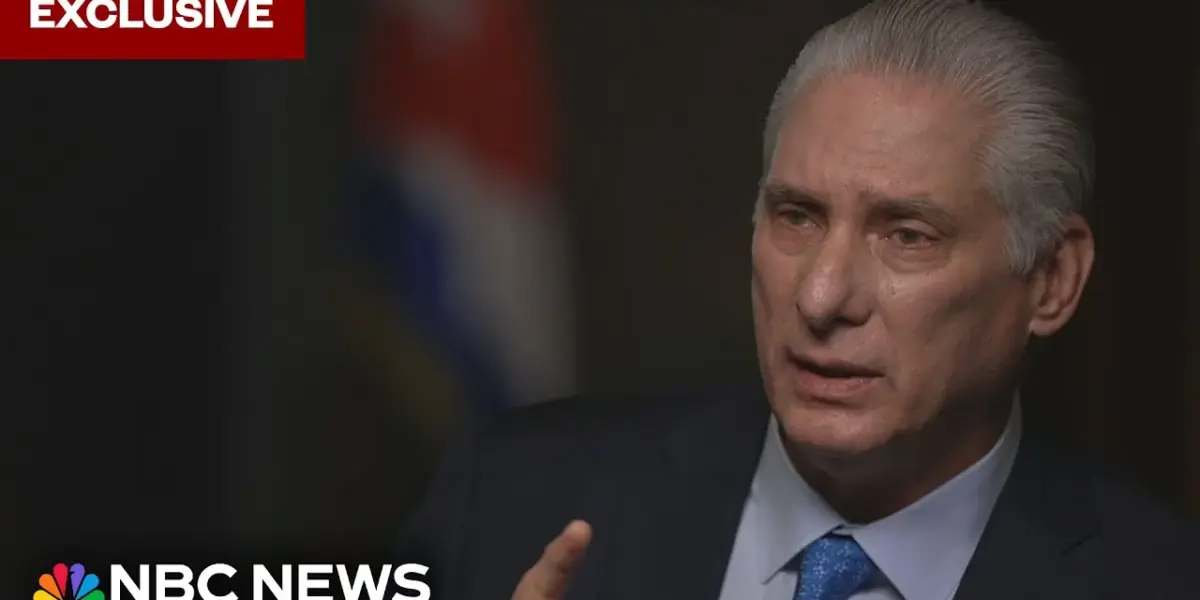
Cuban President Rejects US Demand to Step Down
Cuban President Miguel Díaz-Canel firmly rejected a demand from the Trump administration for him to step down, stating that Cuban leaders are elected by their people, not the U.S. government. The president made these remarks in response to a direct question during an interview, highlighting Cuba’s sovereignty and self-determination.
“Not Elected by the U.S. Government”
During a press conference, a journalist posed a difficult question to President Díaz-Canel: “Would you be willing to step down if it meant saving Cuba?” The journalist explained that this was a condition the United States was asking for, seeking political change in Cuba.
President Díaz-Canel responded by questioning the journalist, asking if she had posed the same question to other world leaders. He suggested the question might be coming from the U.S. State Department, implying external influence. “The people who are in leadership positions here are not elected by the U.S. government and they don’t have a mandate from the U.S. government,” he stated clearly.
Cuba’s System of Governance
The Cuban president emphasized that Cuba is a free and sovereign state with self-determination. He asserted that Cuba is not subject to the designs of the United States. He explained the Cuban leadership’s election process, which he described as grassroots-driven.
“Before we become part of a leadership role, we need to be elected at the grassroots level in an electoral district by thousands of Cubans,” Díaz-Canel explained. “Then, those who represent the Cubans at the National Assembly of People’s Power elect those leadership positions.” He compared this to electoral systems in many other countries around the world.
He further clarified that taking on leadership responsibilities is not driven by personal, corporate, or party ambition. Instead, it is undertaken as a mandate from the Cuban people. “The concept of revolutionaries giving up and stepping down is not part of our vocabulary,” he added.
Response to the Cuban People
President Díaz-Canel stated that he would respond to the Cuban people if they felt he was unfit for office. “If the Cuban people understand that I am not fit for office, that I have not risen to the occasion, then I should not be holding this position of President,” he said. However, he stressed that the focus should not solely be on the president.
He pointed out Cuba’s system of collegiate leadership, which he described as being closely linked to the people. “It’s not the United States that can impose anything on us,” he reiterated.
Criticism of U.S. Policy
The Cuban president sharply criticized the U.S. government’s policy towards Cuba. He argued that the U.S. government, which has implemented a hostile policy against Cuba, has no moral standing to demand anything from the island nation. He questioned their sincerity in expressing concern for the Cuban people’s situation.
“They have no moral, not even to say that they are concerned about the situation of the Cuban people,” Díaz-Canel stated. He argued that the U.S. government shares responsibility for Cuba’s current situation due to its policies.
Call for Dialogue, Not Demands
President Díaz-Canel proposed a different approach for U.S.-Cuba relations. He urged the U.S. to understand the cost of its policies on the Cuban people. He believes the U.S. should recognize how much it has deprived its own people of a normal relationship with Cuba.
He reiterated Cuba’s consistent request for dialogue. “We are interested in engaging in dialogue and discussing any topic without any condition,” he said. He specifically mentioned not demanding changes to Cuba’s political system, just as Cuba does not demand changes to the American system. “We have a number of doubts and a number of considerations” about the U.S. system, he noted.
The president concluded by suggesting a focus on common ground. “What brings us together and what can create spaces of understanding in order to move away from confrontation and having a path forward for both countries of benefits of friendship and solidarity,” he proposed.
Looking Ahead
President Díaz-Canel’s strong rejection of external demands signals Cuba’s continued commitment to its sovereignty. The ongoing tension between the U.S. and Cuba, marked by U.S. sanctions and Cuban resistance, remains a significant factor in regional politics. Future developments will likely depend on whether the U.S. shifts its approach towards dialogue or maintains its pressure, and how Cuba continues to assert its right to self-determination.
Source: Exclusive: Cuban president reacts to Trump admin’s call for him to step down (YouTube)

Related Articles
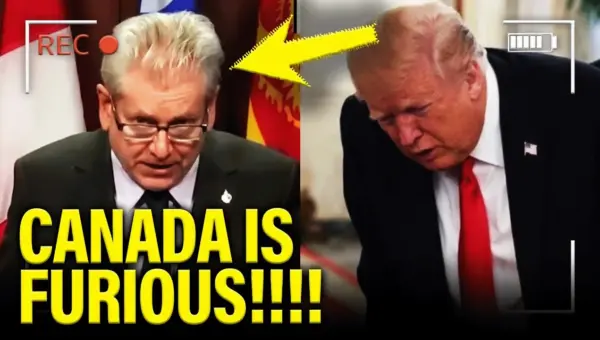
Canadian MP’s Fiery Speech Challenges U.S. Leadership
Former Canadian MP Charlie Angus delivered a powerful speech in Ottawa, criticizing Donald Trump's actions and urging global democratic action. He outlined ten steps for Canadians to protect their sovereignty and democracy.
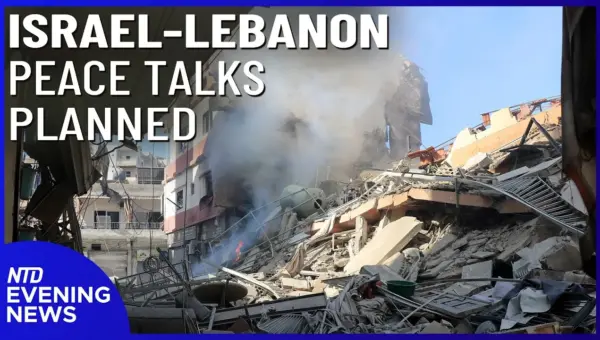
Trump Eyes Iran Peace Amidst Shifting Mideast Alliances
Former President Donald Trump expressed optimism about a potential Iran ceasefire, a move that could signal a shift in U.S. foreign policy. This comes as Israel and Lebanon prepare for crucial border talks, highlighting a complex regional landscape seeking stability.
Leavitt Admits “Who the Hell Knows?” on Iran Deal
Karoline Leavitt, a spokesperson, recently admitted "Who the hell knows?" when asked about the US stance on an Iran deal. This candid statement suggests a high level of uncertainty surrounding future actions. It raises concerns about the predictability of foreign policy in high-stakes situations.