Cuba Vows Fierce Resistance to U.S. Invasion Threats
Cuban President Miguel Díaz-Canel issued a strong warning against U.S. invasion, vowing fierce resistance and sacrifice. He highlighted Cuba's resilience under a decades-long blockade, rejected narratives of collapse, and detailed the nation's defensive strategies and efforts to overcome economic hardship.

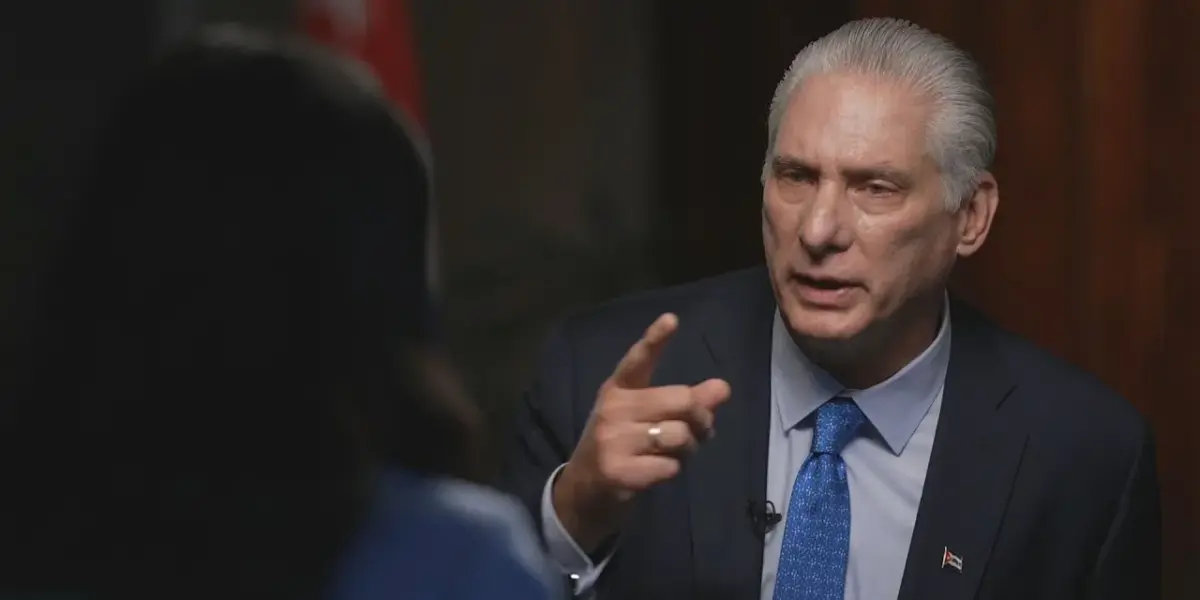
Cuban President Issues Stark Warning Amid U.S. Tensions
Cuban President Miguel Díaz-Canel has issued a defiant warning to the United States, stating that Cuba is prepared to fight and even die to prevent any invasion. Speaking in a recent interview, Díaz-Canel addressed aggressive rhetoric from U.S. officials, emphasizing Cuba’s deep-rooted values of sovereignty and independence. He invoked historical figures, quoting General Antonio Maceo: “Whoever tries to take over Cuba will collect her blood soaked soil if it doesn’t perish in the struggle.” The President stressed that while Cuba seeks peace and cooperation, it will resolutely defend its sovereignty.
Rejection of ‘Failed State’ Narrative
Díaz-Canel also pushed back against portrayals of Cuba as a failing nation on the brink of collapse. He highlighted Cuba’s resilience over 67 years, enduring immense pressure and a decades-long U.S. blockade, which he described as “genocidal” and “criminal.” He asserted that the Cuban people and revolution are prepared to defend themselves, dismissing the idea that removing a single leader would solve anything due to Cuba’s strong, unified, and collegiate leadership structure.
“We are a country of peace. We do not promote war. We do not like war, we encourage solidarity and cooperation among the peoples, but we are willing to defend that peace that we want.”
No Fear of Personal Harm
When questioned about fears for his personal safety, similar to events in other nations, Díaz-Canel stated he has no fear and is willing to give his life for the revolution. He believes the American people are sensitive and would not support an invasion of a small island nation that poses no security threat. He argued that an invasion would be irrational, costly in terms of lives, and destabilizing for the region, emphasizing dialogue as the logical path forward.
Defense Doctrine: “War of All the People”
Cuba is actively preparing for defense, not as an aggressor, but through a doctrine called the “War of All the People.” This strategy, built on historical experience and collective participation, assigns a role to every Cuban in defending the nation. Díaz-Canel explained that this approach is entirely defensive and aims to deter conflict by ensuring any invasion would be unsustainable and met with fierce resistance. He also expressed hope for a good relationship between the American and Cuban people, based on peace, trust, and cooperation, rather than confrontation.
Addressing the Oil Blockade
The President also discussed the U.S. oil blockade, calling it an unfair, multi-dimensional aggression that intensifies the overall economic warfare against Cuba. He noted the arrival of a Russian tanker, framed as humanitarian aid, but stressed it only covers a third of Cuba’s monthly needs. Cuba is working to increase its own oil production, explore new reservoirs, and is open to foreign investment, including from American firms, despite the blockade’s restrictions.
Resilience and Innovation Amid Hardship
Díaz-Canel strongly rejected the notion that Cuba is on the verge of collapse, pointing to its 67 years of endurance under constant U.S. pressure. He highlighted achievements in healthcare, education, culture, and science, including the development of its own COVID-19 vaccines, which he stated had better outcomes than in the U.S. He acknowledged the hardships faced by the Cuban people due to the intensified blockade and oil embargo but insisted the government is not to blame, attributing the suffering to U.S. policy.
Comparison with China and Vietnam
When asked why Cuba cannot embrace market economies like China and Vietnam while maintaining one-party rule, Díaz-Canel explained that while Cuba studies these models, its unique circumstances as an island nation 90 miles from the U.S. and under a constant, decades-long blockade present significant challenges. He argued that lifting the blockade would allow Cuba to demonstrate its true potential for economic and social development, proving that alternative models are possible.
Path Forward: Lifting the Blockade
The core of Cuba’s path forward, according to President Díaz-Canel, lies in the lifting of the U.S. blockade. He believes that without this “genocidal” and “criminal” policy, Cuba could achieve significant economic and social progress, showcasing its capabilities and offering a viable alternative model to the world. He urged a critical look at the narrative surrounding Cuba, emphasizing the resilience and determination of the Cuban people to overcome adversity.
Source: Cuban president says ‘if we need to die, we’ll die’ to prevent U.S. invasion: Full interview (YouTube)

Related Articles
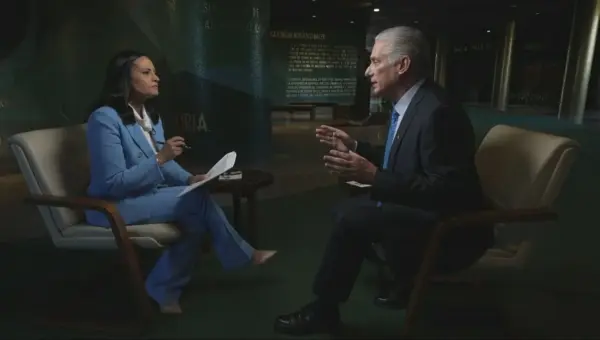
Cuba Rejects U.S. Demands on Prisoners, Elections
Cuban President Miguel Díaz-Canel rejected U.S. demands for releasing political prisoners and holding multi-party elections, calling them internal matters not subject to negotiation. He attributed the suffering of the Cuban people to the U.S. blockade, not to internal policies or his leadership.
Pakistan Mediates US-Iran Peace Talks Amid Shifting Alliances
Pakistan is stepping into a critical mediation role between the United States and Iran, leveraging its unique position and historical ties. Once known for harboring Osama bin Laden, the nation now seeks to broker peace amid escalating tensions, supported by its military leadership and influenced by China's regional strategy. Despite these efforts, hopes for a lasting resolution remain limited, highlighting America's shifting global standing and the severe economic impact on developing nations.
US-Iran Talks Collapse Amid Threats, Escalating Tensions
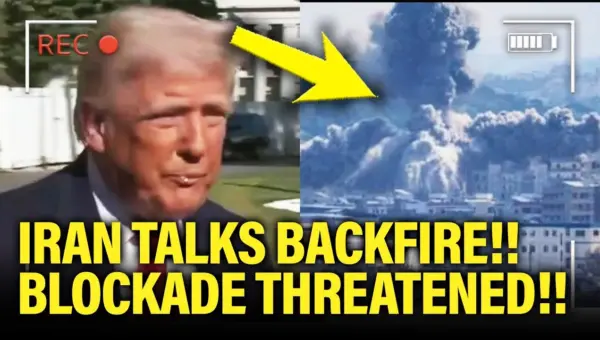
U.S.-Iran negotiations in Pakistan have collapsed following alleged U.S. attempts to alter a prior agreement. This breakdown has led to threats of a naval blockade and raises concerns about global economic stability and shifting geopolitical alliances, particularly regarding China's growing influence.