Cuba Reports Deadly Sea Clash With Florida Boat
A Florida-registered speedboat carrying armed Cuban nationals attempting to 'infiltrate' Cuba was intercepted by the Cuban Coast Guard, resulting in a deadly confrontation. The incident, which involved a seizure of weapons and led to casualties, has heightened tensions between Havana and Washington.

Cuba Reports Deadly Sea Clash With Florida Boat
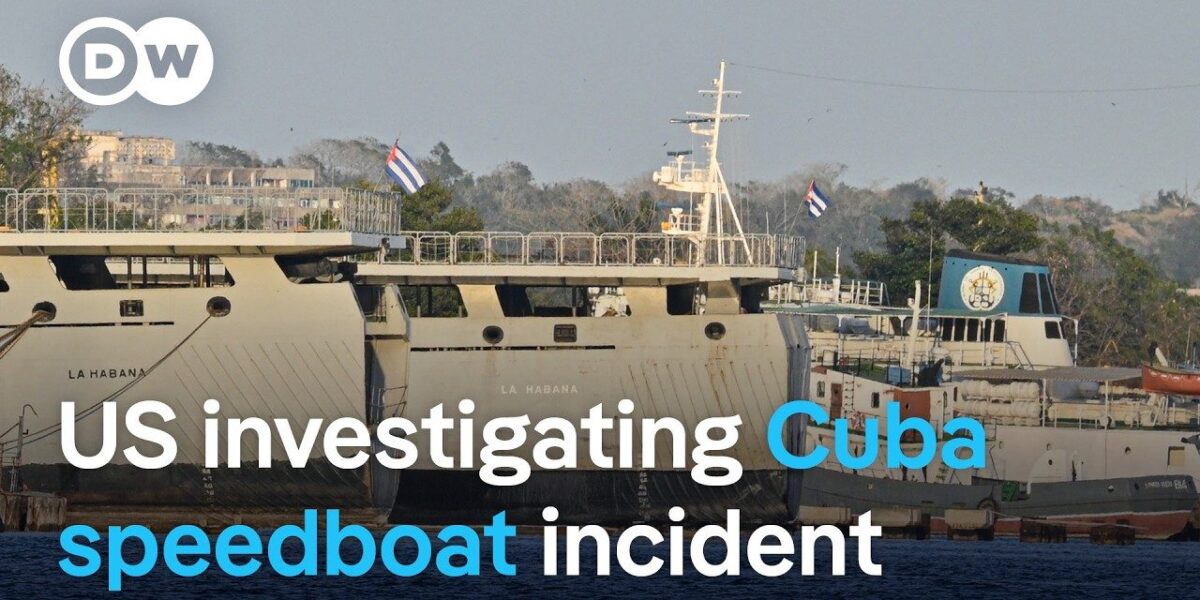
HAVANA, CUBA – A tense maritime incident unfolded off Cuba’s northern coast when a speedboat registered in Florida, allegedly carrying armed individuals intent on infiltration, entered Cuban territorial waters, leading to a deadly confrontation with the Cuban Coast Guard. The incident, which resulted in fatalities and injuries, has further strained already fraught relations between Havana and Washington.
Cuban Authorities Detail Infiltration Attempt
Cuba’s Interior Ministry stated that a U.S.-registered vessel entered its territorial waters near Corayo, off the northern coast of central Cuba. Upon intercepting the vessel, Cuban Coast Guard forces reportedly came under fire from individuals on board. Preliminary reports indicate that the speedboat was carrying 10 armed individuals, described by Cuban state media as intending to carry out a “terroristic infiltration.”
During the ensuing exchange, Cuban authorities reported that shots were fired from the speedboat, wounding a Cuban commander. The operation by Cuban forces led to the seizure of a significant cache of weaponry and equipment, including assault rifles, handguns, homemade explosive devices, Molotov cocktails, bulletproof vests, telescopic sights, and camouflage uniforms. According to Cuban authorities, all individuals aboard the vessel were Cuban nationals residing in the United States, with many reportedly having prior records of criminal and violent activity.
Wounded survivors of the confrontation are currently receiving medical treatment at a hospital in the Cuban city of Santa Clara.
U.S. Response and Verification Efforts
The incident occurred amidst high-level diplomatic activity, as U.S. Secretary of State Marco Rubio was meeting with leaders of the Caribbean Community (CARICOM) bloc to discuss regional stability and economic pressures. Washington had also recently announced measures to ease certain aspects of its oil embargo on Cuba.
Senator Rubio, a Cuban-American and vocal critic of the Cuban government, acknowledged the incident and stated that U.S. agencies are actively working to verify the details provided by Cuban authorities. “The majority of the information we still possess is what Cuban authorities are providing both the public and the U.S. government,” Rubio commented. “We have our embassy on the ground in Havana working this as we speak, asking for access to the people that were on those vessels, if they were American citizens or permanent residents, according to the Cuban uh, regime that the boat was registered in Florida.”
Rubio emphasized the unusual nature of such a confrontation at sea, noting, “It is highly unusual to see shootouts in open sea like that. It’s not something that happens every day. It’s something, frankly, that hasn’t happened with Cuba uh, in a very long time.”
Context and Historical Parallels
Lilian Guerrera, a professor of history at the University of Florida specializing in Cuban history, provided crucial context for the event. She noted that while many details are still unverified by independent sources, certain elements have been corroborated by Miami-based media and authorities. The boat, she confirmed, was registered in Miami to a 65-year-old owner who is reportedly still in Miami.
“The organization responsible is one called Alto Dea Pueblo which is relatively new. Its goal is effectively to land people in Cuba. It claims to have a kind of clandestine network of supporters already on the island who are actively subverting the the regime.”
– Lilian Guerrera, Professor of Cuban History, University of Florida
Guerrera further explained that some of the individuals named by the Cuban government have been identified as members of this organization, Alto Dea Pueblo. One individual, identified by the surname Sanchez Gonzalez, is reported to be a founder and president of the organization and is currently in Cuban custody.
The professor highlighted that such paramilitary incursions have a complex and often volatile history in U.S.-Cuba relations. The United States has not officially sanctioned such operations since the end of Operation Mongoose (1960-1965), a covert CIA operation aimed at destabilizing the Cuban government. Following the termination of Mongoose, paramilitary organizations, feeling abandoned by the U.S. government, continued such operations with limited success, often resulting in the capture of participants by Cuban authorities.
A significant historical precedent occurred on February 24, 1996, when two planes belonging to the organization Brothers to the Rescue were shot down by Cuban MiGs, resulting in the deaths of four individuals. This incident led to the Clinton administration making the U.S. embargo against Cuba permanent through congressional action, transforming it from an executive policy to one that requires an act of Congress to be lifted.
Guerrera distinguished the current incident from earlier, non-political maritime events, such as a 2002 shootout involving a drug-carrying speedboat from Miami and the Cuban Coast Guard, and another incident in the same year where a boat carrying approximately 10 people was fired upon, resulting in at least five deaths. “This one is very unlikely to have had anything to do with US intelligence,” Guerrera stated, “but that doesn’t mean that it doesn’t have tremendous implications.”
Implications for U.S.-Cuba Ties
The incident arrives at a sensitive juncture in U.S.-Cuba relations, which are characterized by significant political and economic tensions. Senator Rubio’s remarks on the same day, linking the demands of the Cuban exile community for change with the Trump administration’s policies, underscore the ongoing complexities.
While the U.S. government has stated that no American personnel were involved and has committed to its own investigation, the event serves as a stark reminder of the enduring friction between the two nations. The outcome of the U.S. investigation and Cuba’s handling of the detained individuals will be closely watched for their potential impact on diplomatic engagement and policy adjustments.
Looking Ahead
As U.S. officials work to independently verify the circumstances surrounding the speedboat incident, the focus remains on the implications for bilateral relations. The transparency of Cuba’s investigation, the access granted to U.S. authorities, and the potential legal ramifications for the detained Cuban nationals residing in the U.S. will be critical factors shaping future U.S.-Cuba policy and regional stability.
Source: Speedboat shooting incident: Cuba says Florida-registered boat was trying to ‘infiltrate’ country (YouTube)

Related Articles

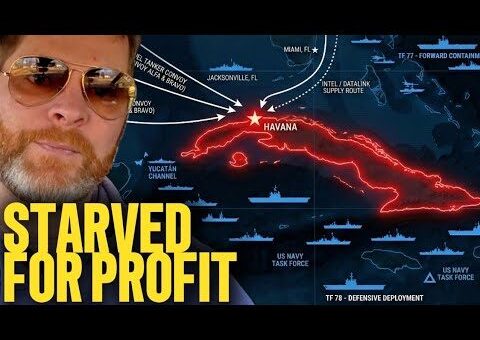
US Accused of Manufacturing Cuba Crisis for Wall Street Profit
The United States is accused of manufacturing a severe humanitarian crisis in Cuba by cutting off fuel supplies, aiming to destabilize the government and create a profitable market for American oil corporations. Critics decry this strategy as a "mafia shakeddown" that prioritizes Wall Street profits over human well-being, drawing parallels to domestic U.S. policies.
Middle East on Edge: Iran Retaliates Amid Regional Instability
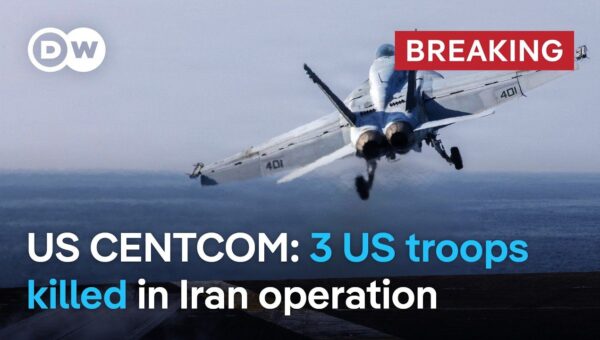
Iran has launched retaliatory strikes against Israel and US bases in the Gulf following the reported assassination of Supreme Leader Ayatollah Ali Khamenei. The attacks have resulted in US casualties and heightened regional anxiety, with neighboring countries bracing for potential spillover effects. The escalating crisis has exposed divisions within Iran and prompted diplomatic efforts to prevent a wider conflict.


Germany Navigates Tricky US-China Balancing Act
Germany faces a complex geopolitical challenge, needing to balance its alliance with the US and its economic ties with China. Experts suggest a 'smart approach' focusing on diversification and strategic autonomy, rather than a forced choice, is the most viable path forward.