Cuba Rejects ‘Surrender’ Amid U.S. Pressure, Seeks Dialogue
Cuban Ambassador to the UN Ernesto Soberron Guzman stated that 'surrender' is not in the Cuban dictionary amid U.S. pressure. He detailed severe humanitarian impacts from the U.S. oil blockade, including delayed surgeries and food shortages. Cuba remains open to dialogue with the U.S. but insists on respecting its sovereignty and internal affairs.


Cuba Faces U.S. Sanctions, Ambassador Vows Resistance
Cuba is facing significant pressure from the United States, including a U.S.-backed oil blockade. This policy has severely impacted the island nation’s humanitarian conditions, according to Cuba’s Ambassador to the United Nations, Ernesto Soberron Guzman. The U.S. has used this pressure to push Cuba to release prisoners, a move described by the U.S. as a humanitarian and sovereign gesture. However, Ambassador Guzman firmly stated that ‘surrender’ is not in the Cuban dictionary, vowing resistance against external demands.
Humanitarian Crisis Deepens Under U.S. Blockade
Ambassador Guzman detailed the dire humanitarian consequences of the U.S. sanctions. He highlighted that 100,000 patients, including 11,700 children, are on waiting lists for surgery. Doctors are forced to delay life-saving procedures not due to a lack of medical professionals or facilities, but because the U.S. government threatens sanctions on third countries that sell oil to Cuba. This lack of oil, essential for medical equipment and services, also affects 60,000 patients undergoing radiotherapy and 3,000 patients on hemodialysis.
“We have 100,000 patients in a waiting list for surgery. 100,000. I’m counting. 117,000 of them children. I cannot imagine what those families are suffering when a doctor comes to them and said, your children need a surgery, but we have to wait.”
The impact extends beyond healthcare, significantly hindering food production. The ambassador explained that without oil, Cuba cannot produce enough food, leading to future shortages. He stressed that these actions are politically motivated by the U.S. government, aiming to force internal changes within Cuba’s leadership and economic system.
Cuba Open to Dialogue, Rejects Internal Interference
The United States has demanded political and economic reforms in Cuba, with some U.S. officials even suggesting potential leadership changes. However, Ambassador Guzman reiterated Cuba’s long-standing position: the country is ready to engage in dialogue with the U.S. on all issues except its internal affairs. Cuba insists on discussions based on equal footing, mutual respect for sovereignty, and independence.
“Cuba is ready to talk with the US about everything except internal affairs. We are ready to have a dialogue with the US based on equal footing, respect of sovereignty and respect of independence,” Ambassador Guzman stated. He emphasized that no sovereign nation would accept another country dictating its internal policies. Cuba has initiated bilateral conversations, aiming to understand and resolve differences through peaceful dialogue.
Prisoner Release: A Sovereign Decision, Not a U.S. Concession
Regarding the recent release of over 2,000 prisoners, Ambassador Guzman clarified that this was an independent decision by Cuba’s judicial system, not a response to U.S. pressure. Cuba has undertaken similar pardon processes five times since 2011. He noted that these pardons sometimes coincide with religious observances like Holy Week, as they have in the past, but this timing does not signify a connection to demands made by U.S. officials like Senator Marco Rubio.
No Threat to U.S., Rejection of Military Aggression
Ambassador Guzman strongly refuted claims that Cuba poses a threat to the United States, particularly accusations that Cuba allows China and Russia to establish a foothold on the island. He explained that Cuba maintains bilateral relations with many countries, including Russia and China, based on mutual benefit, not on posing a threat to any third nation. These relationships are aimed at fostering cooperation, not confrontation.
The ambassador also addressed concerns about potential military aggression. He stated unequivocally that there is no justification for such action against Cuba, as the island nation does not represent a threat to the U.S. or global security. Cuba seeks cooperation with the U.S. in areas like migration, combating drug trafficking, business, health, and scientific research. He concluded by affirming Cuba’s readiness to talk but also to face any scenario, placing the responsibility for any military aggression solely on the U.S. government.
What’s Next for U.S.-Cuba Relations?
As Cuba navigates these challenging relations with the United States, the international community will be watching closely. The island nation’s commitment to dialogue, coupled with its firm stance against external interference, sets the stage for continued diplomatic maneuvering. Future developments will likely hinge on whether the U.S. is willing to engage in discussions based on mutual respect and sovereignty, or if it will continue to apply pressure through sanctions and blockades.
Source: 'Surrender’ isn’t in our 'dictionary': Cuban Ambassador responds to Trump (YouTube)

Related Articles
Iran Rejects US Talks After Fighter Jet Downed
Iran has rejected proposed talks with the U.S. in Pakistan following the downing of an American F-15 fighter jet inside Iranian territory. The incident complicates diplomatic efforts and raises questions about regional security and air defense capabilities.

Iran Downs US Jet, Escalating Mideast Tensions
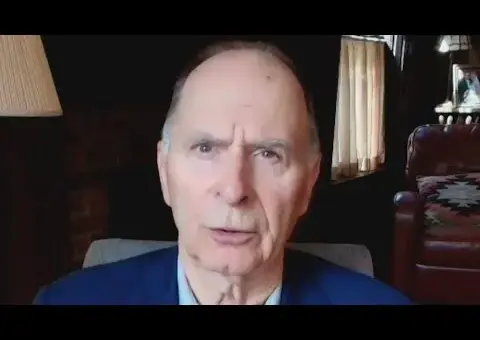
Iran has reportedly shot down a U.S. fighter jet, prompting immediate search and rescue operations for the downed airmen. This incident significantly escalates regional tensions and could alter ongoing U.S. military plans against Iran. The event highlights the volatile nature of the Middle East and the potential for miscalculation.

Iran Claims Jet Downed, Escalates Regional Attacks
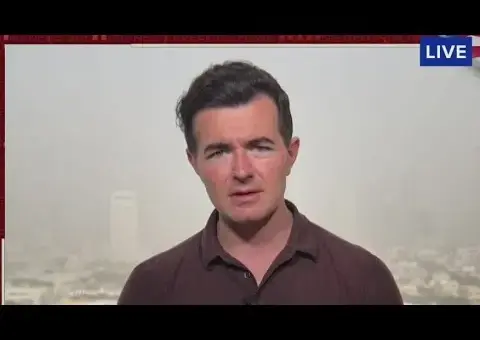
Iran claims it shot down a U.S. fighter jet, marking a significant escalation in regional tensions. The U.S. has been targeting Iranian infrastructure, while Iran and its allies have launched retaliatory strikes across the Middle East, impacting oil facilities and causing injuries. The critical Strait of Hormuz remains a key point of contention.