Cuba Protests Erupt Over Economic Crisis, Fuel Shortages
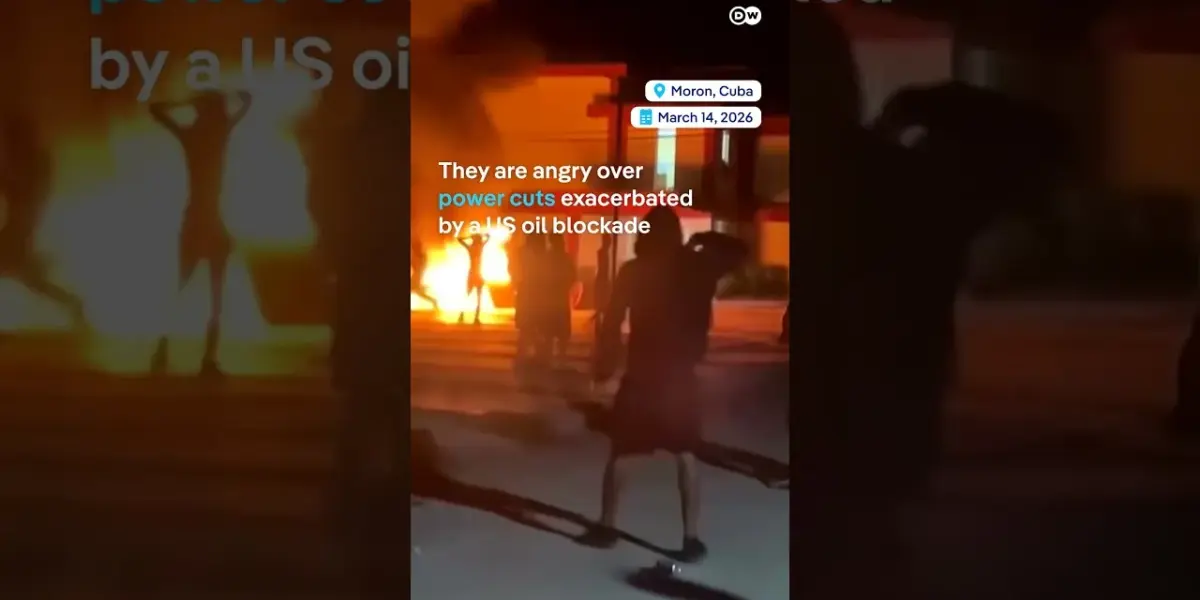
Rare protests erupted in central Cuba this week, with demonstrators vandalizing a Communist Party building amidst a severe economic crisis. The unrest is fueled by critical fuel shortages and the crippling impact of the U.S. oil blockade on the island's economy.

Cuba Rocked by Protests Amidst Deepening Economic Crisis
HAVANA, CUBA – Rare public anger erupted in central Cuba this week as protesters targeted a Communist Party building, marking a significant escalation of dissent amid a severe economic downturn. The demonstrations, fueled by widespread discontent over persistent fuel shortages and the country’s precarious economic state, highlight the growing frustration among Cubans facing daily hardships. The situation is exacerbated by Cuba’s heavy reliance on imported fuel for electricity generation, with the ongoing U.S. oil blockade significantly impacting the island nation’s already beleaguered economy and pushing it to the brink of collapse.
Economic Woes Fuel Public Outcry
Cuba’s economy has been grappling with a complex web of challenges, including the lingering effects of the COVID-19 pandemic, a decline in tourism, and the tightening of U.S. sanctions. The latest wave of protests appears to be a direct response to acute energy shortages that have led to frequent and prolonged blackouts across the country. These power outages disrupt daily life, cripple businesses, and underscore the fragility of the nation’s infrastructure.
The government’s reliance on imported fuel makes it particularly vulnerable to global price fluctuations and geopolitical pressures. The U.S. oil blockade, a long-standing policy, significantly restricts Cuba’s access to essential energy resources and financial markets, creating a chokehold on its economic activities. This external pressure, combined with internal economic management challenges, has created a perfect storm for public discontent.
Protesters Target Party Building
Eyewitness accounts and reports indicate that protesters directed their anger towards a Communist Party building in a central Cuban city. The act of vandalizing a symbol of the ruling party signifies a bold and unusual display of defiance against the government. Such actions are rare in Cuba, where public protests are typically met with swift suppression. The targeting of a party building suggests a level of desperation and a direct challenge to the political establishment.
While details remain scarce, the incident underscores the depth of frustration simmering beneath the surface. The economic hardships have reached a point where citizens are willing to take more visible and direct actions to express their grievances. This defiance, though potentially risky, signals a growing impatience with the status quo and a demand for tangible improvements in living conditions.
Broader Implications and International Context
The protests in Cuba come at a time when many Latin American nations are experiencing social and political unrest, often driven by economic inequality and governance issues. The situation in Cuba is further complicated by its unique political system and its complex relationship with the United States.
The U.S. oil blockade, while aimed at pressuring the Cuban government, has had a profound impact on the daily lives of ordinary Cubans, leading to accusations that the sanctions disproportionately harm the civilian population. International observers are closely watching how the Cuban government will respond to these protests and whether this incident will lead to any policy shifts or increased repression.
The economic isolation imposed by the blockade limits Cuba’s ability to secure favorable trade deals and access international finance, making it exceedingly difficult to modernize its infrastructure, invest in renewable energy, or diversify its economy. This reliance on a narrow range of economic activities and external support leaves the nation highly susceptible to external shocks.
Government Response and Future Outlook
The Cuban government has historically responded to dissent with a firm hand, often emphasizing national sovereignty and blaming external forces for the country’s problems. It remains to be seen how authorities will address this latest wave of public anger. The coming days and weeks will be critical in determining whether the government opts for dialogue, increased security measures, or a combination of both.
The protests serve as a stark reminder of the challenges facing the Cuban leadership. The ability of the government to alleviate the economic crisis, ensure basic necessities, and provide a sense of hope for the future will be crucial in preventing further unrest. The international community will also be observing any developments, particularly regarding human rights and the potential impact of U.S. policy on the Cuban populace.
As Cuba navigates this turbulent period, the focus will be on the government’s capacity to manage the economic fallout and address the deep-seated frustrations of its citizens. The long-term stability of the nation hinges on its ability to find sustainable solutions to its economic challenges and foster a more resilient future.
Source: Protests errupt in Cuba │DW Shorts (YouTube)

Related Articles
Rubio: US Can Achieve Iran War Goals Without Troops
Senator Marco Rubio outlined a strategy to counter Iran without deploying U.S. ground troops, focusing on weakening the regime and enhancing maritime security. He also criticized Cuba's economic system and expressed concerns about West Bank violence.


Jane Fonda Warns of ‘Existential Crisis’ Amid Protests
Jane Fonda has issued a stern warning about widespread attacks on the First Amendment, urging Americans to defend their freedoms. The veteran activist highlighted the growing number of large-scale protests as a sign of public concern and a crucial opportunity to address both democratic erosion and the climate crisis.
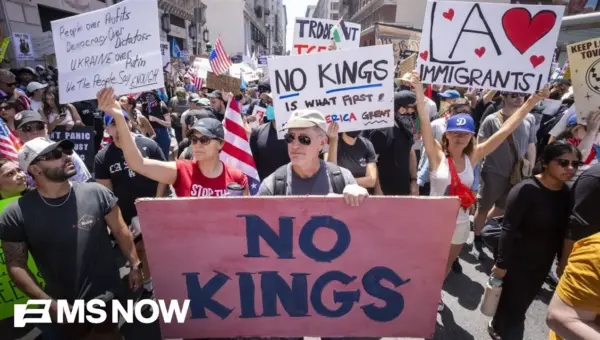
Workers Unite: Millions Demand Government Accountability
Millions of Americans are protesting, driven by anger and fear over the country's direction, healthcare access, and economic security. A diverse coalition, including union members and conservatives, is demanding government accountability and truthfulness. Organizers see a significant shift in momentum as citizens feel empowered to fight for change.