Cuba Plunges into Darkness: A Nation on the Brink of Unprecedented Humanitarian Crisis Amidst Blockade

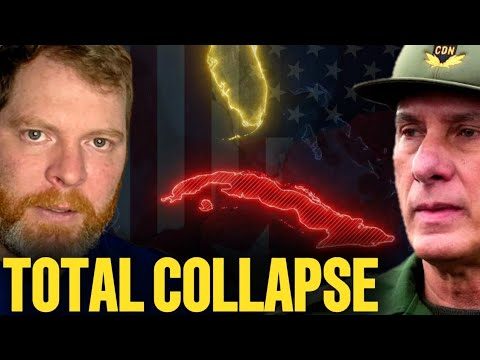
Cuba Plunges into Darkness: A Nation on the Brink of Unprecedented Humanitarian Crisis Amidst Blockade
Havana, Cuba – The island nation of Cuba has been plunged into an unprecedented humanitarian crisis, with its national energy grid suffering a catastrophic collapse following a 15-day oil blockade. Reports indicate that over 95% of Cuba’s 11 million residents are now without power, facing dire conditions that threaten to unleash widespread disease, starvation, and further societal breakdown. The situation has escalated rapidly, moving from a mere “precipice” to a “full-blown apocalyptic scenario,” according to observers on the ground.
The severe fuel shortage, exacerbated by a critical lack of refining capabilities, has brought the oil-dependent nation to its knees. Attempts by foreign powers to deliver humanitarian aid have been thwarted, leading to a tense kinetic stalemate at sea, while international condemnation mounts against the United States’ enforcement of the blockade.
The Descent into Darkness: A Nation Without Power
For two weeks, Cuba has grappled with the severe consequences of a comprehensive oil blockade, which has cut off all vital fuel imports. The Cuban government’s efforts to ration dwindling supplies have ultimately failed, leading to the complete shutdown of the national energy grid. Only isolated pockets of power remain, primarily serving military bases and secure compounds, leaving the vast majority of the population in darkness.
The implications of this widespread power outage are immediate and devastating. Beyond the obvious absence of light, the lack of electricity cripples essential services that underpin modern society. Hospitals struggle to operate, refrigeration units fail, leading to rapid food spoilage, and the ability to cook even scarce food resources becomes a luxury. For an island nation with a population of 11 million, the long-term absence of power transforms daily life into a desperate struggle for survival.
A Looming Health Catastrophe: Water, Sanitation, and Disease
Perhaps the most alarming consequence of the energy grid’s collapse is the breakdown of Cuba’s public health infrastructure. With power systems offline, critical sanitation processes and sewage systems have ceased to function. Reports describe sewage overflowing onto the streets across the country, creating an immediate and widespread public health emergency.
This environmental contamination is compounded by a severe lack of access to clean water. Approximately 90% of the population is now without potable water, and the means to purify or boil available water sources are largely nonexistent. Health experts warn that this confluence of factors – contaminated environments, lack of clean water, and inability to sterilize – creates an ideal breeding ground for mass disease outbreaks. Forecasts predict “massive waves of disease” like cholera to sweep through the population in the coming weeks, a scenario that could overwhelm an already crippled healthcare system.
International Standoff and Failed Aid Efforts
The escalating crisis has drawn international attention, prompting attempts at intervention that have, thus far, been unsuccessful. Two days prior to the full energy collapse, Russia announced its intention to send humanitarian aid in the form of fuel to Cuba. However, a Russian state-flagged tanker, the Academician Pashin, reportedly declaring its cargo as humanitarian fuel, was intercepted and boarded by US forces approximately 12 miles outside Cuban waters.
This incident underscores a “kinetic stalemate” at sea, signaling a strong resolve by the United States to enforce the blockade. The interception sends a clear message to the Cuban people: no help, in the form of oil, is currently coming. Further compounding the despair, a massive fire recently engulfed the most important oil refinery in Havana. This destruction means that even if a diplomatic breakthrough were to occur and oil shipments were allowed, Cuba would lack the crucial infrastructure to process the fuel for public consumption, effectively sealing off any immediate path to recovery.
Diplomatic Fallout and Global Condemnation
The US actions enforcing the blockade have come at a significant diplomatic cost, at a time when global tensions are already high. While Israel has reportedly offered support for the US stance, other nations have expressed grave concerns. France and Spain have issued official statements condemning the escalating humanitarian situation. Most notably, the UN Security Council is reportedly calling for a meeting to condemn the US actions, viewing them as a direct cause of potential mass starvation and an impending humanitarian catastrophe.
Critics within the international community are increasingly fracturing over the morality of the “siege,” with some observers drawing stark comparisons between the unfolding situation in Cuba and other severe humanitarian crises globally, fearing Cuba could become “America’s Gaza in the Western Hemisphere.” The scale of the unfolding disaster is such that it is being described as potentially the “largest humanitarian crisis in living history in the Western Hemisphere,” directly attributable to the American government’s policies.
The Human Toll and Survival Instincts
For the 11 million people of Cuba, the immediate reality is one of desperate survival. Communication channels have largely been severed, with state-run internet and cell services reportedly down. The only remaining means of contact are through amateur ham radio operators and those fortunate enough to have smuggled in satellite phones prior to the blockade.
The most vulnerable segments of the population – children, the elderly, and individuals with chronic illnesses – are already becoming casualties of the crisis. Without food, clean water, and healthcare, their chances of survival diminish rapidly. Even the young and healthy are expected to succumb as disease spreads unchecked and the basic necessities of life become unattainable. The immediate plunge into a survival state has meant that the population’s focus has shifted away from political action and towards the most fundamental human needs.
US Strategy and Its Efficacy
The underlying hope from some within the US administration, according to sources, was that the intense pressure on the Cuban populace would force them to rise up against their government. However, this strategy appears to have backfired. The fragility of the Cuban system meant that the people were immediately thrust into a survival mode, with little capacity or inclination for organized protest.
Reports indicate only two significant protests occurred during this period, which were swiftly and decisively suppressed by government forces. Allegations suggest that “provocateurs” were arrested and disappeared, sending a chilling message to anyone considering dissent. The populace, already overwhelmed by the immediate crisis, understands that even a governmental collapse would offer no immediate solution to their dire circumstances.
The Information Vacuum: A Media Blackout?
Adding another layer of complexity to the crisis is the alleged lack of mainstream media coverage in the United States. Critics contend that there is a deliberate “media blackout” regarding the situation in Cuba, particularly concerning the suffering of its people. While videos and reports circulate throughout Latin America, Central America, and Canada, detailing the unfolding catastrophe, this information is reportedly not reaching the American public through traditional news outlets.
This alleged silence, according to some observers, allows the crisis to escalate without public outcry or pressure for intervention. It raises questions about the ethical implications of such a blackout when 11 million people are facing an apocalyptic scenario, deprived of fundamental human rights and necessities.
Conclusion: A Bleak Outlook
As day 15 concludes, the countdown is officially over, and the island of Cuba has gone dark. The national energy grid is down, escape routes are closed, and the world’s superpowers are engaged in a tense standoff. The situation on the ground for the Cuban people is dire, with no clear path to alleviation in sight. The unfolding events represent a critical moment in Western Hemisphere history, demanding urgent attention and a re-evaluation of international policies to prevent further human suffering.
Source: Cuba Has Fallen (YouTube)

Related Articles


Trump: Iran Strikes Ahead of Schedule, Expects ‘Great Deal for World’
Three U.S. service members have been killed amid escalating conflict with Iran, President Trump confirmed. He stated that strikes are ahead of schedule, with senior Iranian leaders killed, and expressed optimism for a "great deal for the world" despite ongoing talks with Iranian officials.
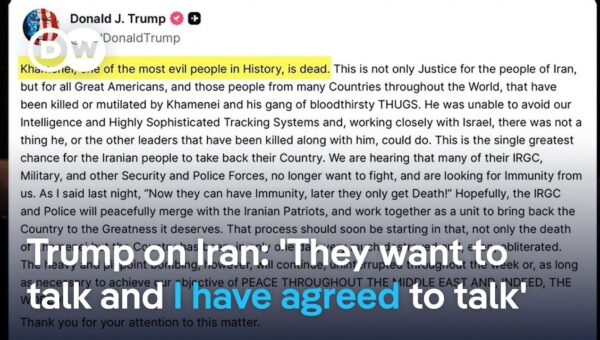
Trump Agrees to Talks with Iran After Major Strikes
President Donald Trump has agreed to talks with Iran's leadership following coordinated strikes that reportedly killed key figures, including the Supreme Leader. While Trump claims significant military successes, U.S. strategy remains unclear, and public opinion shows limited support for the actions amid rising American casualties.


Trump’s Putin Stance: US Strategy and Global Implications
Analysis suggests Donald Trump's approach to the Ukraine war involves pressuring Kyiv, but US involvement is crucial for resolution. China's influence and the 'MAGA' agenda's geopolitical implications are key factors.