Cuba Plunged into Darkness Amidst Economic Reforms
Cuba is experiencing widespread power outages due to a critical oil shortage, impacting millions and straining essential services. Amidst this crisis, the nation's Deputy Prime Minister is seeking to attract foreign investment, including from the U.S., while critics demand political reforms alongside economic changes.

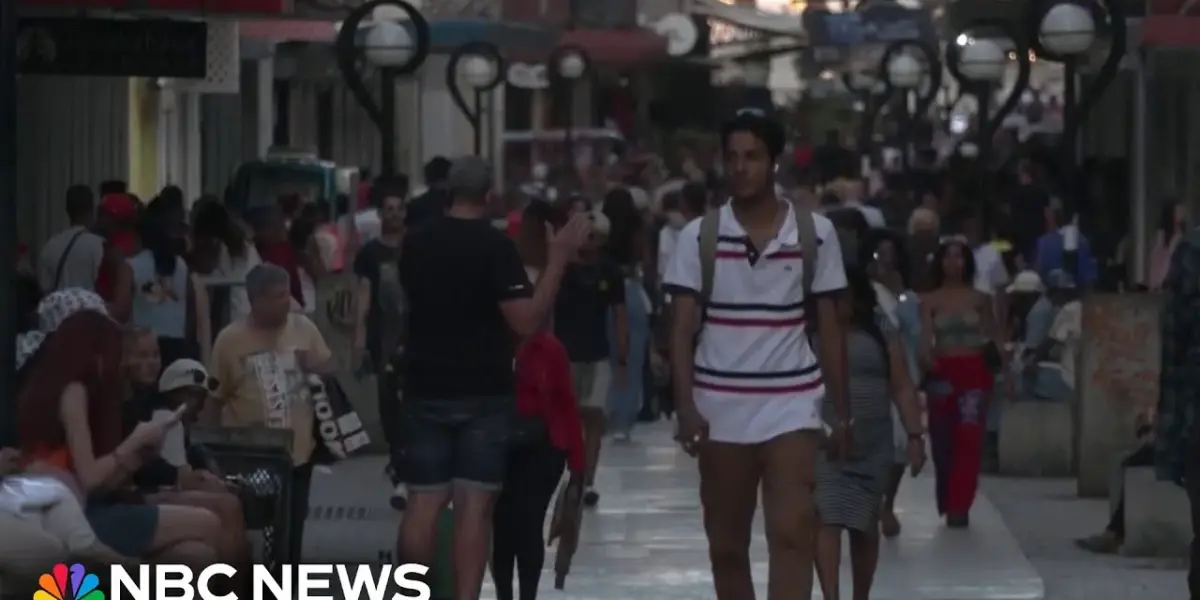
Cuba Faces Widespread Blackouts as Nation Seeks New Economic Path
Millions across Cuba are grappling with the harsh reality of widespread power outages as the nation’s electrical grid falters, plunging cities and towns into darkness. The crisis, exacerbated by a severe shortage of oil, has left citizens spilling into the streets seeking respite from the heat, while essential services like hospitals struggle to operate without electricity. Amidst this deepening energy crisis, Cuba’s Deputy Prime Minister, widely considered the country’s economic czar, has outlined plans to attract foreign investment, including from the United States, signaling a potential new chapter for the island nation.
Economic Hardship Deepens with Fuel Shortages
The current power outages are a stark symptom of Cuba’s mounting economic challenges. The transcript highlights that the country has not received a drop of oil in three months, a critical component for its energy infrastructure and transportation. This lack of fuel has led to deserted highways, as vehicles remain grounded due to the absence of gasoline. The implications are dire, with reports of women delivering babies in darkened hospital rooms lacking electricity, underscoring the severe impact on daily life and public health.
A New Strategy: Attracting Foreign Investors
In an exclusive interview with NBC News, Cuba’s Deputy Prime Minister articulated a strategy aimed at revitalizing the nation’s economy through increased foreign investment. He expressed a desire for enhanced relationships with U.S. companies and individuals of Cuban descent residing in the United States. “He said Cuba having relationships with U.S. companies, Cubans residing in the United States,” the report states, indicating a willingness to engage with American economic interests. This outreach comes at a time when many businesses are restricted from operating in Cuba due to Washington’s long-standing trade embargo.
The Shadow of the U.S. Embargo and Political Skepticism
The prospect of increased U.S. investment in Cuba is complicated by the enduring trade embargo, a policy that significantly limits the scope of business engagement. The transcript references former President Trump’s past remarks about Cuba, stating, “FREE IT, TAKE IT, I CAN DO WHATEVER I WANT WITH IT,” suggesting a potentially unpredictable U.S. stance on the island’s future. Furthermore, skepticism abounds regarding the true nature of any potential relationship shift. Many critics, including those in the Cuban exile community, express doubt about the viability of investing in Cuba without fundamental political changes.
“I WOULD ASK ANY CUBAN WHO LIVES HERE, ANY IN EXILE, DON’T INVEST IN CUBA, YOU’RE WASTING YOUR TIME.”
Calls for Political Reform Alongside Economic Change
The economic reforms proposed by the Cuban government are met with a demand for parallel political changes. A collective message from critics emphasizes that economic progress is contingent upon political guarantees. “WE DON’T HAVE A CHANGE IN POLITICAL RIGHTS. IF WE DON’T HAVE POLITICAL GUARANTEES, NO ECONOMIC CHANGE IS POSSIBLE,” the transcript relays. This perspective highlights a deep-seated concern that economic liberalization cannot succeed without corresponding advancements in civil liberties and political freedoms. The pursuit of “FREEDOM, CHOOSE YOUR DESTINY. IT’S CUBAN SOVEREIGNTY” underscores a broader aspiration for self-determination that intertwines economic well-being with political rights.
Looking Ahead: The Path Forward
Cuba stands at a critical juncture, facing severe energy shortages while simultaneously attempting to court foreign investment. The success of its economic revitalization strategy will likely depend on a complex interplay of domestic reforms, the easing of U.S. sanctions, and the willingness of both international investors and the Cuban diaspora to engage. The coming months will be crucial in observing whether the government can navigate these challenges, address the immediate energy crisis, and foster an environment that truly supports sustainable economic growth alongside the aspirations for political freedom.
Source: Cuba loses power as Deputy Prime Minister tells NBC News plans for country’s new chapter (YouTube)

Related Articles
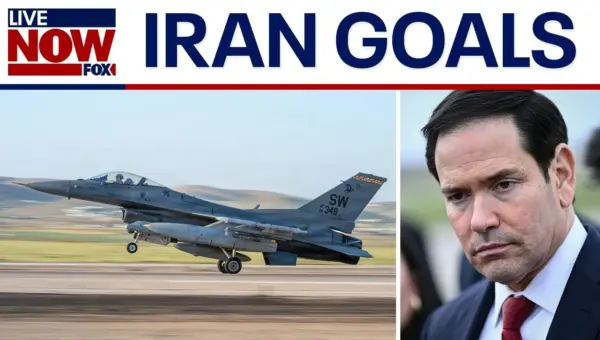
Rubio: US Can Achieve Iran War Goals Without Troops
Senator Marco Rubio outlined a strategy to counter Iran without deploying U.S. ground troops, focusing on weakening the regime and enhancing maritime security. He also criticized Cuba's economic system and expressed concerns about West Bank violence.
Trump’s Warpath: New Threats Signal Imperial Ambitions
Recent statements from Donald Trump reveal a potential embrace of increased military action and interventionist foreign policy. This approach, characterized by critics as "imperialism 2.0," contrasts with his past promises of peace and has even drawn criticism from parts of his own base. The implications for U.S. global engagement and domestic priorities are significant.
Polls Reveal Deep Voter Concerns Over War, Economy for Trump
Recent polls and political analysis suggest President Trump faces significant challenges due to voter concerns about the prolonged conflict in Iran and the struggling economy. Republicans are growing anxious as these issues impact the president's standing, while Democrats see an opportunity to present themselves as a more stable alternative.