Cuba Faces Crisis as Old Allies Flee US Pressure
Cuba is facing an unprecedented economic crisis and humanitarian emergency as its traditional allies in Latin America withdraw support under U.S. pressure. The cutoff of Venezuelan oil, coupled with a shifting regional political landscape, has left the island increasingly isolated with few options for aid.

Cuba’s Isolation Deepens Amidst Economic Collapse
Once a symbol of leftist solidarity in Latin America, Cuba now stands on the brink of economic collapse, facing a severe humanitarian crisis. This drastic turn of events follows intense U.S. pressure, particularly threats of tariffs on any nation supplying oil to the island. Even countries with long-standing historical ties to Cuba are now hesitant to offer support, fearing retaliation from the Trump administration.
Venezuela Withdraws Crucial Oil Support
A significant blow came in January when Cuba lost its most steadfast ally and primary oil supplier, Venezuela. Following the U.S. actions against Nicolas Maduro’s government, President Trump threatened special tariffs on countries that would step in to provide oil. This move effectively cut off a vital lifeline for Cuba, which had relied heavily on Venezuelan oil for decades.
Shifting Political Landscape in Latin America
The political climate in Latin America has also changed, leaving Cuba with fewer allies. Chile recently shifted to the right after elections in December, diminishing its support for Cuba. Major regional players like Mexico, Colombia, and Brazil, which together account for over half of the region’s gross domestic product, have adopted a cautious stance. Despite having left-wing presidents, these nations have been hesitant to openly support Cuba. Mexico, for instance, sent its last confirmed oil shipment to Cuba on January 9th, with no further shipments recorded since.
Expert Analysis: The “Trump Doctrine” at Play
Christopher Sabatini, a senior research fellow for Latin America at Chatham House, explains the situation as a combination of the Trump administration’s assertive foreign policy and weakening regional diplomacy. “The Trump administration is overwhelming the hemisphere,” Sabatini stated. He noted that the U.S. has targeted Venezuela and is now focusing on Cuba, leaving little room for other leftist governments in the region to offer substantial help. Many of these governments, once forgiving of Cuba’s human rights record and economic struggles, are now in a weaker position to mediate solutions. Sabatini described this as the “Trump doctrine” in action, coupled with decades of regional diplomacy that has failed to adopt a more constructive approach towards Cuba, one that could have fostered greater human and political rights as well as economic opportunities.
Cautious Diplomacy from Major Regional Powers
Even with left-wing governments still in power in Mexico, Colombia, and Brazil, their engagement with Cuba remains guarded. Mexico has been involved in cautious negotiations through back channels between the Cuban government and elements of the Trump administration. However, Brazil and Colombia have maintained a distant approach. Sabatini pointed to Brazil’s inaction during Venezuela’s disputed election results as a factor in the U.S.’s lack of trust. This hesitancy means that Mexico is largely left to navigate its relationship with Cuba, influenced by historical and ideological connections. Colombia, meanwhile, is focused on its own complex relationship with the United States and avoids actions that could be perceived as undermining U.S. policy, even if that policy seems headed toward disaster.
“Shield of the Americas” Summit Excludes Key Players
A recent U.S.-organized summit, dubbed the “Shield of the Americas,” aimed to foster regional cooperation against drug trafficking. Notably, leaders from Brazil, Mexico, and Colombia were not invited. Sabatini found this exclusion illogical, given these countries’ significant roles in drug production and transit. He suggested the real reason for their exclusion was ideological: the Trump administration’s preference for aligning with governments that are “Trump-adjacent” and supportive of his policies. “The Shield of the Americas… is really just a partisan project and really doesn’t address the fundamental… issue of narcotics trafficking,” Sabatini commented, highlighting the exclusion of key nations that could contribute to solving the problem.
Cuba’s Growing International Isolation
The recent shift to the right in Chile further underscores Cuba’s isolation. Even conservative governments in Latin America, which might have previously remained quiet on Cuba’s internal affairs, are now unwilling to engage. They do not want to appear to be obstructing the U.S. administration’s efforts to bring about change in Cuba. On the left, Sabatini noted, governments have largely failed to effectively advocate for Cuban citizens, instead prioritizing the Cuban government. This leaves Cuba with few diplomatic options.
Humanitarian Crisis Worsens with Oil Cutoff
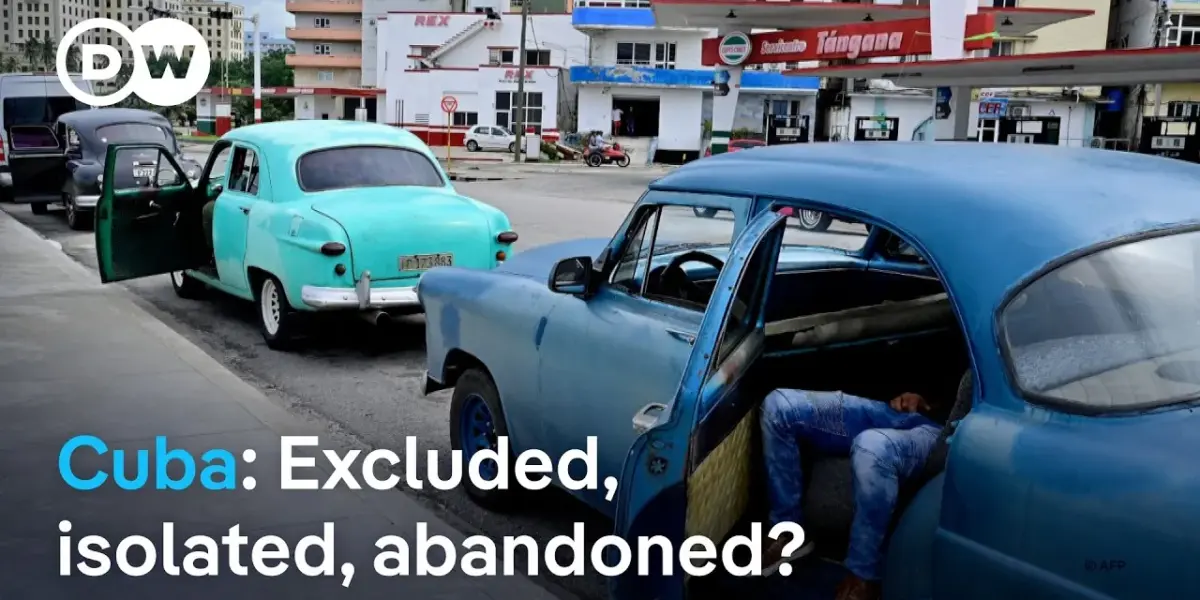
The cutoff of Venezuelan oil has plunged Cuba into a severe humanitarian crisis. Sabatini detailed how the U.S. demanded an end to cheap oil shipments from Venezuela to Cuba as part of its policy. What was once around 100,000 barrels per day under Hugo Chavez, with half sold for profit, had dwindled to about 40,000 barrels daily before the final cutoff. This reduction, combined with a decline in tourism after the COVID-19 pandemic, had already strained Cuba’s resources. The complete halt in oil supply has led to widespread blackouts, with some rural areas experiencing 20-hour power outages. Satellite images of Cuba at night starkly illustrate the extent of the darkness. The crisis has also led to fuel shortages for transportation, causing long lines for gasoline and hindering food distribution, as perishable goods spoil before reaching consumers.
Limited Options for Cuban Rescue
Looking ahead, Cuba has very few places to turn for assistance. Russia has reportedly sent a ship of oil, but its passage through the U.S. blockade remains uncertain. Sabatini compared the situation to the Cuban Missile Crisis, though with significantly lower stakes. He expressed doubt that Russia would risk a major confrontation with the U.S. over oil for Cuba. The U.S. has made it clear that any country supplying oil to Cuba will face tariffs, creating a substantial risk for potential rescuers. Sabatini emphasized that even amidst the political tensions, there is a critical need for humanitarian aid. However, he fears that the U.S. administration’s strong warnings to other governments may deter them from providing even minimal assistance. “No one’s coming to Cuba’s rescue,” he concluded, suggesting that the situation is entirely driven by U.S. policy, with only some discreet diplomatic efforts underway between Mexico, Cuba, and the United States.
Source: Where have Cuba's friends gone? | DW News (YouTube)

Related Articles
China Fights Back: Tariffs Loom Ahead of Trump Visit
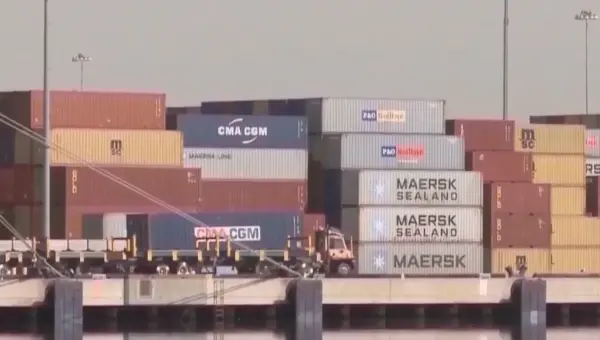
China is retaliating against US trade investigations that could lead to higher tariffs. This escalating trade tension occurs just before a planned visit by President Trump. The dispute involves accusations of unfair practices and impacts global supply chains.

Israelis Forge Resilience Amidst Constant Bomb Shelter Drills
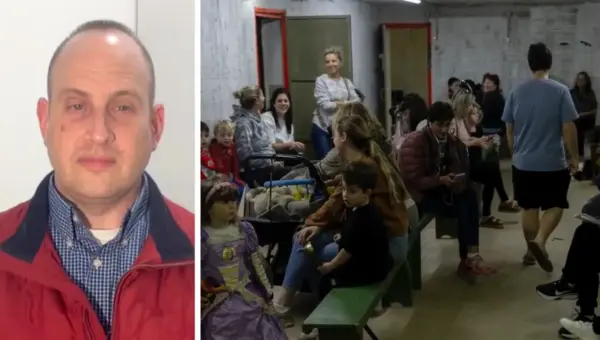
Life in Israel is a blend of resilience and constant vigilance, with many families adapting to frequent bomb shelter drills and even sleeping in makeshift shelters. Despite ongoing missile attacks, Israelis strive to maintain normalcy, though businesses face disruption and emotional fatigue is a growing concern.

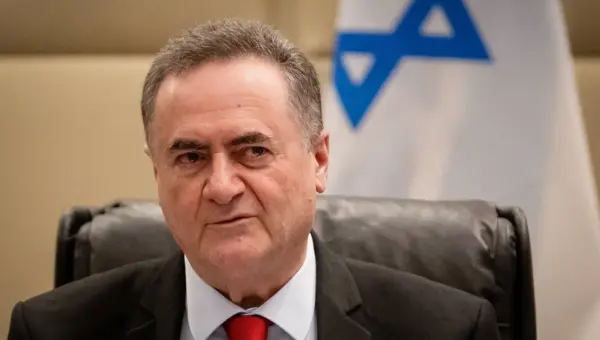
Israel Escalates Iran Strikes, Warns of Wider War
Israel has launched significant strikes inside Iran following continued missile fire, warning of further escalation. The conflict risks wider regional instability and economic disruption, especially concerning the Strait of Hormuz.