Cuba Faces Crisis Amid US Pressure: Blackouts, Shortages Intensify
Cuba is grappling with severe nationwide blackouts and shortages as US pressure intensifies. The US has cut off vital oil supplies, exacerbating an energy crisis that disrupts daily life for millions. These actions are part of a long-standing and complex relationship marked by historical tensions and political influence.

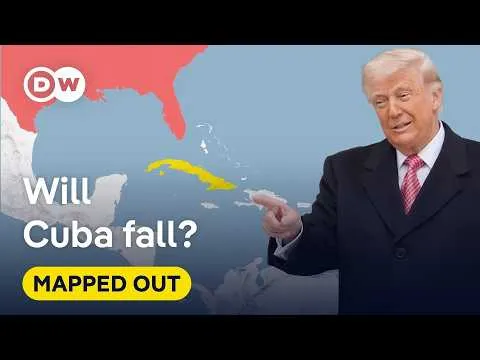
Cuba Plunged into Darkness as US Sanctions Bite
Cuba is currently facing a severe national crisis, marked by widespread blackouts, critical food and fuel shortages, and persistent threats from its powerful neighbor, the United States. Daily life for over 10 million Cubans has been dramatically disrupted, with power outages lasting up to 18 hours a day. This lack of electricity forces residents to adapt by waking in the middle of the night to cook meals, boil water, and charge essential devices. Hospitals have been forced to cancel surgeries, and garbage is piling up due to a lack of fuel for collection trucks.
US Cuts Off Vital Oil Supplies
The core of Cuba’s energy crisis stems from the United States cutting off its primary oil supplies. This action has targeted Venezuela, Cuba’s main oil provider, by influencing its oil sales. Additionally, the US has threatened Mexico with tariffs, further limiting Cuba’s access to crucial resources. Reports suggest the US has even physically intervened to prevent oil tankers from reaching Cuban shores. These measures are part of a broader strategy by the US to exert pressure on Cuba, citing concerns about the Cuban regime posing a threat to US security.
A Long History of US-Cuba Tensions
The current tensions are rooted in over a century of complex relations between the two nations. The US has maintained a naval base at Guantanamo Bay since 1898, a lease Cuba refuses to cash, viewing it as a symbol of foreign occupation. The relationship soured significantly after Fidel Castro’s 1959 revolution, which overthrew a US-backed government. Castro’s subsequent seizure of US-owned businesses led to a crippling US trade embargo that continues to impact Cuba’s economy. The fear of a communist state on its doorstep also led to direct US intervention, including the failed Bay of Pigs invasion in 1961.
The Cuban Missile Crisis and its Aftermath
A defining moment in US-Cuba relations was the 1962 Cuban Missile Crisis. The discovery of Soviet nuclear missile sites in Cuba brought the world to the brink of nuclear war. While a deal was struck to remove the missiles, with the US pledging not to invade Cuba, deep mistrust persisted. For decades, US administrations have pursued a policy of isolating Cuba economically and politically, hoping to foster internal change. This approach shifted briefly under President Barack Obama, who eased some restrictions and visited the island, but relations have deteriorated again in recent years.
Domestic Politics Fueling Cuba Policy
US policy toward Cuba is significantly influenced by domestic politics, particularly the large and politically active Cuban-American community in Florida. Many Cuban-Americans oppose Cuba’s communist leadership and often align with Republican politicians who advocate for a tougher stance. Figures like Senator Marco Rubio, a prominent Cuban-American politician, have openly expressed a desire for regime change in Cuba, arguing it would benefit the United States. This political dynamic can shape US actions and rhetoric concerning Cuba.
Venezuela Intervention Linked to Weakening Cuba
Recent US actions, such as the intervention in Venezuela, are seen by some as directly aimed at weakening Cuba. Venezuela has been a vital ally and economic partner for Cuba since the collapse of the Soviet Union, providing essential oil supplies in exchange for Cuban medical professionals and security assistance. By disrupting the Maduro regime in Venezuela, the US has significantly damaged Cuba’s access to oil and financial resources, exacerbating its economic woes. This move is viewed by analysts as a strategic blow to Cuba’s ability to sustain its economy and political system.
Global Powers Offer Support to Cuba
Despite US pressure, Cuba is receiving support from other global powers. Russia has provided much-needed oil and condemned the US oil blockade. China has sent aid to combat food shortages and is investing in solar projects to help alleviate the blackouts. These alliances with Russia and China are crucial for Cuba’s economic survival. However, speculation persists about potential Chinese intelligence operations in Cuba, adding another layer to the geopolitical tensions in the Western Hemisphere, which the US views as its backyard.
Uncertain Future for the Cuban People
The future of Cuba remains uncertain, with fears of potential US military intervention or a scenario similar to Venezuela, where the leadership is ousted. Cuban President Miguel Diaz-Canel has indicated ongoing dialogue with the US, but the risk of escalation remains. The primary concern is for the Cuban people, who continue to bear the brunt of these prolonged geopolitical struggles. The current US administration appears prepared to take significant action, raising questions about whether Cuba will finally see a change in its political system or continue to face intense pressure.
Source: Why the US won't leave Cuba alone | Mapped Out (YouTube)

Related Articles
Iran Controls Strait of Hormuz, Threatens Global Economy
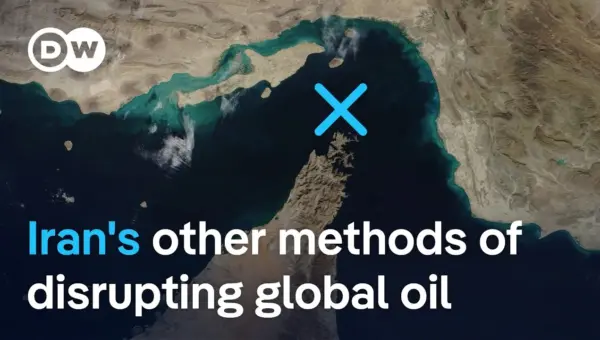
Iran has effectively gained control of the Strait of Hormuz, directing ships through its territorial waters and charging fees, a move that has slowed global shipping to a trickle. This "toll booth" strategy, rather than a full blockade, is causing significant economic disruption and raising concerns about global energy supplies and insurance liabilities.

Global Powers Play Chess as Investigations Stall
A lack of clear suspects in a significant investigation points to the complex interplay of luck and cunning among involved individuals. This situation echoes historical patterns where powerful actors evade accountability, often driven by strategic and economic interests.
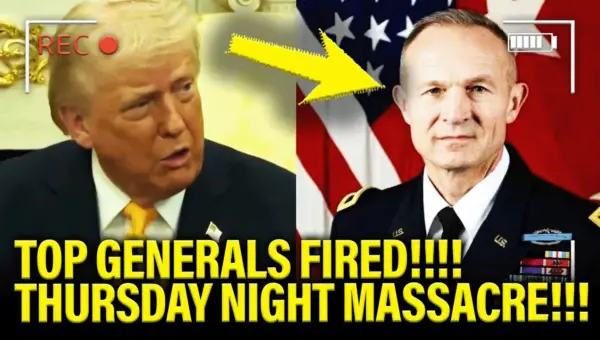
Trump’s Purge: Generals Fired Amidst Escalating Iran Conflict
President Trump has reportedly overseen a significant purge of top military brass amidst an escalating conflict with Iran. The dismissals, affecting over a dozen senior officials, raise concerns about national security, potential political motivations, and the impact on military readiness during a tense international period.