Cuba Crumbles Under Blackouts, Fuel Shortages
Cuba is facing a severe crisis marked by nationwide blackouts and critical fuel shortages, impacting millions of lives. The situation has led to protests, delayed medical care, and a mass exodus of Cubans from the island.


Cuba Faces Deepening Crisis as Blackouts and Fuel Shortages Cripple Nation
Cuba is grappling with a severe and worsening crisis, marked by widespread blackouts and critical fuel shortages. This situation has led to protests, delayed medical procedures, and a significant increase in Cubans seeking to leave the island. Governor Ronda Santis of Florida has voiced concerns, stating the state is preparing for a potential mass exodus from Cuba due to the dire conditions.
Nationwide Blackouts Hit Millions
The most visible sign of Cuba’s troubles has been the collapse of its electrical grid. In March 2026, the island experienced multiple nationwide blackouts. A major failure on March 16th left approximately 10 million people without power. Just five days later, on March 21st, another significant outage occurred after problems at the Nevito’s thermoelectric plant caused a widespread power failure. These events are not isolated incidents; they highlight the extreme fragility of Cuba’s power system, which has been struggling for years.
Fuel Shortages Spark Widespread Disruption
The crisis extends far beyond electricity. Cuba’s fuel shortage is a central problem, impacting nearly every aspect of daily life. The country relies heavily on oil for electricity generation, public transportation, ambulances, garbage collection, and water delivery. When fuel supplies dwindle, these essential services falter. Videos show cab drivers pushing their vehicles to conserve gas, and long lines form for the limited amounts of fuel available. Many Cubans are resorting to cooking with firewood and hauling water by hand as basic services break down.
Root Causes: Venezuela’s Collapse and US Pressure
Several key factors have contributed to Cuba’s current predicament. For years, Venezuela provided Cuba with heavily discounted oil, acting as a vital economic lifeline. However, the capture of Venezuelan President Nicolas Maduro in early 2026 by the United States on narco-trafficking charges severely disrupted these oil flows. Following this, the Trump administration made it clear that oil and money would no longer go to Cuba from Venezuela. Additionally, reports suggest the U.S. has implemented an oil blockade, making it difficult for Havana to secure necessary fuel imports. Cuba’s president stated the country had gone three months without foreign oil imports and was only producing 40% of its needed fuel.
Humanitarian Impact and Public Frustration
The consequences for ordinary Cubans are severe. Hospitals have had to cancel tens of thousands of surgeries due to power shortages, and births are sometimes happening in the dark. Food spoils in homes without refrigeration, and garbage piles up as collection trucks lack fuel. People are struggling to afford basic necessities, leading to protests where residents bang pots and pans to express their anger. One resident described the situation as feeling like a rope tightening around their neck, expressing a desire for help from any country, including the U.S.
Mass Migration Signals Deep Distress
One of the most telling signs of the crisis is the unprecedented wave of migration. Since 2021, over a million Cubans have left the island, marking the largest exodus since the 1959 revolution. This mass departure suggests that a significant number of people believe life on the island is no longer sustainable. Florida officials are preparing for potential increased migration, emphasizing that this could be different from previous waves. This migration is seen not as a side issue, but as a clear indicator of the depth of the collapse.
Potential for Further Instability
The situation remains volatile, with warnings from the UN that Cuba’s health system is nearing a critical point. Aid convoys are delivering essential supplies like solar panels, food, and medicine. However, public frustration is growing, leading to protests, including one incident where protesters set fire to a government building in Havana after 30 hours without electricity. Some in Washington reportedly view this as a moment to push for political change, though there is no clear plan for what would follow. The combination of humanitarian strain, migration, unrest, and foreign pressure could lead to a crisis threatening the stability of the Cuban state itself.
A Long-Standing Struggle
Cuba has faced economic and political challenges for decades. The current crisis, however, appears to be more severe than previous periods, including the years following the collapse of the Soviet Union. The government bears responsibility for many of its problems, but external pressures have significantly worsened the situation. The future remains uncertain, with Cubans hoping for an understanding that could lead to improvement, but the path forward is fraught with difficulty.
Source: 8 Things You Need to Know About the Cuban Crisis of 2026 (YouTube)

Related Articles
German Chancellor Links Violence Against Women to Migration
German Chancellor Friedrich Merz has sparked controversy by linking an increase in violence against women to migration. Official figures show a rise in domestic and digital violence, with non-Germans overrepresented as suspects, though critics argue this oversimplifies the issue and ignores the majority of German perpetrators.
US Power Grid Faces Blackout Risk as Demand Surges
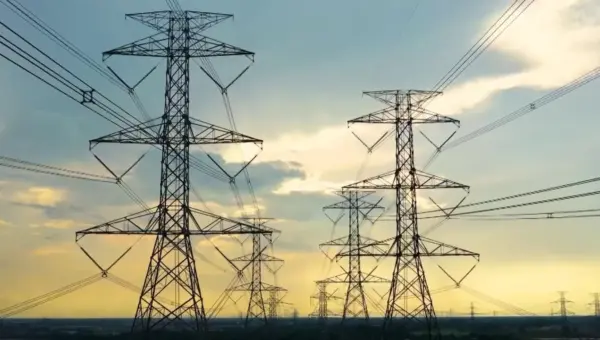
America's electrical grid faces a growing risk of blackouts due to surging demand from AI and data centers. Grid operators warn that aging infrastructure and a lack of new generation capacity are creating a "perfect storm." Solutions are being explored, but immediate action and consumer conservation are crucial.


Trump Hints at ‘Taking’ Cuba Amid Blackouts, Exile Debate
Cuba is grappling with its third nationwide blackout this month, affecting 10 million people. Amidst the crisis, President Trump has escalated hints of U.S. intervention, suggesting a potential "taking" of the island. Journalist Paola Ramos warns of a "Venezuelan playbook" scenario, where leadership might change but the core regime could persist, complicating long-held hopes for democratic change among Cuban exiles.