Cuba Crisis Deepens: Fuel Blockade Sparks ‘Perfect Storm’
Cuba is facing a severe 'perfect storm' due to a U.S. blockade halting vital fuel deliveries, crippling its economy and daily life. A recent Russian oil shipment offers temporary relief, but the island nation grapples with widespread power outages and disrupted essential services.

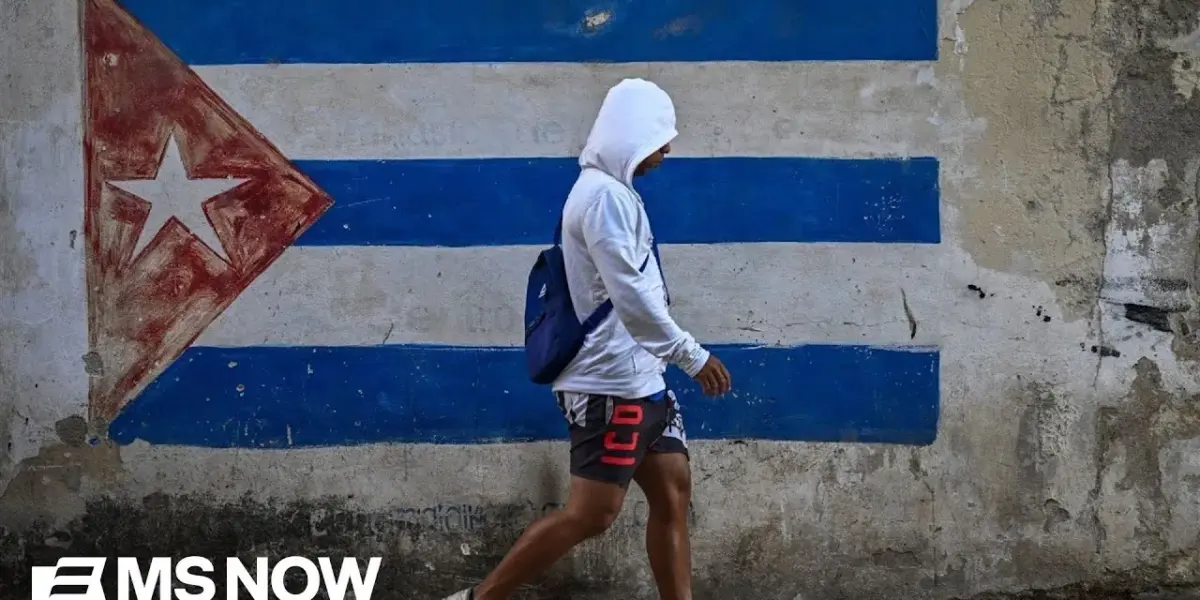
Cuba Faces ‘Perfect Storm’ Amidst US Fuel Blockade and Economic Strain
Cuba is currently grappling with a severe ‘perfect storm’ of crises, marked by a U.S. blockade that has halted fuel deliveries, crippling its economy and daily life for millions. The situation has led to widespread power outages, disrupted essential services, and left the island nation facing significant humanitarian challenges.
US Blockade Intensifies Energy Crisis
For months, Cuba has experienced a near-total U.S. blockade on oil shipments. This policy, coupled with threats against any nation shipping fuel to the island, has drastically reduced deliveries. The situation became critical after Venezuela, a long-time provider of subsidized oil to Cuba, stopped its shipments in January. This halt, occurring after a U.S.-backed military operation in Venezuela, left Cuba heavily reliant on its own, often insufficient, resources and forced it to seek alternative, often more expensive, sources.
Russian Tanker Offers Temporary Relief
In a rare development, a Russian tanker carrying 730,000 barrels of oil was recently allowed to dock in Cuba. Experts suggest this shipment could provide some relief for the island’s dire energy crisis, potentially lasting only a few weeks. The White House acknowledged the docking, stating that decisions regarding such shipments would be made on a case-by-case basis for humanitarian reasons, but emphasized that there has been no fundamental change in U.S. sanctions policy.
Daily Life Grinds to a Halt
The lack of fuel has had a devastating impact on the daily lives of Cuba’s 11 million residents. Electricity is frequently cut off, plunging homes and businesses into darkness. Hospitals are forced to limit surgeries due to power instability and a lack of diesel for generators. Water systems and food distribution networks are also severely disrupted. In Havana and other cities, garbage has piled up because garbage trucks lack the fuel for their regular routes, creating unsanitary conditions.
Economic Lifeline Severed
Beyond the immediate energy crisis, the U.S. policies have hit Cuba’s economy hard. Tourism, which had become a vital source of currency for the island, has been significantly impacted. The reversal of Obama-era policies that eased some restrictions has led to a reduction in tourism dollars. This loss of revenue, combined with the lack of Venezuelan oil subsidies, has destabilized an economy already struggling with a fragile energy grid.
Signs of Diplomatic Shifts?
In response to the escalating crisis and perhaps in a bid to ease international pressure, Cuba announced the release of over 2,000 prisoners as a humanitarian gesture during Holy Week. This move, alongside reports of potential behind-the-scenes discussions involving Cuban officials and Cuban-American figures like Marco Rubio, has fueled speculation about possible diplomatic shifts or negotiations. Some analysts point to the re-emergence of figures linked to the Castro family in dialogue, suggesting a complex interplay of internal politics and external pressures.
Broader Implications and Future Outlook
Veteran journalist David Ariosto, who has spent extensive time in Cuba, describes the situation as a ‘perfect storm.’ He notes that unlike in the past, when leaders like Fidel Castro could quell dissent by directly engaging with the public, the current leadership faces a more precarious environment. The lack of an easy ‘exit route’ for citizens, which in the past allowed many to leave when facing political pressure, means Cubans are now more confined to dealing with the escalating domestic crisis. The suffering of the average Cuban is a stark contrast to the relative stability enjoyed by the elite, echoing past statements about the willingness of leaders to let their people endure hardship.
What to Watch Next
As Cuba navigates this critical period, attention will be on whether the temporary relief from the Russian oil shipment can be sustained and if the recent prisoner release signals a genuine change in policy or a temporary pause. The ongoing U.S. stance on sanctions and the potential for further diplomatic engagement will be key factors to monitor. The resilience of the Cuban people and the government’s ability to manage internal pressures amid severe economic constraints will shape the island’s future trajectory.
Source: Why Cuba is facing a ‘perfect storm’ (YouTube)

Related Articles

Russia Faces Last-Ditch Offensive, Internal Cracks
Russia may be launching a final major offensive in Ukraine as it faces mounting internal pressures. Analysts suggest this push is a last resort before significant manpower and financial issues arise. Meanwhile, increasing domestic information control and official criticism highlight growing cracks within the Russian establishment.


Trump Threatens Iran, Shaking Global Stability
Former President Trump's aggressive Easter Sunday warning to Iran has ignited global concerns, highlighting a volatile intersection of politics, religion, and foreign policy. The analysis explores the motivations behind such rhetoric, the deep divisions within American society, and the potential for severe economic and geopolitical repercussions worldwide.


Trump’s Iran Policy: A Strait of Hostage?
A new analysis suggests Donald Trump's "tariff" approach to foreign policy may have inadvertently given Iran more leverage over the Strait of Hormuz. This strategy has allowed Iran to "toll" ships, creating a significant geopolitical advantage.