Cuba Crisis Deepens Amid US Pressure, Trump’s ‘Takeover’ Talk
Cuba is facing a severe energy crisis and widespread unrest, exacerbated by U.S. sanctions. Amidst this turmoil, former President Donald Trump has spoken of potentially "taking" control of the island. Experts analyze the historical context, the impact of U.S. policy, and the dire humanitarian consequences for the Cuban people caught between geopolitical pressures.

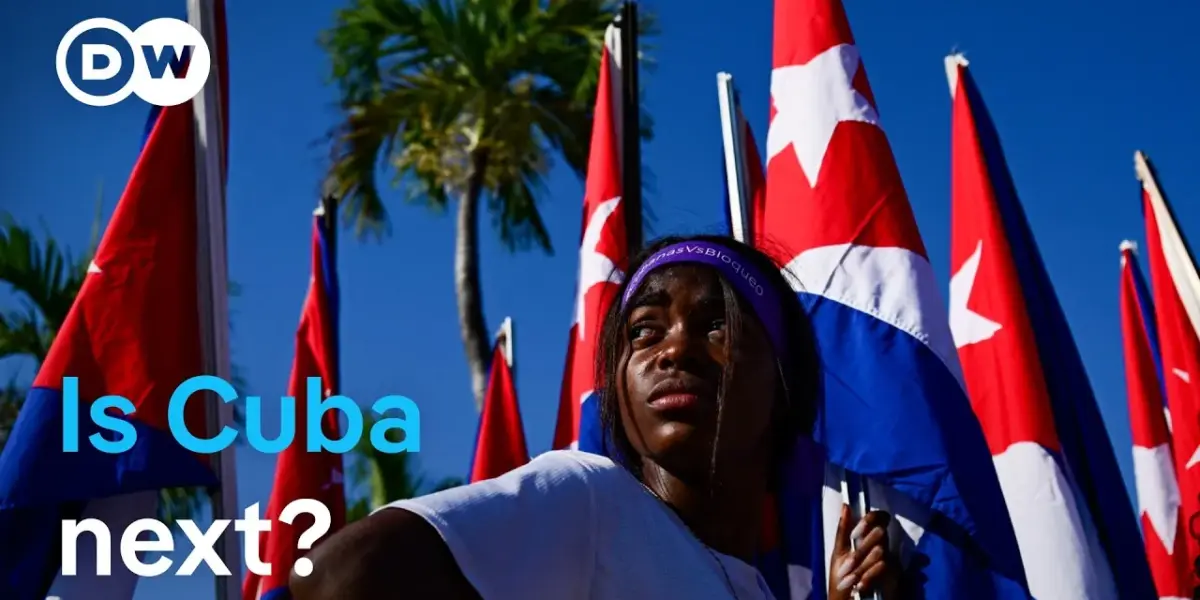
Cuba Plunged Into Darkness by US Energy Embargo
Cuba faces a deepening crisis, with cities plunged into darkness due to a U.S.-driven energy embargo. Fuel supplies are dwindling, leading to widespread unrest and hardship for ordinary Cubans. This escalating situation has prompted former U.S. President Donald Trump to openly discuss taking control of the island nation, moving beyond economic pressure to potentially more dangerous actions.
“Cuba is a mess. It’s a failing country. And they’re going to be next.”
Historian: U.S. Policy Echoes Cuban Missile Crisis Intensity
Historians note that the current U.S. policies toward Cuba represent an extreme escalation, not seen since the intensity of the Cuban Missile Crisis. Andres Perreira, a historian specializing in Cuban-U.S. relations, explains that while Cuba is not a direct military threat like North Korea, its strategic location and potential to gather intelligence for adversaries remain a persistent concern for Washington. The U.S. has a vested interest in the island, located just 150 kilometers from Key West, Florida. Concerns include Cuba potentially serving as a base for signals intelligence or transferring sensitive information to hostile foreign actors.
Shift from Obama’s Thaw to Trump’s Hardline Stance
Relations between the U.S. and Cuba saw a period of normalization under President Barack Obama, known as the “Cuban thaw.” During this time, Cuba was removed from the U.S. list of state sponsors of terrorism, embassies were reopened, and Obama made a historic visit to Havana. However, Donald Trump’s presidency marked a sharp reversal, with his administration adopting a much harsher approach. Trump’s rhetoric, including stating his intention to “take” Cuba, signals a significant departure from previous policies.
Rubio’s Influence on Cuba Policy
Senator Marco Rubio, an influential figure and son of Cuban immigrants, has long advocated for regime change in Cuba. He believes that economic and political reforms are inseparable, arguing that Cuba’s economy cannot be fixed without changing its system of government. Rubio’s role as a key advisor on Latin American policy during the Trump administration highlights his significant influence in shaping more aggressive sanctions and policies not only towards Cuba but also Venezuela. For Rubio, achieving regime change in Cuba is seen as a crucial element of his political legacy.
Cuba’s Economic Dependence and the Venezuelan Connection
Since 1959, Cuba has relied on patron states for economic support. After the collapse of the Soviet Union, Western European investment, particularly from Spain, provided some stability. However, from the late 1990s, Venezuela became Cuba’s primary benefactor. This relationship involved Cuba exporting skilled professionals, such as doctors, to Venezuela in exchange for heavily subsidized oil. Cuba would then refine and re-export some of this oil for hard currency. This model began to falter in the mid-2010s due to falling oil prices and Venezuela’s internal economic crisis, further exacerbated by declining oil output in the 2020s. The U.S. policy of blocking Venezuelan oil to Cuba in early 2020 delivered a severe blow to the already struggling island nation.
Crippling Energy Crisis Paralyses Cuba
The withdrawal of Venezuelan oil has had devastating consequences for Cuba. The national power grid has collapsed multiple times, leading to blackouts lasting from 24 to 72 hours. Even outside of major blackouts, neighborhoods frequently experience 24-hour power outages. This energy shortage has paralyzed the country, which imports 80-90% of its food. The lack of electricity hinders the transportation of essential goods, including humanitarian aid. Observers describe the situation as worse than the crisis of the 1990s.
Humanitarian Situation Reaches Critical Point
While a Russian oil tanker recently docked in Cuba for humanitarian reasons, the United Nations warns that the humanitarian situation has reached a critical tipping point. The energy crisis is having a widespread impact on all aspects of daily life, including health, water and sanitation, food systems, education, transportation, and telecommunications. Cuba has been grappling with insufficient fuel for over three months, and the humanitarian consequences worsen daily.
Growing Discontent and Protests
Discontent is palpable among the Cuban population, evidenced by nightly demonstrations involving the banging of pots and pans. In March, protesters ransacked a Communist Party building, marking the first attack on a government office in decades. Despite these protests, there have been no significant defections from the elite or security forces, a common occurrence in other communist regimes facing pressure. This durability of the political system, while paralyzing the country with protests, has thus far prevented a fundamental destabilization.
Interpreting Trump’s “Takeover” Threat
The exact meaning of Donald Trump’s threat to “take” Cuba remains unclear, even to some observers. Historian Andres Perreira suggests that Trump’s approach is more likely to resemble the strategy used against Venezuela—turning Cuba into a vassal state rather than a direct military occupation. Trump appears wary of prolonged military engagements like those in Iraq and Afghanistan, which he has called mistakes. A direct occupation of Cuba, especially if met with guerrilla resistance, would likely be unpopular and damage his political standing. Therefore, the focus may be on exerting control through economic and political leverage, aiming to install a more compliant leadership.
Cuba’s Limited Leverage and U.S. Strategy
Cuba’s primary leverage lies in its ability to withstand immense pressure without a complete political collapse, specifically the absence of mass defections from its military and police. This allows the government to buy time, potentially waiting for U.S. elections to shift the political landscape. The U.S. strategy appears to be pushing for greater economic reforms and supporting the private sector, aiming to gradually open the Cuban economy. However, as seen in China and Vietnam, economic liberalization does not necessarily lead to political change, as communist regimes can coexist with market economies.
The Cuban People Caught in the Middle
For decades, the Cuban people have endured severe government repression and foreign sanctions, leading millions to seek lives elsewhere. With approximately 11 million people remaining on the island, the question arises about who is advocating for their well-being amidst the geopolitical tensions. The Cuban people are described as being trapped between two powerful forces, with neither side effectively championing their interests. There is a significant concern that forcing a government collapse could lead to unpredictable and potentially worse outcomes for the population.
Looking Ahead
The situation in Cuba remains volatile, with the U.S. applying intense pressure and Donald Trump’s rhetoric adding an element of unpredictability. The coming months will be critical in determining whether diplomatic channels can de-escalate the crisis or if the current trajectory leads to further hardship and instability for the Cuban people. The world watches to see how this complex geopolitical standoff will unfold.
Source: What would American intervention in Cuba look like? | DW News (YouTube)

Related Articles
NATO Allies Urged to Step Up Support for US
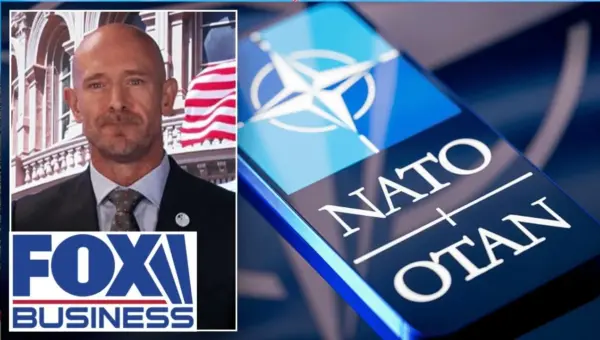
Retired Navy SEAL Mike Cirelli urges NATO allies to increase their support for U.S. international efforts, citing delays in crucial operations. NATO's chief acknowledges past slow responses, while Cirelli emphasizes the need for allies to take greater responsibility for global security, especially concerning energy supplies.
UK Offers Iran Negotiation Insight to Aid Trump’s Stalled Deal
The UK is offering its diplomatic expertise to the US to help President Trump navigate complex negotiations with Iran. As talks loom amidst uncertainty and strained UK-US relations, London believes its experience can aid in achieving a settlement and reopening the Strait of Hormuz. Discussions also highlight the UK's defense readiness and its role in regional stability.

Trump Health Scare Sparks Probe into Medical Records
An urgent investigation has been launched into Donald Trump's medical records following a recent health scare. The probe aims to uncover how private health details were exposed and whether privacy laws were violated. This situation highlights the critical need for robust data security and patient confidentiality, even for public figures.