Cruz’s Tax Gambit: A Desperate Play for Working-Class Votes?
Senators Ted Cruz and Tim Scott are reportedly pushing for further tax cuts for the wealthy, allegedly asking the Treasury to illegally reduce capital gains taxes. This move, seen as a desperate bid for working-class votes ahead of midterms, ignites debate over fiscal policy and executive authority.

Cruz’s Tax Gambit: A Desperate Play for Working-Class Votes?
As the midterm elections loom, casting a long shadow over Republican prospects, a new geopolitical development has added another layer of complexity to their electoral strategy. The recent launch of hostilities with Iran, as alluded to in recent political discourse, is perceived by some as further complicating the GOP’s path to victory. In response to this anticipated electoral challenge, Senators Ted Cruz and Tim Scott have reportedly devised a strategy aimed at re-engaging the working-class electorate, a demographic crucial for electoral success. Their proposed solution, however, has sparked considerable debate: advocating for further tax reductions, specifically targeting the wealthy elite.
The Republican Tax Cut Legacy
This initiative follows a pattern of Republican fiscal policy, notably the significant tax cuts enacted previously. The mention of a “big beautiful bill” last summer that purportedly made permanent $3 trillion in tax cuts for the wealthy elite underscores a consistent focus on this segment of the tax code. The argument presented is that even with these substantial cuts, there remains a segment of affluent individuals who, according to this perspective, are still bearing an excessive tax burden. The legislative process, however, has apparently stalled, with Congress unable to coalesce around further tax extensions or new reductions.
An Unconventional Approach: The Treasury Letter
Faced with legislative inertia, Cruz and Scott have reportedly turned to an alternative, and as some critics argue, legally questionable, avenue. They have allegedly penned a letter to the United States Treasury. The core of this missive is a request for the Treasury to unilaterally implement tax reductions for the wealthy by lowering capital gains taxes. The assertion is made that the Treasury Department lacks the legal authority to enact such changes independently, labeling the proposed action as potentially “illegal.” This move suggests a willingness to explore executive or administrative actions when legislative pathways prove difficult.
Criticism and Counterarguments
The strategy of prioritizing tax cuts for the wealthy as a means to win back working-class voters is met with skepticism by many political observers. Critics argue that such policies disproportionately benefit those already well-off, with trickle-down effects for the broader population often proving negligible or even negative. The inherent tension lies in appealing to working-class voters by enacting policies that, on their face, appear to favor the affluent. The question remains whether this strategy can overcome the perception that it primarily serves the interests of the wealthy, rather than addressing the economic concerns of average Americans.
The core of this missive is a request for the Treasury to unilaterally implement tax reductions for the wealthy by lowering capital gains taxes. The assertion is made that the Treasury Department lacks the legal authority to enact such changes independently, labeling the proposed action as potentially “illegal.”
Historical Context of Tax Policy Debates
Taxation has long been a central battleground in American politics. Debates over who should bear the tax burden and the optimal level of taxation have shaped economic policy for decades. Republican administrations have historically favored lower taxes, often arguing that this stimulates economic growth and investment. Conversely, Democratic administrations have frequently advocated for more progressive tax structures, suggesting that higher taxes on the wealthy can fund essential public services and reduce income inequality. The current proposal by Cruz and Scott can be viewed within this long-standing ideological divide, albeit with a novel approach to implementation.
Implications and Future Outlook
The implications of this strategy are multifaceted. If successful, it could signal a shift in how fiscal policy is enacted, potentially bypassing Congress for administrative changes. This raises questions about the separation of powers and the role of executive agencies in fiscal matters. For the Republican party, the success or failure of this gambit could have significant electoral consequences. It tests the efficacy of prioritizing policies perceived to benefit the wealthy in an effort to court working-class voters. The broader trend of political polarization and the increasing use of administrative actions to bypass legislative gridlock are also relevant factors. The future outlook may see more instances of such attempts to leverage executive power to enact policy goals, particularly in a closely divided political landscape where legislative consensus is elusive.
Why This Matters
This situation matters because it highlights a critical juncture in American fiscal policy and political strategy. The very definition of “tax cuts for the working class” is being tested, with proponents suggesting that benefits to the wealthy will eventually uplift all. Critics, however, contend that this is a misdirection, and that direct relief for working families should be the priority. The alleged attempt to use the Treasury to enact policy changes also raises significant constitutional questions about the balance of power between the legislative and executive branches. Furthermore, the effectiveness of such a strategy in swaying electoral outcomes remains a key point of analysis. It forces a re-examination of whether economic policies that appear to favor the affluent can genuinely resonate with the broader electorate, especially in times of economic uncertainty and perceived inequality.
Source: Ted Cruz BEGS for illegal tax cuts (YouTube)

Related Articles

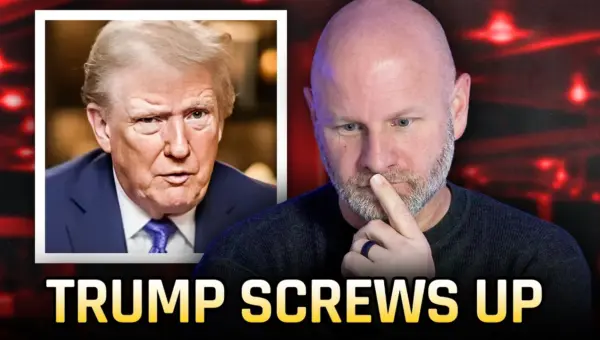
Middle East Conflict Fuels Inflation, Handing Midterms to Democrats
A new Middle East conflict has sent oil prices soaring, exacerbating existing inflation and potentially handing a significant electoral advantage to Democrats in the upcoming midterm elections. The analysis suggests this economic fallout could be a direct consequence of recent foreign policy decisions.
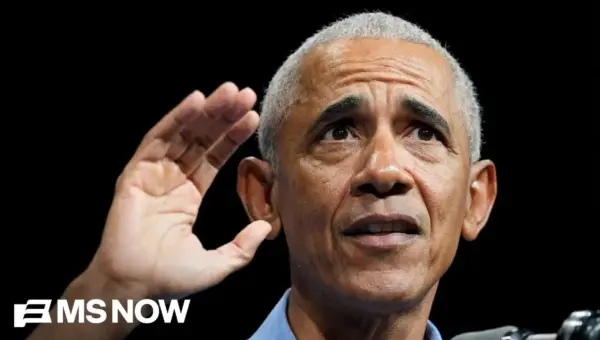
Obama Backs Virginia Redistricting Effort Amid Midterm Push
Former President Barack Obama has endorsed a redistricting effort in Virginia, aiming to counter Republican map changes ahead of the midterms. While supporters see it as a crucial move to "level the playing field," others believe its impact may be minimal amidst broader political and economic trends.


Middle East Conflict Escalates Amidst Political Turmoil and Economic Jitters
The Middle East is engulfed in escalating conflict as Iran launches retaliatory attacks, prompting warnings of further intensification. Amidst the turmoil, thousands of Americans are stranded abroad as travel restrictions mount. Economically, gas prices have surged, and Wall Street braces for volatility. The U.S. also witnesses the start of its midterm elections and a historic verdict in a school shooting case, while a nostalgic trend sees a comeback for physical media.