Cruz Breaks Ranks: Admits Iran Nuclear Threat Was Fabricated
Senator Ted Cruz has publicly challenged the narrative that Iran is on the verge of obtaining a nuclear weapon, admitting that intelligence does not suggest an imminent threat. This revelation questions the justifications for aggressive military action and highlights global hypocrisy in nuclear proliferation.

Cruz Breaks Ranks: Admits Iran Nuclear Threat Was Fabricated
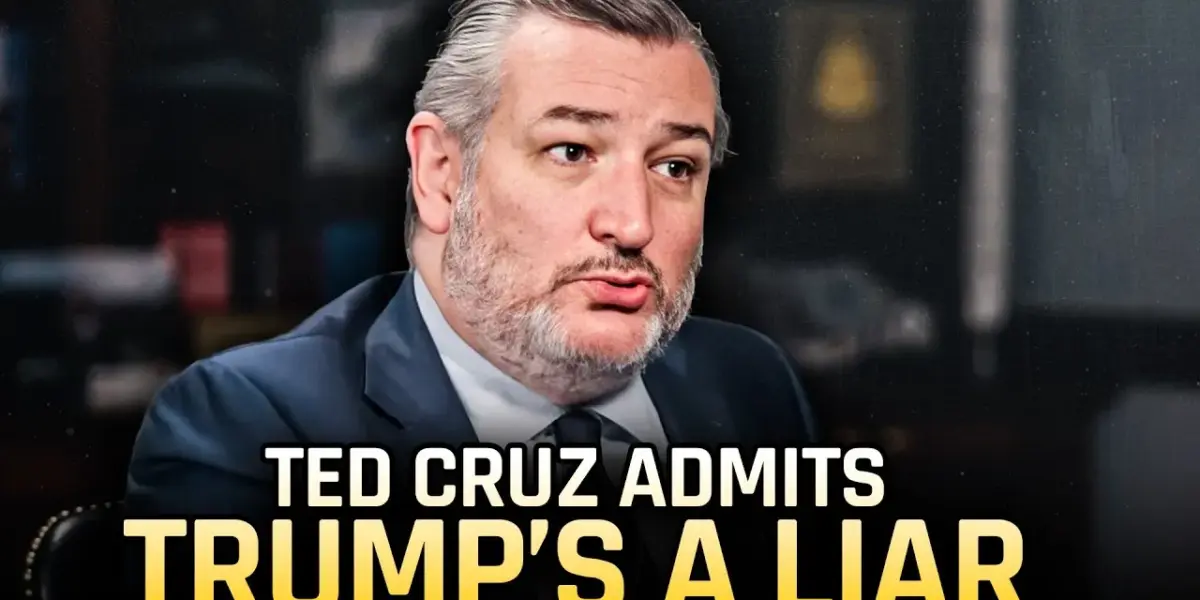
In a surprising turn of events, Senator Ted Cruz has publicly cast doubt on the prevailing narrative that Iran is on the verge of obtaining a nuclear weapon. Speaking on CBS’s Face the Nation with Margaret Brennan, Cruz effectively conceded that the intelligence suggesting Iran is close to a nuclear breakthrough may not be accurate. This statement, coming from a senator privy to classified intelligence briefings, lends significant weight to skepticism surrounding the urgency of military action against Iran, a stance heavily promoted by elements within the US and Israeli administrations, as well as Saudi Arabia.
The Shifting Sands of Intelligence
For years, the specter of a nuclear-armed Iran has been a cornerstone of foreign policy discussions, often cited as a primary justification for preemptive measures. The argument, as presented by proponents of intervention, has been that Iran’s clandestine nuclear program poses an imminent threat, necessitating immediate action to prevent a catastrophic outcome. The narrative often emphasizes Iran’s alleged proximity to weaponizing enriched uranium, painting a picture of a nation on the brink of acquiring the ultimate deterrent.
However, Cruz’s recent remarks suggest a significant divergence from this established line. “I have no indication that they were anywhere close to getting nuclear weapons,” he stated, directly contradicting the urgency often conveyed by more hawkish factions. While Cruz also mentioned past Israeli actions targeting Iranian nuclear facilities, including the use of advanced bunker-buster bombs on underground sites like Fordo, he clarified that his focus was on Iran’s past efforts and ongoing desire to rebuild, rather than an immediate threat. He acknowledged that the quantity of nuclear material Iran possessed was not substantial enough to be weaponized in the short term, a crucial point that undermines the ‘imminent threat’ argument.
Hypocrisy and the Nuclear Club
The transcript also raises profound questions about global hypocrisy regarding nuclear proliferation. The speaker points out the United States’ unique position as the only nation to have ever used nuclear weapons in conflict. Despite this history, and the existence of numerous nuclear-armed states, the international community, spearheaded by nuclear powers, dictates who can and cannot possess such weapons. This double standard is highlighted by the assertion that the US possesses advanced weaponry, like bunker-buster bombs, that other nations do not, a capability that arguably fuels insecurity and a desire for self-protection among potential adversaries.
The argument presented is that nuclear weapons, while horrific, have served as a deterrent precisely because their use guarantees mutual assured destruction. If Iran were to acquire nuclear weapons, the logic follows, they would be unlikely to use them without inviting their own annihilation. The same logic applies to existing nuclear powers like the United States and Israel. The speaker questions why nations like Iran should be denied a potential deterrent when the existing nuclear powers, including the US which has a history of using them, continue to stockpile and maintain them. This perspective suggests that the prohibition on nuclear weapons is selectively enforced, driven by geopolitical interests rather than a universal commitment to non-proliferation.
Dissent and the Political Landscape
The significance of Ted Cruz’s statement cannot be overstated. When a senator from the same political party often associated with a more aggressive stance on Iran admits that the threat is not imminent, it signals a potential fracturing of consensus. The transcript notes that Cruz’s admission means the “jig is up” for those pushing for immediate military action based on exaggerated claims. It implies that even within circles that receive classified information, the narrative of an Iranian nuclear emergency is losing credibility.
The piece also touches upon the rhetoric of other political figures, such as Lindsey Graham, who appear eager for conflict, suggesting that for some, the existence of a threat is less important than the desire for action. The comments attributed to ‘Miller’ and ‘Zinto’ in the transcript further illustrate the broader societal and political divisions on this issue, with arguments about distinguishing between a state and its leadership, and the selective application of logic in political discourse.
Why This Matters
Ted Cruz’s admission is a critical development that challenges the foundation of potential military intervention against Iran. It suggests that the intelligence used to justify escalated tensions might be flawed or deliberately misrepresented. This has profound implications for international diplomacy, regional stability, and the lives of American service members. A war predicated on a false or exaggerated premise would be a catastrophic miscalculation. Furthermore, it highlights the need for greater transparency and accountability in intelligence assessments used to shape foreign policy, particularly when the stakes involve war and peace.
Historical Context and Future Outlook
The debate over Iran’s nuclear program has a long and complex history, dating back to the aftermath of the 1979 revolution. The US and its allies have engaged in a continuous effort to monitor and constrain Iran’s nuclear activities, employing sanctions, diplomatic pressure, and covert operations. The 2015 Joint Comprehensive Plan of Action (JCPOA) was an attempt to cap Iran’s program in exchange for sanctions relief, but its unraveling under the Trump administration and subsequent Iranian actions have reignited tensions. Cruz’s statement suggests that the current assessment of Iran’s capabilities may be a more nuanced, and less alarming, picture than what is being publicly presented by some.
Looking ahead, the implications of this admission could lead to a recalibration of US policy toward Iran. If the immediate nuclear threat is indeed not as severe as portrayed, the rationale for aggressive military posturing weakens, potentially opening doors for renewed diplomatic engagement. However, the entrenched interests that benefit from a hawkish stance, and the deep-seated mistrust between the US and Iran, mean that a swift shift is unlikely. The broader discussion about nuclear deterrence, and the inherent hypocrisy of the global nuclear order, will also continue to resonate, particularly as more nations grapple with perceived security threats.
The admission that Iran was not close to a nuclear weapon, coming from a senator with access to classified information, forces a re-evaluation of the justifications for potential military action.
The narrative surrounding Iran’s nuclear ambitions has long been a potent tool in geopolitical strategy. Ted Cruz’s recent comments, however, suggest that this narrative may be crumbling under the weight of reality, or at least, under the weight of intelligence that contradicts the most alarmist claims. This moment serves as a crucial reminder of the importance of critical analysis, even when faced with pronouncements from high-ranking officials, and underscores the dangerous consequences of allowing fear and fabricated threats to dictate foreign policy.
Source: Ted Cruz ADMITS That Trump Is A Filthy Liar (YouTube)

Related Articles
Trump’s Iran War Justification Called ‘Clear As Mud’ by Experts
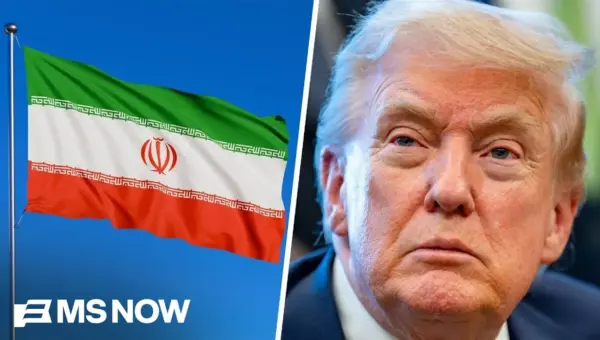
Experts are questioning the clarity of President Trump's justifications and goals for military action against Iran, with some describing the rationale as "clear as mud." The shifting objectives and potential for unintended consequences are raising concerns among national security analysts and the public.

Trump: A Pawn in Middle East Power Plays?
A report suggests Donald Trump's administration was pushed into military action against Iran by Israeli and Saudi leaders. This analysis questions the autonomy of U.S. foreign policy and its susceptibility to external influence, painting a grim picture of potential long-term consequences.

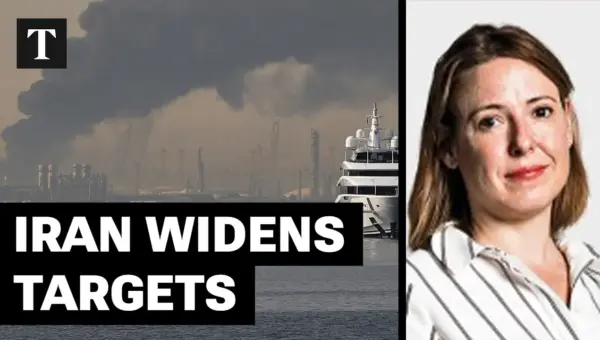
Iran Escalates Regional Attacks, Feeling ‘Nothing to Lose’
Iran is widening its regional attacks, driven by a "nothing to lose" mentality, according to Catherine Philp of The Times. The escalating conflict has seen Hezbollah engage in hostilities, drawing retaliatory strikes and increasing global oil prices. The U.S. and Israel are targeting Iranian leadership and military sites, while the response of Gulf nations remains a key uncertainty.