Crimea Becomes Russian Aircraft Graveyard
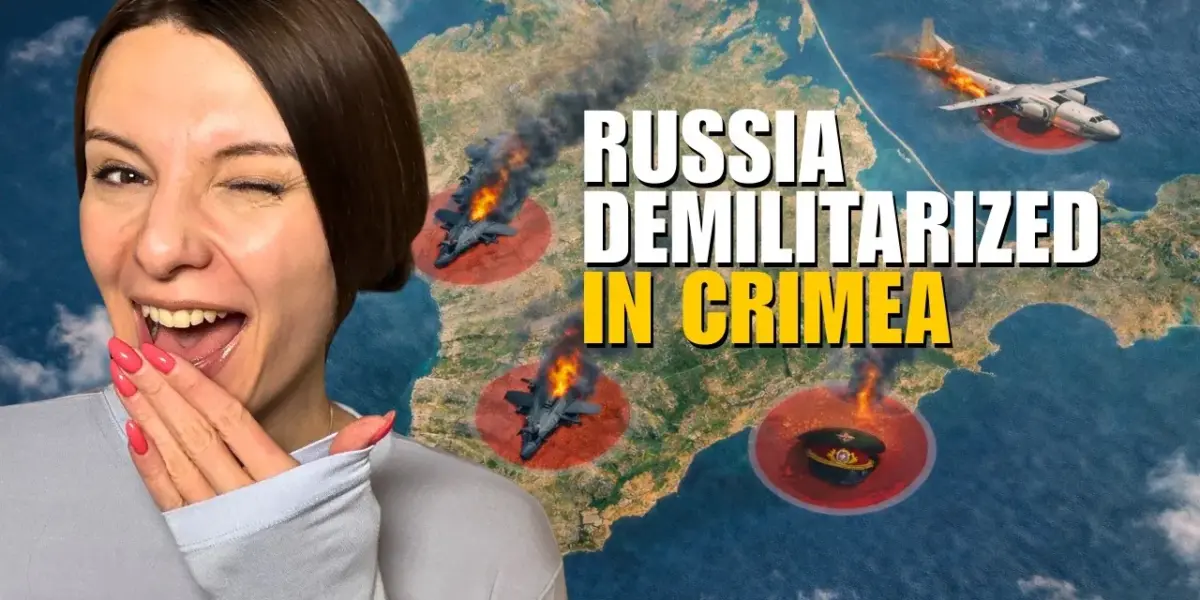
Russia has lost three military aircraft over Crimea in a single week, raising questions about its air power. The incidents, including the crash of an An-26 with senior officers, highlight challenges for Russian military strategy.

Crimea Becomes Russian Aircraft Graveyard
Russian military aircraft are facing severe losses over Crimea, a situation that has led some to liken the peninsula to a “Bermuda Triangle” for Moscow’s air power. In a single week, Russia lost three combat jets: a Su-30, an An-26, and a Su-34. The An-26, in particular, was carrying high-ranking Russian military officers, including Lieutenant General Alexandrochenko, who was reportedly responsible for aviation strategies within Russia’s northern fleet.
Mysterious Losses Puzzling Russian Military Bloggers
The exact cause of these aircraft losses remains unclear. Russian military bloggers have struggled to explain the incidents, speculating about potential Ukrainian drone activity, advanced air defense systems, or even simple mechanical failures. Regardless of the cause, the outcome is significant: the loss of valuable aircraft and experienced personnel. The An-26 crash alone resulted in the deaths of approximately 30 top military personnel. This incident highlights a broader trend, as official Russian sources acknowledge the loss of 15 generals since the full-scale invasion began in 2022, though unofficial estimates suggest the number could be over 20.
Strategic Context: Why Crimea Matters
Crimea, annexed by Russia in 2014, has become a critical strategic location in the ongoing conflict. It serves as a major staging ground for Russian military operations in southern Ukraine and the Black Sea. The peninsula hosts key naval bases and airfields, including the Saki air base, where some of these recently lost aircraft were reportedly stationed. The loss of aircraft operating over or from Crimea directly impacts Russia’s ability to project power in the region, conduct reconnaissance, and support its ground forces. It also disrupts supply lines and command structures that rely on air transport and support.
Impact on Russian Military Leadership and Morale
The death of senior officers, especially generals, represents a significant blow to Russia’s military leadership. These individuals are responsible for planning and executing military strategies. Losing experienced commanders not only creates immediate leadership vacuums but also degrades the overall quality and expertise of the Russian armed forces. This is particularly true if these losses are concentrated among those who planned the initial invasion, suggesting a potential failure in their strategic foresight. The consistent losses are also likely to impact the morale of Russian troops.
Historical Parallels: The Cost of Overreach
The situation in Crimea echoes historical instances where military overreach led to unsustainable losses. Throughout history, empires and armies have struggled when their logistical capabilities and air superiority were challenged in contested territories. The inability to effectively protect vital assets like military aircraft in a strategically important region can signal a weakening of military power. This can force a re-evaluation of objectives and strategies, as seen in past conflicts where dominant powers faltered when facing determined resistance on unfamiliar ground.
Demilitarization as a Peace Plan
From the Ukrainian perspective, these actions are framed as a necessary step towards peace. The strategy, as articulated, involves not just defeating Russian forces on the battlefield but also demilitarizing Russia itself. This includes dismantling production facilities and arsenals, but also neutralizing its strategic military capacity. The losses in Crimea are seen as evidence that Ukrainian forces are capable of inflicting significant damage on Russia’s military assets, even deep within territory considered Russian-controlled.
Broader Geopolitical Impact
The ongoing losses of Russian military assets, particularly in such a high-profile location, have broader geopolitical implications. They can influence international perceptions of Russia’s military strength and the trajectory of the war. For allies supporting Ukraine, these developments can reinforce the belief that continued assistance is effective in degrading Russian capabilities. Conversely, for those observing the conflict, it raises questions about the sustainability of Russia’s military campaign and its long-term strategic goals. The desire for a stable world order, and concerns about rising global tensions, underscore the importance of seeing such conflicts resolved.
Conclusion: A Challenging Environment for Russian Aviation
The skies over Crimea have become exceptionally dangerous for Russian military aviation. The recent loss of three jets, including one carrying high-ranking officers, underscores the effectiveness of Ukrainian defenses and the challenges Russia faces in maintaining air operations in contested areas. These events are not isolated incidents but part of a larger struggle that Ukraine views as essential for its survival and for bringing about a just resolution to the conflict.
Source: RUSSIA MILITARY AVIATION AND GENERAL GONE IN CRIMEA Vlog 1368: War in Ukraine (YouTube)

Related Articles
Russia Stalls on Ukraine Front Lines, Escalates Air Attacks
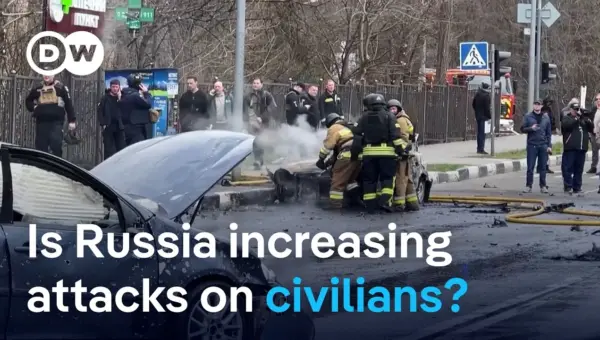
Russia has failed to make significant territorial gains in Ukraine for the first time in 2.5 years, while simultaneously escalating aerial attacks. Ukrainian officials accuse Moscow of an "Easter escalation" using drones and missiles, leading to civilian casualties and destruction. Concerns also mount over shifting global focus and the need for continued international support.


Ukraine Strikes Russian Oil Hubs, Crippling Exports
Ukrainian strikes on Russian oil export terminals are crippling Russia's ability to sell oil, impacting its war funding. This strategy, supported by U.S. policy, targets Russia's core economy and exploits its limited storage capacity, potentially leading to long-term damage to its energy sector.

North Korea Sells Arms, Labor to Russia
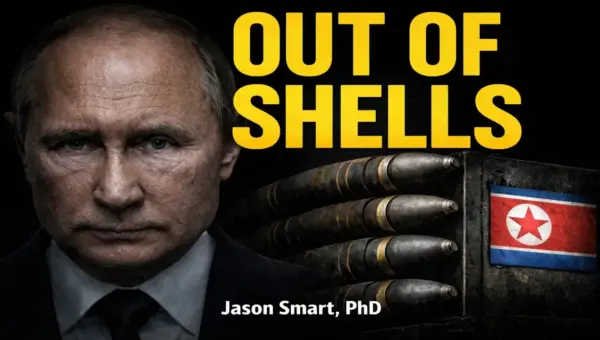
Russia's reliance on North Korea for artillery shells and labor highlights Moscow's weakening military and economic position. Meanwhile, China leverages Russia's dependence for strategic gain, demonstrating a significant shift in regional power dynamics.