Courts Push Back: How Protests Fuel Legal Battles
Massive public protests are fueling a surge of legal challenges across the country. Organizations like Democracy Forward are using these demonstrations as a springboard to fight for citizens' rights in court. Recent victories in immigration law and ongoing efforts highlight the crucial link between public action and the defense of democracy.

Courts Push Back: How Protests Fuel Legal Battles
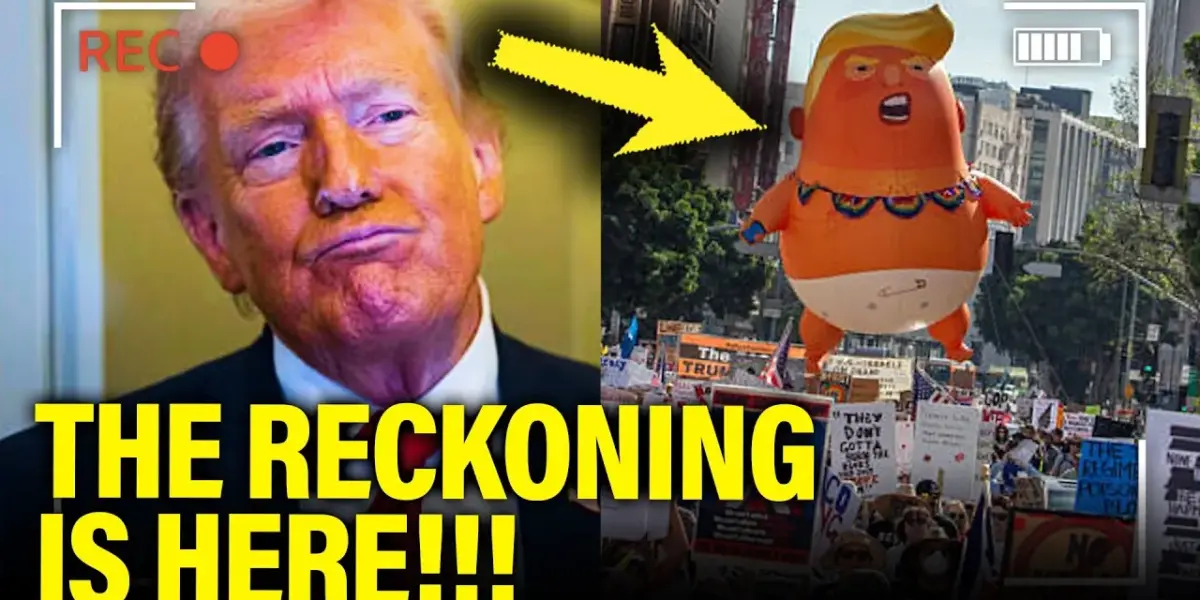
Millions of Americans have been taking to the streets to voice their concerns. These massive demonstrations, like the recent “No Kings Day” marches, show a united front. People from all walks of life are showing up, saying they won’t let democracy be weakened without a fight. This energy isn’t just happening in big cities; it’s seen in smaller towns and even in areas usually considered strongholds for one political party.
These marches are more than just protests. They represent a powerful message that everyday Americans are engaged and demanding their voices be heard. The sheer number of people participating, estimated to be between 15-20% of the voting population, sends a clear signal. It’s not just a small group; it’s a significant portion of the country making their presence known.
Democracy Forward: A Legal Frontline
Organizations like Democracy Forward are on the front lines, using the courts to defend rights. Sky Perryman, the founder and CEO, explains that their work is fueled by the public’s engagement. “The Constitution doesn’t defend itself,” Perryman states. “It has to be defended by people.” This means using the rights Americans have, including the right to protest and the right to challenge the government in court.
Democracy Forward has filed hundreds of cases against the Trump administration. In fact, over 700 cases have been filed nationwide, which is a historic number. This legal effort acts as a safeguard, protecting against actions that could harm citizens’ rights. It shows that when people stand up, they can make a difference through legal channels.
Immigration Rights and Court Victories
One significant area of legal action involves immigration rights. Democracy Forward recently won a key victory. A federal court ordered that status be restored to individuals using the CBP1 app for immigration. This app is part of a program set up by the Biden administration. The court ruled that trying to remove these individuals’ status was unlawful and unfair.
This win is especially important because it protects people who followed the rules and were waiting for their status. The administration’s attempt to deny them this was seen as a power grab, not a real immigration policy. It highlights how legal challenges can push back against policies that are harmful and unjust.
Judges Responding to Public Pressure
The courts themselves are also adapting. Initially, some federal judges may have been surprised by the speed and scale of government actions. However, they are now becoming more assertive. Judges, even those appointed by former President Trump, are holding the government accountable. This includes questioning potential misuse of AI in court and ensuring government officials comply with orders.
This shift is partly due to the visible support for democratic values seen in public protests. Judges may feel empowered by the widespread public engagement. As Perryman notes, “The federal judges have been facing a lot of threats… But you see them continuing to interpret the law… without regard to the politics of the moment.” This suggests a growing trend of judicial independence and a response to the need to uphold the law amidst political pressure.
The Supreme Court and Broader Legal System
While the Supreme Court often gets a lot of attention, the bulk of legal battles affecting people’s lives happen in lower courts. Democracy Forward’s cases, for example, are part of a much larger effort than just what reaches the Supreme Court. “The courts and the judiciary in this country have been slowing and stopping some of their most priority items,” Perryman explains. This slowing down of potentially harmful policies is itself a form of victory.
Even with a conservative-leaning Supreme Court, it’s important to remember that not every case goes the court’s way. The president, for instance, doesn’t win 100% of the time. The overall judicial system, with its many cases and appeals, serves as a crucial check on government power. There’s a growing call for reforms, such as an enforceable code of ethics for the Supreme Court, to ensure public trust in the justice system.
Why This Matters
The connection between public protest and legal action is vital for a healthy democracy. When citizens take to the streets, they create momentum and draw attention to important issues. This pressure can then influence the legal system, pushing courts and organizations to act. Democracy Forward’s work shows that persistent legal challenges, supported by public engagement, can serve as a powerful guardrail against government overreach.
The future outlook suggests that this combination of public activism and legal defense will continue to be important. As citizens become more aware of their rights and the challenges to them, they are more likely to participate in both protests and legal advocacy. This ongoing engagement is crucial for maintaining democratic principles and ensuring that the government remains accountable to the people it serves.
Historical Context
Throughout American history, public demonstrations have often gone hand-in-hand with legal and political change. The Civil Rights Movement, for example, saw massive protests that put pressure on the government and courts to address racial injustice. Similarly, anti-war protests have influenced foreign policy and public opinion. The “No Kings Day” marches and the legal cases discussed echo these historical patterns.
The current wave of activism and litigation represents a continuation of this tradition. It shows that Americans understand the power of collective action, both in the streets and in the courtroom. The effort to defend the Constitution and democratic rights is an ongoing one, building on the work of past generations and setting a precedent for future ones.
Source: Trump HIT WITH RECKONING as Protests Trigger LEGAL COLLAPSE (YouTube)

Related Articles
Trump’s Election Order Sparks Legal Firestorm Over Mail-In Ballots
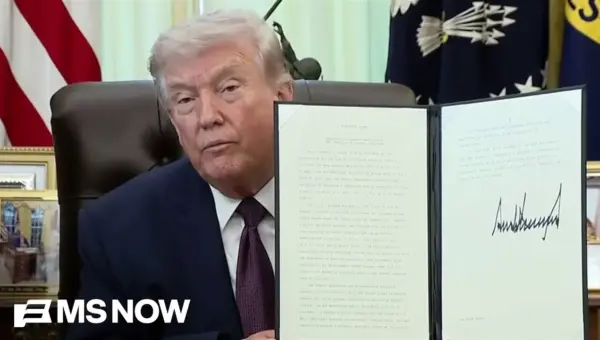
President Donald Trump has signed a controversial executive order aiming to control mail-in ballots by creating a federal citizenship list for voter eligibility. Legal experts and voting rights advocates are challenging the order, citing a lack of constitutional authority and potential for voter suppression.


Trump’s Legal Woes Mount: A Deep Dive
Donald Trump faces a barrage of legal challenges, from hush-money payments to mishandling classified documents. These cases test accountability for former presidents and could reshape the political landscape. The outcomes will have lasting implications.
Blue States Accused of Frivolous Lawsuits Against Federal Programs
America First Legal accuses blue state leaders of filing "frivolous lawsuits" against federal programs, arguing these cases lack proof of harm. The organization calls on Congress to investigate, claiming states are misusing federal courts for policy disputes.