Court Weighs Ballot Deadlines: Will Shorter Voting Times Boost Election Confidence?
The Supreme Court is reviewing a Mississippi law on mail-in ballot deadlines. An analyst suggests that limiting when ballots can arrive could significantly increase public confidence in election results. This case may also influence early voting rules and lead to federal election standards.

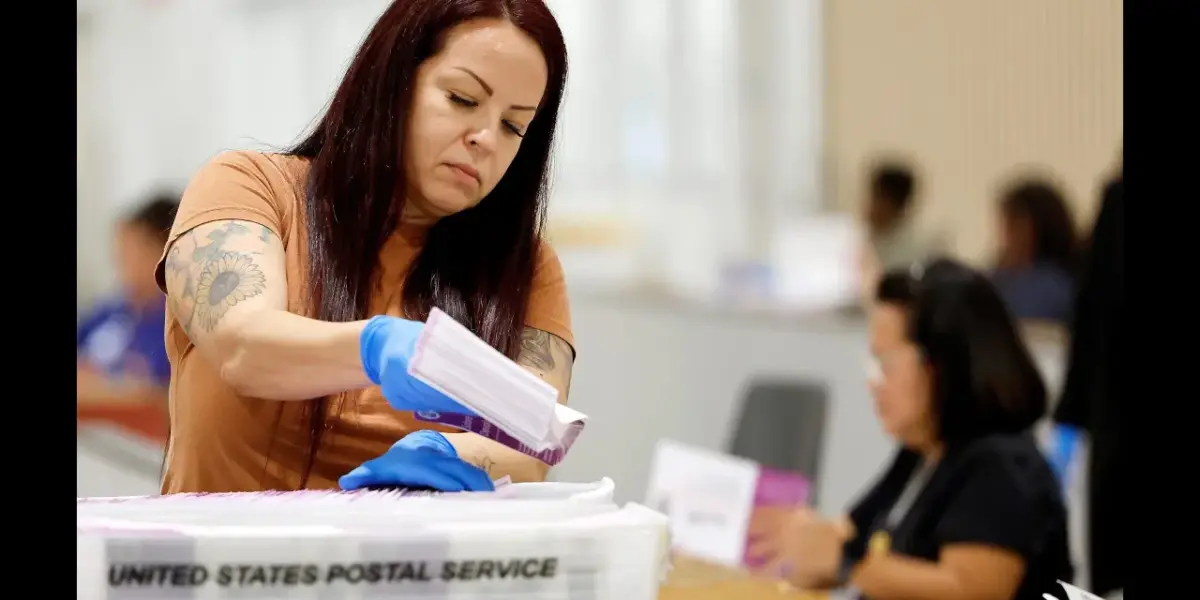
Supreme Court Considers Ballot Arrival Rules
The U.S. Supreme Court recently heard arguments about a Mississippi law that sets a strict deadline for mail-in ballots to arrive. This case could change how several states handle mail-in votes. Currently, 14 states and Washington D.C. allow mail-in ballots to be counted even if they show up after Election Day. The core question is whether limiting the time ballots can arrive boosts trust in our elections.
Concerns Over Election Integrity
During the court’s discussion, Justices Samuel Alito and Brett Kavanaugh raised concerns about election fraud. Justice Kavanaugh asked if thinking about fraud risks should be part of the decision. Mississippi’s lawyer suggested that while risks exist with mail-in voting, they can be managed. However, Justice Kavanaugh pointed out that the risks of fraud might not change much whether a ballot arrives on Election Day or a week later.
“Confidence in the election process? Just curious how we factor that in here.”
– Justice Brett Kavanaugh
Perception vs. Reality of Fraud
Josh Finley, Director of the National Election Protection Project at the Texas Public Policy Foundation, believes that stopping late ballots will greatly reduce the perception of fraud. He explained that when election results seem to flip overnight, it shakes people’s confidence. This is especially true when ballots arrive days or even weeks after Election Day, as happened in California where counting continued for 33 days. Even if actual fraud is rare and not enough to change outcomes, the long counting periods create doubt about the process and how ballots are handled.
The Pandemic’s Impact on Voting Rules
The practice of accepting ballots after Election Day often began during the COVID-19 pandemic as an emergency measure. Finley argues that these emergency rules, which sometimes lowered transparency and security, should not become permanent. He feels it’s time to return to normal election procedures now that the emergency is over. He stressed that people want election results as soon as possible after Election Day, not weeks later.
Evolving Election Seasons
Justice Alito noted how elections have changed from a single day to a longer period. “We don’t have election day anymore. We have election month or we have election months,” he stated. This observation suggests that the traditional idea of a single Election Day is outdated. Finley agreed that this case could lead to restrictions on practices that have stretched out the election process over many years, potentially improving transparency and security.
Impact on Early Voting and Future Cases
A Supreme Court ruling in this Mississippi case could affect early voting rules in other states. Finley suggests it might open the door to shortening the overall election season. He mentioned that many election administrators might welcome this. Running early voting for extended periods, sometimes 45 days, is a significant burden on staff, campaigns, and local governments. A more defined, shorter election season could be beneficial for everyone involved.
Federal Standards and Election Confidence
States have the authority to set their own election rules, but concerns about integrity are bringing the issue to the federal level. This case could set a precedent for federal requirements. Finley pointed to proposals like the Save America Act, which suggest minimum federal standards for things like voter ID. Similarly, this case could establish a minimum standard for ballot arrival deadlines. The goal is to shorten election seasons and build more confidence in the results.
Timing and Midterm Elections
The Supreme Court typically avoids making major election rulings close to an election to prevent confusion. A decision in this case is expected in June or July, which is several months before the November midterms. Finley believes this timing would likely give enough time to implement any new rules. However, he noted that primary elections are already happening, and a ruling might affect them differently if it comes after they’ve started under existing rules.
Why This Matters
This Supreme Court case is more than just a legal debate about ballot deadlines; it’s about the public’s faith in the democratic process. When election results are delayed or seem to change unexpectedly, it erodes trust. By potentially limiting when mail-in ballots can be received, the Court could address concerns about fraud and the perception of fraud. This could lead to quicker, clearer results, which Finley argues would significantly boost overall confidence in how elections are run. The outcome might also influence how states manage early voting and could lead to more federal involvement in setting election standards, aiming for a more stable and trusted electoral system nationwide.
Looking Ahead
The trend towards longer voting periods, amplified by the pandemic, has raised questions about election efficiency and security. This Supreme Court case offers a chance to re-evaluate those practices. If the Court rules to limit late-arriving ballots, it could signal a move back towards more traditional election timelines. This might simplify election administration and potentially restore faith for voters who feel the process has become too long and complicated. The future could see a push for clearer, more uniform rules across states to ensure every vote is counted fairly and efficiently.
Source: Limiting When Ballots Can Come in Drastically Increases Confidence in Electoral Process: Analyst (YouTube)

Related Articles

Supreme Court Cases Threaten Rights, But Congress Holds a Fix
The Supreme Court's recent hearings on mail-in ballots and asylum suggest rulings that could restrict voting access and limit refugee claims. However, these decisions are based on statutes, giving Congress the power to enact fixes if Democrats regain power, potentially safeguarding these rights.

Voter ID: Common Sense or Suppression?
A growing debate surrounds voter ID laws, with proponents calling them a common-sense measure against fraud and opponents fearing voter suppression. Many countries and U.S. states already require ID to vote.


Election Battles Erupt: Citizens Fight Back Against Gerrymandering
Citizens are fighting back against what they see as unfair election practices and gerrymandering. In Missouri, a grassroots movement is using a citizen initiative process to challenge new district maps and ensure voters have the final say. This struggle for fair representation highlights a growing trend of civic engagement.