Cost of Living Crisis Will Define Starmer’s Leadership, Not Foreign Policy
Political analysts suggest that while Labour leader Keir Starmer may feel confident about his handling of the Middle East crisis, voters will ultimately judge him on the economy. The looming cost of living crisis is expected to overshadow foreign policy debates and could significantly impact any government's popularity. Meanwhile, a discussion around public intervention in shoplifting highlights broader societal concerns.

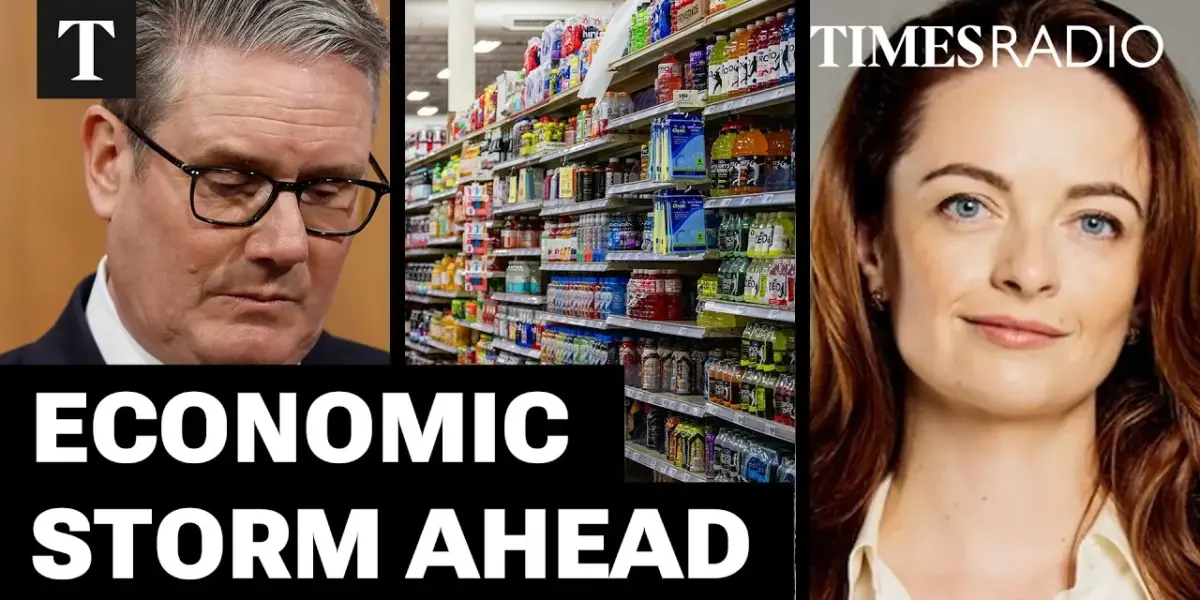
Voters to Judge Starmer on Economy, Not Middle East
While UK Labour leader Keir Starmer may feel confident about his handling of the Middle East crisis, political insiders suggest that voters will ultimately judge his leadership on the pressing issue of the cost of living. MPs within his own party, even those usually critical, believe he has navigated the international situation well. However, this confidence is seen as politically irrelevant in the face of an impending economic downturn that could severely impact any government.
Shoplifting Debate: Vigilantism or Community Spirit?
A recent interview with a prominent political figure sparked debate about public intervention in crimes like shoplifting. When asked if she would intervene if she witnessed shoplifting, the politician stated it would depend on the size of the offender but generally, her instinct would be to step in. She suggested that those who are stronger have an obligation to do more, sending a message that such behavior is unacceptable. This sentiment has drawn criticism, with some calling it a call for vigilante justice, arguing that it’s not the role of ordinary citizens to confront criminals, especially when facing personal risk.
One analyst noted that while it’s easy to suggest intervention when police are present, it’s much harder when alone. This kind of sentiment might grow as faith in public services wanes. The argument is that citizens should be allowed to go about their daily lives without the burden of policing.
“People should look after their personal safety. Um I think those people who are um stronger uh should do more… But I also think that sometimes we need to send a message that this is not acceptable.”
The discussion highlighted the increasing brazenness and scale of shoplifting incidents, with organized groups scooping up goods from stores. While the sentiment might resonate with voters, the question remains whether this is the right approach for political leaders to endorse. The potential consequences of citizens intervening and facing harm were also raised, emphasizing the need for caution in public calls to action.
Economic Headwinds Loom Over Political Confidence
Despite perceived success in navigating the Middle East crisis, the Labour party, and potentially the government, face a significant challenge from the economy. Number 10 Downing Street and Starmer’s team reportedly feel confident about his stance on international law and his ability to articulate consistent positions. However, this confidence is overshadowed by the looming economic hit that is already being felt. Experts predict this economic pressure could cripple any government, regardless of its popularity.
The focus on international affairs, such as the Strait of Hormuz, is seen as less immediately relevant to voters than the rising cost of energy bills and the broader cost of living crisis. While international events might influence energy prices, the core issue for the public is the affordability of daily life. Labour MPs are reportedly divided on the potential trade-offs and funding solutions required to address these economic challenges, particularly concerning sensitive areas of government spending like foreign aid.
Starmer’s Leadership: A Political Football?
Keir Starmer appears confident, and his team projects this assurance, believing he is on the right side of arguments concerning international issues. This confidence is partly fueled by using the current geopolitical situation as a political tool, attacking opposing parties’ stances and reinforcing his own judgment. This strategy aims to build trust for him to handle other critical issues.
However, this political maneuvering is considered irrelevant by some analysts. The real test for Starmer, and any government, will be the impending economic downturn. The cost of living crisis is expected to be so severe that it will be difficult for anyone to manage. Historically, when the cost of living squeeze intens default, governments often lose public support, regardless of external factors like global conflicts or pandemics.
The timing of these economic pressures is seen as particularly unfortunate for the current government, which may have been poised to capitalize on falling interest rates and energy bills. Instead, they face the prospect of another economic downturn.
The Opposition’s Stance on International Crises
The opposition, particularly figures like Keir Starmer, has been vocal on the Middle East crisis. Starmer has used the situation to criticize other parties, framing his own position as consistent and principled. His team believes this approach is politically beneficial, allowing him to contrast his judgment with that of others.
However, there’s a debate about the effectiveness of this strategy. While Starmer might be reinforcing his position within his own party, it’s questionable whether it resonates with the wider public as a decisive factor in their voting choices. The public’s primary concern remains their personal financial well-being.
Economic Squeeze: The Real Political Test
The transcript repeatedly emphasizes that the cost of living crisis will be the defining issue for voters. While politicians may focus on foreign policy or international law, the everyday struggle with rising bills and economic uncertainty will likely dominate public opinion. The analysis suggests that voters experiencing financial hardship are unlikely to reward a government that they feel has not adequately supported them, regardless of how well it handled international diplomacy.
The arrival of oil tankers, shipped before the conflict, may offer a temporary buffer, but the true impact of the economic squeeze is yet to be fully felt. When this hits, the political consequences for the incumbent government could be severe. The upcoming energy price cap changes in July are expected to worsen the situation, and current government interventions may not be sufficient.
Government’s Economic Response: Balancing Act
The government is attempting to reassure households about falling bills due to previous interventions. They are reportedly working on a more targeted support package to be announced later. However, there is a clear reluctance to implement large, untargeted spending measures, like the 40 billion pound package seen previously, due to affordability concerns.
The challenge lies in targeting support effectively. Setting income or benefit limits will inevitably leave some struggling individuals just outside the eligibility criteria, creating a sense of unfairness. This difficulty in targeting aid, coupled with a lack of comprehensive data, makes finding effective solutions complex and expensive. The scale of past support, like the 80 billion pounds following the Ukraine war, highlights the financial strain, leading to calls for more focused aid to those most in need.
Internal Party Dynamics and Future Leadership
Within the Labour party, there is considerable worry about the upcoming local elections in May. While Starmer receives praise for his handling of international issues, many MPs privately concede that they don’t see how he can personally turn the economic tide. The departure of a key figure from his team has led to some willingness to see how Starmer performs without them, with a segment of the party pushing for a shift towards more left-leaning economic policies, including wealth taxes and increased borrowing for public services.
There is frustration with the current economic team’s perceived inflexibility. Meanwhile, union leaders have publicly suggested that a leadership challenge against Starmer is likely after the May elections, signaling a potential battle for the party’s direction. However, some analysts argue that the assumption of Starmer’s departure is premature, as there is no clear consensus on a successor or a viable alternative platform.
Looking Ahead: The Economic Reckoning
As the political landscape shifts, the focus is increasingly turning towards the economic realities facing the UK. The upcoming months will likely see the full impact of the cost of living crisis unfold, testing the resilience of both the government and the opposition. How political leaders respond to this challenge, particularly in providing targeted and effective financial support, will be crucial in shaping public opinion and determining the political outcomes in the near future.
Source: Voters Will Judge Starmer on Cost-of-Living, Not Middle East Crisis | Anna Mikhailova (YouTube)

Related Articles
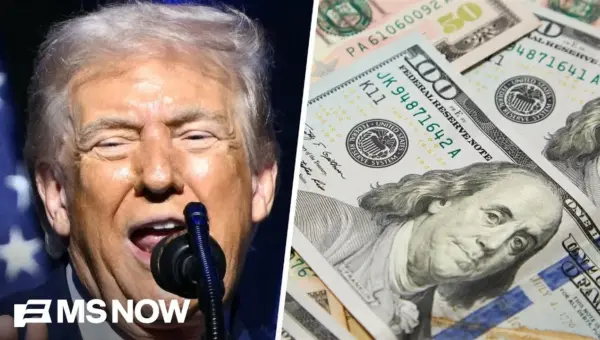
Polls Reveal Deep Voter Concerns Over War, Economy for Trump
Recent polls and political analysis suggest President Trump faces significant challenges due to voter concerns about the prolonged conflict in Iran and the struggling economy. Republicans are growing anxious as these issues impact the president's standing, while Democrats see an opportunity to present themselves as a more stable alternative.

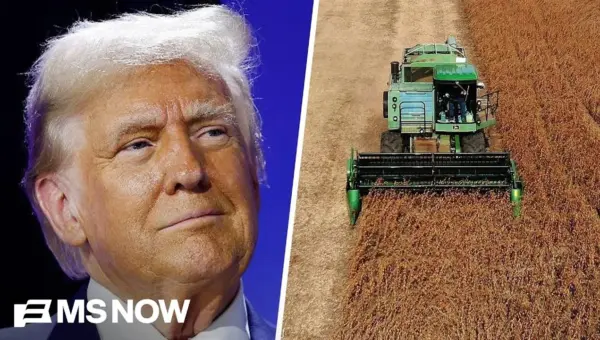
Farmers slam ‘out of touch’ administration policies
John Boyd Jr. of the National Black Farmers Association criticized the White House for being "out of touch" with struggling farmers. He highlighted rising costs for fertilizer and fuel, a lack of invitations to key events, and the urgent threat of farm foreclosures, calling the administration's proposed solutions inadequate.
Trump Makes Bold Promises at Investment Summit
Former President Donald Trump addressed the FII PRIORITY Summit, outlining his economic vision. He promised deregulation, tax cuts, and protectionist trade policies aimed at boosting American jobs and competitiveness. These remarks signal potential future economic directions.