Corruption and Accountability: A Deep Dive
This analysis delves into the critical issues of corruption and accountability in politics. It examines the controversial use of presidential pardon powers, perceived double standards in applying laws like the Hatch Act, and the need for robust investigations into serious allegations against public figures. The piece explores proposed measures to "Trump-proof" government and the Democratic Party's challenge in upholding its own ethical standards.

Corruption and Accountability: A Deep Dive
In the world of politics, accountability is a cornerstone of a healthy democracy. When that accountability falters, especially at the highest levels, the consequences can be far-reaching. This analysis explores serious allegations against prominent political figures, examining the abuse of power and the crucial need for ethical conduct.
The Pardon Power: A Tool for Justice or Cover-Up?
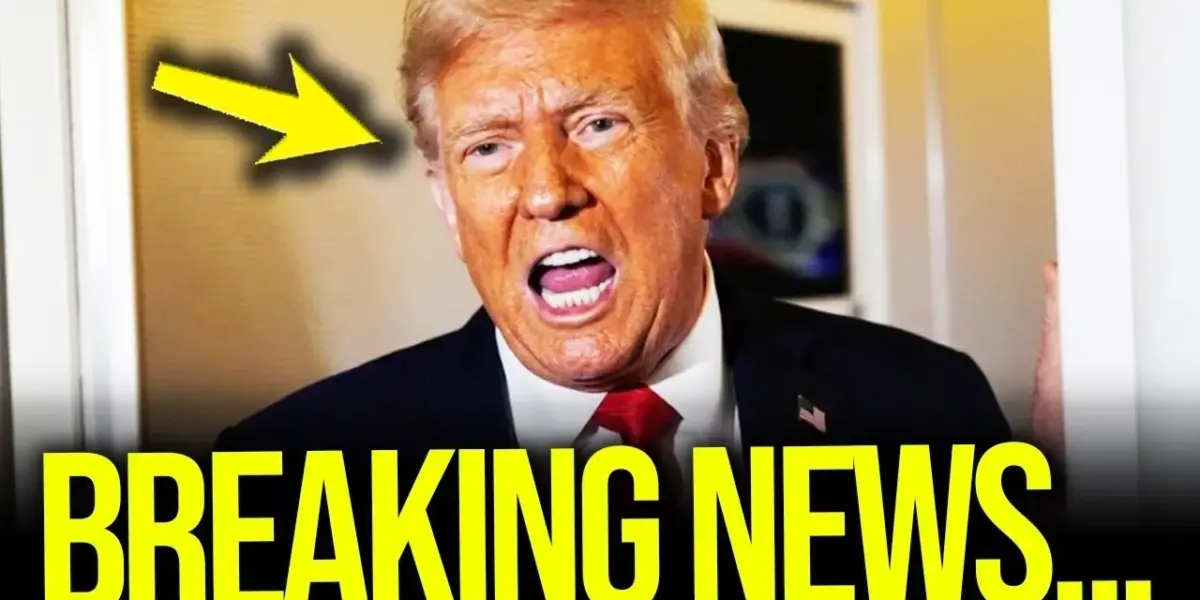
The use of the presidential pardon power has become a significant point of discussion. Critics argue that former President Donald Trump has used this power not to correct injustices, but to shield allies and himself from consequences. Examples cited include pardons for individuals involved in the January 6th events, fake electors who attempted to overturn the 2020 election, and figures convicted of serious crimes like bribery and money laundering.
One argument presented is that Trump’s approach to pardons is not a matter of jokes or misunderstandings, but a deliberate strategy. The transcript suggests that Trump’s administration saw pardons as a way to reward loyalty and potentially benefit from quid pro quo arrangements. This is contrasted with President Biden’s pardons, which, while questioned by some, are seen as less extensive and not indicative of systemic corruption.
“He pardoned 1500 people from January 6. He pardoned 77 people who were the fake electors who tried to help him overturn the 2020 election… It’s the most corrupt administration in American history.”
The implications of such actions extend beyond individual cases. It creates a perception that certain individuals are above the law, potentially encouraging further misconduct. The idea that proximity to power grants immunity is a dangerous precedent for any government.
The Hatch Act and Unequal Application of Rules
The Hatch Act, which limits certain political activities of federal employees, serves as another example of perceived double standards. Historical context shows that even minor violations by government workers could lead to severe consequences, like being sent home without pay. However, the narrative suggests that during the Trump administration, individuals close to the president seemed exempt from such rules.
An anecdote is shared about a father, a long-time federal employee, who would have faced severe repercussions for displaying political yard signs. This is juxtaposed with the idea that those in Trump’s inner circle could potentially engage in more significant political activities without facing similar penalties. This disparity fuels public distrust and questions the fairness of the legal and ethical framework governing public officials.
The Rise of “Project 2029” and “Trump-Proofing” the Government
In response to the perceived erosion of accountability, there is a growing call for measures to prevent future abuses of power. Concepts like “Project Northstar” or “Project 2029” are proposed as roadmaps to “Trump-proof” the government. These initiatives aim to:
- Explicitly criminalize attempts to overturn election results.
- Establish clear criminal definitions for officials undermining elections.
- Potentially restrict presidential pardon authority.
- Regulate AI in political advertising to prevent the creation of deceptive content.
The goal is to create a system where individuals cannot exploit loopholes or abuse their positions for personal gain or to subvert democratic processes. The idea is to learn from past events and build stronger safeguards for the future.
Allegations Against Eric Swalwell: A Test of Democratic Accountability
The analysis also addresses serious allegations of sexual misconduct against Representative Eric Swalwell. The transcript details accusations from multiple women, including a former staffer who alleges rape. These claims, which Swalwell denies, have sparked debate about how political parties should handle such accusations, especially when they involve prominent figures within their ranks.
A key point of contention is the reaction to these allegations. Some argue that the Democratic Party must hold its own accountable, even when it’s difficult. This stance is contrasted with the Republican Party’s approach, where, according to the speakers, accountability is often lacking. The fear is that by not addressing credible allegations, the Democratic Party could become a mirror image of what they oppose.
“We need an investigation. People who abuse others and commit crime should be held accountable whether you on the left, whether you’re on the right. Accountability is so incredibly important in politics.”
The discussion highlights the complexity of these situations, touching upon power dynamics in the workplace and the pressure individuals, particularly women, may face when reporting misconduct. The evidence presented, including corroborating statements and text messages, lends weight to the claims, leading to calls for thorough investigation and potential withdrawal from the gubernatorial race.
Why This Matters
The core issue discussed is the erosion of trust in political institutions due to a perceived lack of accountability. When powerful individuals appear to escape consequences for their actions, it damages the public’s faith in the fairness and integrity of the system. This can lead to cynicism, disengagement, and a breeding ground for further corruption.
The debate over pardons, the application of laws like the Hatch Act, and the handling of serious allegations against elected officials are not just political talking points. They are indicators of the health of a democracy. A system that protects the powerful while punishing the ordinary citizen is fundamentally broken.
Implications, Trends, and Future Outlook
The trend observed is a growing demand for accountability across the political spectrum. While the transcript focuses on criticisms of the Trump administration and issues within the Democratic Party, the underlying sentiment is a desire for ethical governance. The proposed “Trump-proofing” measures suggest a proactive approach to safeguarding democratic institutions.
The future outlook hinges on whether political parties can genuinely commit to holding their own accountable. The risk of becoming a “mirror image” of opposing parties, driven by grievance and a lack of ethical standards, is a significant concern. The success of future administrations may depend on their ability to demonstrate a commitment to justice and integrity, rebuilding public trust one action at a time.
Source: We’re taking them all down. (YouTube)

Related Articles

Hungary Votes: Orban Faces Upset Amid Corruption Scandals
Hungary's Prime Minister Viktor Orbán faces a potential electoral defeat today after 16 years in power. Despite efforts to control the system, corruption scandals and voter fatigue have boosted opposition challenger Péter Márki-Zay. The election could signal a rejection of Orbán's 'illiberal democracy'.

Schiff, Gallego Yank Support Amid Assault Claims
Congressman Eric Swalwell faces a significant political crisis as key allies Senator Adam Schiff and Senator Ruben Gallego withdraw their endorsements for his California gubernatorial bid. Swalwell denies multiple allegations of assault and harassment, vowing to stay in the race despite his campaign co-chairs also resigning.

Pelosi Urges Swalwell to Exit Governor Race Amid Misconduct Claims
Congressman Eric Swalwell is facing intense pressure to withdraw from California's gubernatorial race following sexual assault allegations. Former Speaker Nancy Pelosi has publicly urged him to leave the campaign, stating the matter is best handled outside of his run for governor. Swalwell denies all wrongdoing, but several key supporters have withdrawn endorsements.