Construction Goes Electric: The Toughest EVs Conquer the Job Site
The construction industry is embracing electrification, with a wide array of powerful electric vehicles showcased at Con Expo. From mini excavators to massive dump trucks, these EVs offer reduced emissions, lower noise, and impressive performance, signaling a significant shift in heavy equipment technology.

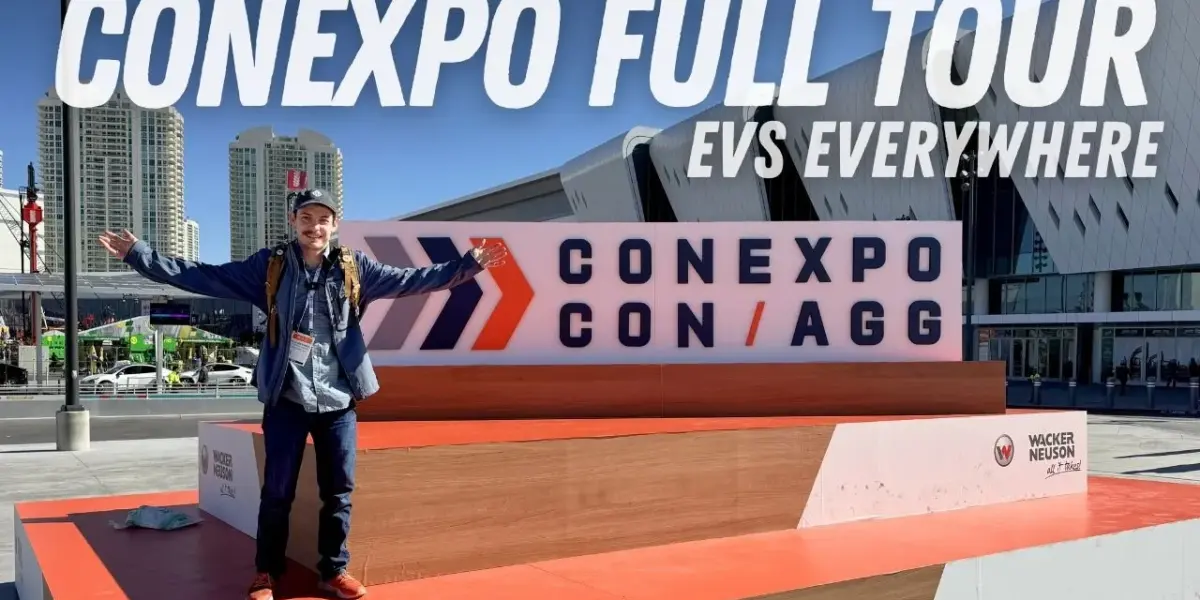
Electrification Hits the Construction Site: The Future of Heavy Equipment is Here
The construction industry, long dominated by the roar of diesel engines, is undergoing a seismic shift. At the recent Con Expo in Las Vegas, the sheer volume of electric construction equipment on display revealed that electrification isn’t just a trend; it’s a revolution. From miniature excavators to colossal dump trucks, the biggest, baddest, and most useful EVs are ready to tackle the toughest jobs, offering reduced emissions, lower noise, and impressive performance.
Mini Excavators Get an Electric Jolt
The show floor buzzed with a variety of electric mini excavators, showcasing the versatility of battery power in compact machinery. The Takachi TB20E, a machine that debuted three years ago, continues to impress. It offers the flexibility of continuous operation via a tethered connection or the freedom of battery power. Its charging solution was prominently displayed, highlighting the growing infrastructure to support these electric workhorses.
Yanmar also showcased its electric compact wheel loader. While specific battery details were scarce, the approximately 30-horsepower powertrain demonstrates a clear move towards electric power in this popular equipment class. Hyundai presented its electric mini excavators, which were put to the test in an operator challenge where participants aimed to pick up soccer balls. The demonstration highlighted the machines’ remarkably quiet operation and precise control, attributes that are particularly beneficial for indoor work and tasks requiring delicate manipulation.
Kamazu’s PC1 electric excavator stands out as the world’s smallest purchasable excavator. This compact, sit-on machine is ideal for indoor applications, small projects, and navigating tight spaces, proving that electric power can be scaled down for specialized needs.
Tackling Tougher Tasks: Larger Electric Equipment
The electrification trend extends far beyond mini excavators. The Lingong Group off-highway dump truck is a prime example of raw power meeting electric efficiency. This massive machine boasts a battery capacity exceeding half a megawatt, with an option for a 600 kWh battery. Its sheer scale is awe-inspiring, featuring gigantic differentials, a split battery system across the chassis, and colossal tires. With a payload capacity of approximately 70 metric tons, this electric behemoth redefines heavy-duty hauling.
Volvo demonstrated its commitment with the EC230 electric excavator, available for demos at the show. This machine features an automatic grading function for enhanced productivity and boasts an improved battery capacity for a full 8-hour runtime, making it a strong contender in the larger electric excavator market, particularly popular in Europe and gaining traction in the US.
In the wheel loader segment, Volvo presented the L120, a nearly 14-metric ton machine with a 12.5 cubic yard bucket, and the new-generation L25 electric wheel loader, now featuring improved battery capacity and air conditioning. LGong, a significant player in the wheel loader market, showcased its electric offerings, including what it claims to be the largest electric wheel loader globally. Having sold an estimated 15,000 electric wheel loaders, LGong is a leader in this space, with its largest model capable of an 8-hour runtime.
Specialized Electric Solutions
Beyond the mainstream construction equipment, the show highlighted specialized electric solutions. First Green, in partnership with Coral, presented an electric concrete 3D printer and electric skid loaders utilizing lithium iron phosphate battery chemistry. These machines, built in the Czech Republic, range from remote-controlled units to traditional operator-driven skid loaders.
The SY electric forklift captured attention as potentially the largest electric forklift ever seen. Weighing nearly 50,000 lbs with a lifting capacity of 35,000 lbs, this impressive machine features a touchscreen display and joystick controls.
Hitachi’s ZX17U mini excavator offers a unique feature: quick-swappable batteries, developed in partnership with Daim, allowing for minimal downtime. Manitu showcased compact and rotating telehandlers, with one unit featuring a rotating boom and forks – a novel feature for this type of equipment.
Bobcat’s T7X and S7X electric skid loaders, though not physically present, were mentioned for their innovative design, utilizing ball and screw linear actuators instead of a traditional hydraulic system, eliminating hydraulic fluid entirely.
The Future of Powertrains and Charging
The exhibition also provided a glimpse into the future of electric powertrains and charging infrastructure. Companies like Volvo Penta showcased modular electric powertrain systems. Danfoss displayed electric hydraulic pump solutions and onboard chargers with up to 44 kW AC charging power.
Powertrain manufacturers such as Kessler and ZF presented a range of electric axle and motor solutions for heavy-duty applications. Omni Powertrain Technology highlighted its stackable axial flux motors, capable of delivering significant power from compact units, alongside advanced power electronics and two-speed gearboxes.
The presence of charging network providers like Ayana, North America’s premier charging network, underscores the growing ecosystem supporting electric construction equipment. With a commitment to reliability and customer experience, Ayana is paving the way for widespread EV adoption across all sectors.
Who is This For and Is It Worth It?
The target buyer for these electric construction vehicles ranges from large corporations seeking to meet sustainability goals and reduce operating costs (lower fuel and maintenance expenses) to smaller contractors looking for quieter, emission-free solutions for urban or sensitive environments. The initial purchase price of electric construction equipment can be higher than its diesel counterparts, but the total cost of ownership is often lower due to reduced energy and maintenance costs. As battery technology improves and production scales up, prices are expected to become more competitive.
Verdict
The Con Expo in Las Vegas has unequivocally demonstrated that the electrification of the construction industry is not a question of ‘if’ but ‘when.’ The range and capability of electric excavators, loaders, dump trucks, and specialized equipment are rapidly advancing. While challenges like charging infrastructure and initial cost remain, the benefits of reduced emissions, lower noise pollution, and potentially lower operating costs are undeniable. The future of construction is electric, and these powerful, efficient machines are leading the charge.
Source: Construction Sites Are Going Electric! The Biggest, Baddest, & Most Useful EVs For The Job Site (YouTube)

Related Articles

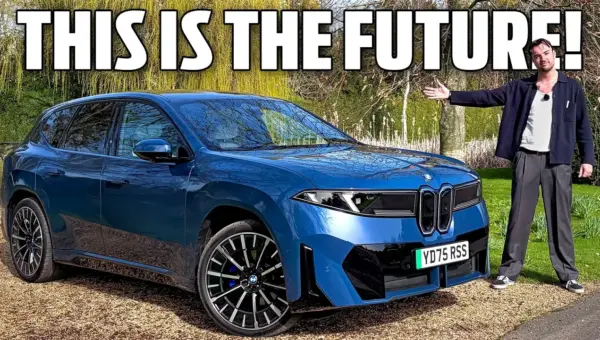
BMW iX3 Rewrites the Rules of Automotive Tech
The new BMW iX3 redefines automotive technology with its 'Shy Tech' philosophy, seamlessly integrating advanced features without overwhelming the driver. Boasting an impressive 500-mile range and a competitive price, it offers a glimpse into the future of intuitive and engaging car design.

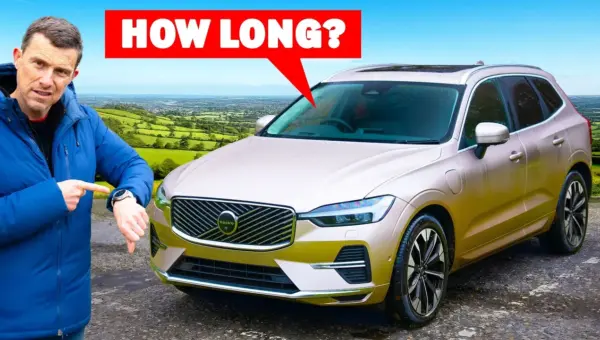
Volvo XC60 Refuses to Age: Still a Family SUV King?
The Volvo XC60 receives subtle yet significant updates, proving its enduring appeal in the premium SUV market. With an upgraded interior, refined performance, and a focus on safety, it remains a compelling choice for families.


Maybach SL 680: More Logos Than Luxury?
The 2026 Mercedes-Maybach SL 680 Monogram Series arrives with a powerful V8, lavish interior, and an unprecedented number of Maybach logos. We explore if this ultra-luxury roadster is a masterpiece of opulence or an emblem overload.