Conspiracy Theories Face Pushback Online
A TPUSA spokesman sees a positive trend of the public pushing back against online conspiracy theories, calling it the internet developing 'antibodies' to misinformation. He criticized a Daily Mail headline for fueling conspiracy narratives but felt 'sane voices' countered them, giving him encouragement.

Conspiracy Theories Face Pushback Online
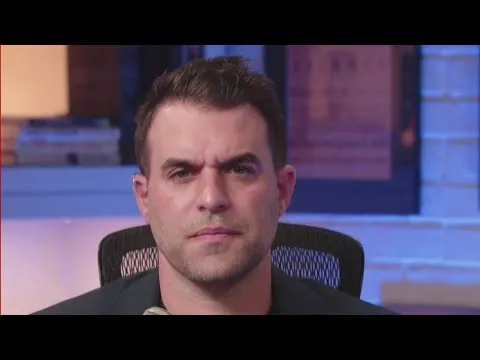
A spokesman for Turning Point USA (TPUSA), Andrew Kolbitz, expressed optimism about a growing trend: people are starting to push back against online conspiracy theories. He spoke about this on Chris Cuomo’s show. Kolbitz felt a recent Daily Mail headline about Charlie Kirk was an example of bad reporting. He called it ‘media malpractice.’ The headline, he believes, fed into online conspiracy theories that exploded after Kirk’s ‘assassination’ claims. He requested corrections, but they haven’t happened yet.
Despite the frustrating headline, Kolbitz sees a positive sign. He compared it to the internet developing ‘antibodies’ to ‘crazy stuff.’ When the headline first came out, the usual suspects, including Russian actors, tried to use it. However, something different happened this time. Many ‘sane voices’ spoke out against the conspiracy theories. By the next morning, these dissenting voices seemed to have quieted the spread of misinformation. While some people will never listen to common sense, Kolbitz felt there was a shift. He is encouraged by this development.
Kolbitz believes people are gaining courage to speak the truth. Before, these conspiracy theories often spread unchecked. Now, it feels like there’s a growing resistance. He hopes this trend continues. He doesn’t want more negativity, especially during a time that should be about hope and renewal. He mentioned the Christian belief in rebirth and renewal through the crucifixion and resurrection of Jesus. He wished everyone a good Holy Week and hoped for ‘rebirth and renewal’ for all, regardless of belief.
Key Takeaways:
- A TPUSA spokesman believes people are increasingly pushing back against online conspiracy theories.
- He criticized a Daily Mail headline as ‘media malpractice’ for fueling conspiracy narratives.
- He noted that ‘sane voices’ countered the conspiracy theories, a positive sign of public pushback.
- This resistance is seen as the internet developing ‘antibodies’ to misinformation.
- The spokesman hopes this trend of speaking truth and resisting negativity will continue.
Global Impact
The spread of misinformation and conspiracy theories online is a major global challenge. These theories can influence public opinion, sow distrust in institutions, and even incite real-world violence. When people start to critically evaluate and push back against these narratives, it can strengthen democratic discourse. It shows a growing media literacy among the public. This collective effort to counter false information is vital for maintaining a healthy information environment. It suggests that the tide might be turning against those who seek to manipulate public opinion through lies and fear.
Historical Context
Throughout history, propaganda and misinformation have been used to influence populations. From wartime posters to modern social media campaigns, the goal remains the same: to shape beliefs and actions. The rise of the internet and social media has amplified the speed and reach of these messages. However, this also means that counter-narratives and fact-checking can spread just as quickly. The current pushback against conspiracy theories echoes historical movements that sought to expose falsehoods and promote truth. It is a continuous struggle between those who seek to deceive and those who strive for accuracy.
Economic Leverage
While not directly discussed in this specific commentary, the spread of conspiracy theories can have economic implications. For example, misinformation about public health can affect consumer behavior and market stability. Similarly, conspiracy theories targeting specific companies or industries can impact stock prices and investment. The Daily Mail headline mentioned by Kolbitz, if it influenced public perception negatively, could indirectly affect the organizations and individuals involved. Conversely, the ability of ‘sane voices’ to counter these narratives can help stabilize public trust and, by extension, economic confidence.
Future Scenarios
One possible future scenario is that the public’s ability to discern truth from fiction continues to improve. This would make it harder for purveyors of conspiracy theories to gain traction. Another scenario is that bad actors become more sophisticated in their methods, developing new ways to spread misinformation. This would require constant vigilance and adaptation from individuals and platforms alike. A third possibility is a continued back-and-forth, where periods of public skepticism are followed by waves of belief in new conspiracies. The outcome will likely depend on ongoing efforts in education, media literacy, and platform accountability.
Source: TPUSA spokesman 'encouraged' by response to latest Charlie Kirk conspiracy | CUOMO (YouTube)

Related Articles

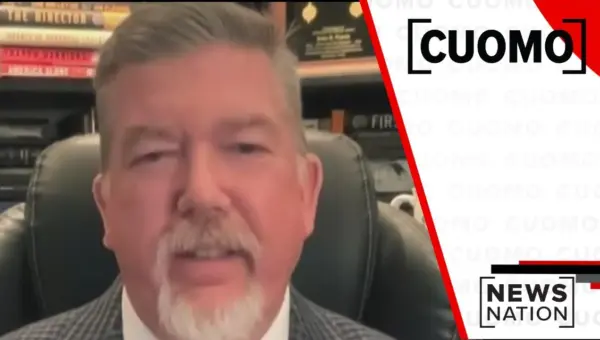
New Defense Tactic Fuels Conspiracy in Kirk Case
A defense claim about bullet fragments in the Tyler Robinson case is misleading, according to a former FBI agent. The agent explains that bullet fragments are common and don't always provide definitive matches, unlike other strong evidence present. This tactic risks fueling conspiracy theories.

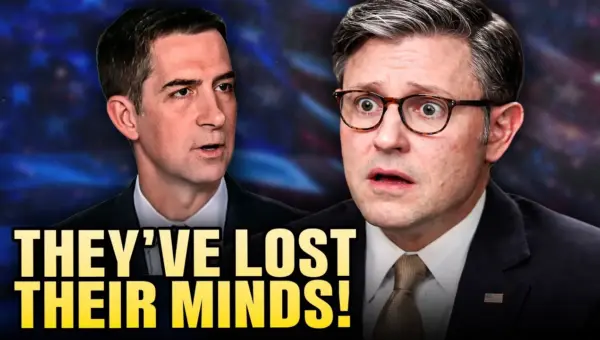
GOP’s Grip on Reality Loosens: A Descent into Lies?
Senator Tom Cotton's recent claims about TSA funding and Democratic motives have sparked debate, suggesting a disconnect from facts. The analysis questions whether Republican politicians are deliberately spreading falsehoods to their base, leading to a potential "psychosis" where lies are accepted over reality.

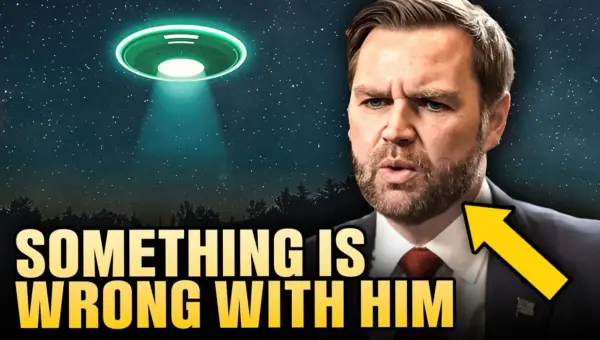
Vance’s UFO Theory: Demons, Not Aliens, Raise Concerns
Vice President J. D. Vance has suggested that UFOs are not aliens but demons, sparking debate. This interpretation, rooted in religious beliefs, contrasts with scientific inquiry and raises questions about how we understand the unknown. The discussion highlights the diverse ways people interpret unexplained phenomena.