Console Wars Reignite: Sony Retreats, Xbox Evolves
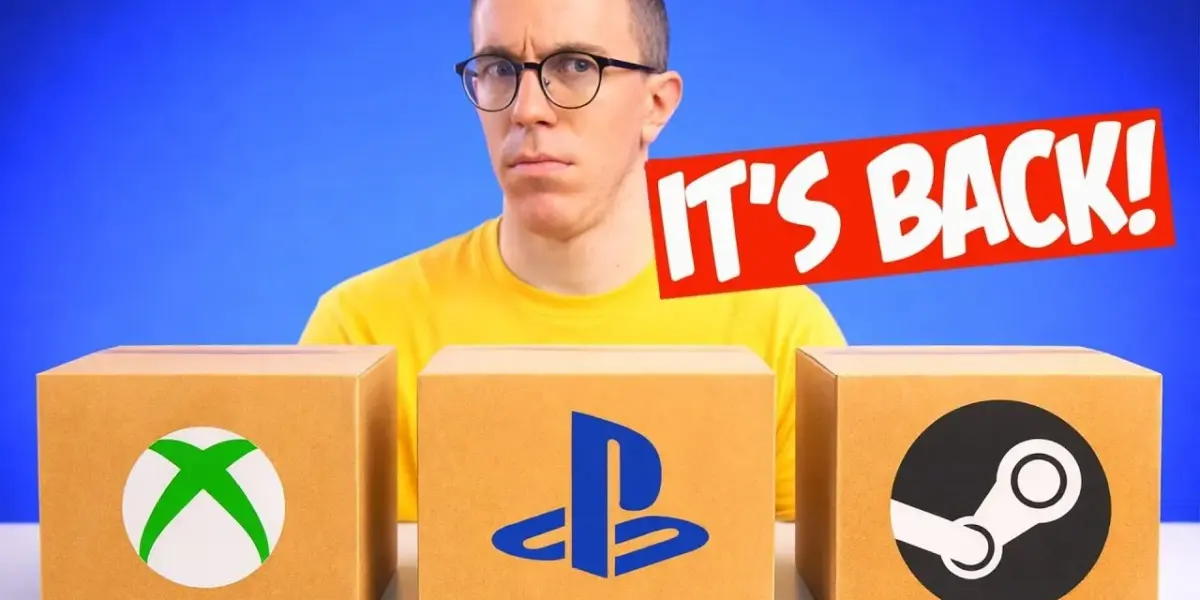
Sony is reportedly scaling back PC ports of its major single-player games, while Microsoft's next Xbox, Project Helix, aims to blend console and PC gaming. This strategic shift signals a potential return to more traditional console exclusivity and intense competition, with Steam playing a significant role.

Console Wars Reignite: Sony Retreats, Xbox Evolves
For years, the gaming world seemed headed towards a future where you could play any game, on any device, with anyone. Imagine playing a PlayStation exclusive on your PC, or an Xbox title on your phone. This dream of ultimate freedom is now facing a major shake-up. Recent reports and strategic shifts from Sony and Microsoft suggest the next console generation will look very different, potentially bringing back the intense competition of console wars, but with new rules.
Sony Pulls Back on PC Ports
A surprising report from Bloomberg indicates Sony is scaling back its efforts to bring major PlayStation single-player games to PC. Titles like the upcoming ‘Ghost of Yotei’ and ‘Saros,’ along with previously released hits like ‘God of War’ and ‘Spider-Man,’ might now remain exclusive to the PlayStation. This marks a significant departure from Sony’s previous strategy, which involved purchasing studios like Nixxes specifically to port their games to PC. Just a few years ago, Sony had plans to release a large portion of its catalog on PC by 2025. This shift suggests their previous PC releases may not have met sales expectations, or that the company is re-evaluating the value of its exclusive titles.
Xbox’s New Direction: A PC in Disguise?
Meanwhile, Microsoft is charting a new course with its next-generation Xbox, codenamed Project Helix. This new console is built with PC compatibility in mind, featuring enhanced performance thanks to a collaboration with AMD, promising significantly better ray tracing. The most intriguing aspect, however, is its potential to run games not just from the Xbox library but also from third-party PC stores like Steam. This move blurs the lines between console and PC, turning the Xbox into a more open platform. This strategy, coupled with a new CEO, Asha Sharma, at the helm of Xbox, suggests a potential return to a more distinct Xbox identity, moving away from the ‘everything is an Xbox’ mantra.
The Steam Factor: A Powerful Wildcard
Amidst these shifts, Valve’s Steam platform looms large. Steam has become the dominant force in PC gaming, taking a significant cut from every sale. While this model works for consoles where manufacturers provide hardware and infrastructure, the 30% cut on Steam feels different. For companies like Sony, releasing games on Steam means not only sharing revenue but also potentially driving players towards competing hardware like the Steam Deck or future Xboxes that support Steam. This loss of control over where games are played is a major concern.
Gaming’s Shifting Landscape
The gaming industry is facing challenges. While PC gaming revenue is up, it’s largely due to squeezing more money from existing players, and the overall share of American gamers has actually decreased since before the pandemic. Games are becoming more expensive to make and buy, and with so many entertainment options available, companies are fighting harder for player attention. This environment pushes developers to make tough decisions about where to focus their resources.
Three Visions for the Future
Looking ahead, we see three distinct paths for the major players:
- Nintendo: Will likely continue its successful strategy of focusing on unique hardware and beloved exclusive franchises, maintaining its strong position without chasing raw power or multi-platform releases.
- Sony: Appears to be doubling down on the traditional console model. By keeping its major single-player games exclusive to PlayStation, it aims to make the hardware itself the compelling reason to buy, a strategy that has served them well for decades.
- Microsoft: Is pursuing a more ambitious and open approach with Project Helix. By creating a powerful device that bridges the gap between console and PC gaming, they aim to capture a new market. However, the success of this strategy may depend on the availability of more affordable options in their lineup or from partners.
The Wild Card: Valve’s Growing Influence
Valve, with its dominant Steam platform, remains a significant factor. Sony’s move away from PC ports might not significantly impact Valve, as Steam’s strength lies in its vast library and user base, not necessarily in PlayStation exclusives. With the next Xbox integrating Steam support, Valve’s position seems to be strengthening. However, the sheer amount of control Valve wields over PC gaming raises questions about whether one company should have such a powerful grip on the market, especially as they expand into handhelds and potentially even mobile gaming.
A New Era of Competition
The era of playing anything, anywhere, is likely over, at least for now. Companies are driven by their shareholders, and the decisions being made by Sony, Microsoft, and Valve will shape the future of gaming for years to come. This next console war might not be about who has the most powerful hardware, but about who can best navigate this complex and evolving gaming landscape.
Source: The Console Wars are BACK (YouTube)

Related Articles


Farming Sim Town Grows: Main Street & Dairy Farm Added!
Our Farming Simulator town gets a major upgrade in episode six with the addition of a vibrant Main Street USA and a vital new dairy farm. We're expanding the community, adding shops, houses, and essential agricultural operations.


Pokémon’s Wildest Secrets Finally Revealed!
Discover the surprising secrets behind the Pokémon phenomenon! From Nintendo's early sales predictions to hidden evolutions and the inspiration behind iconic characters, this article reveals untold stories that shaped the franchise. Learn about Mew's secret origin and the innovations that made Pokémon a global sensation.


LTT Writers Clash on Tech’s Biggest Debates
The Linus Tech Tips writing team debated key tech topics, revealing diverse opinions on open source software, ray tracing, Linux gaming, and the monetization of the internet. The team showed that even tech experts don't always agree.