Congresswoman’s Fierce Defense of Rights Stuns Legal Debate
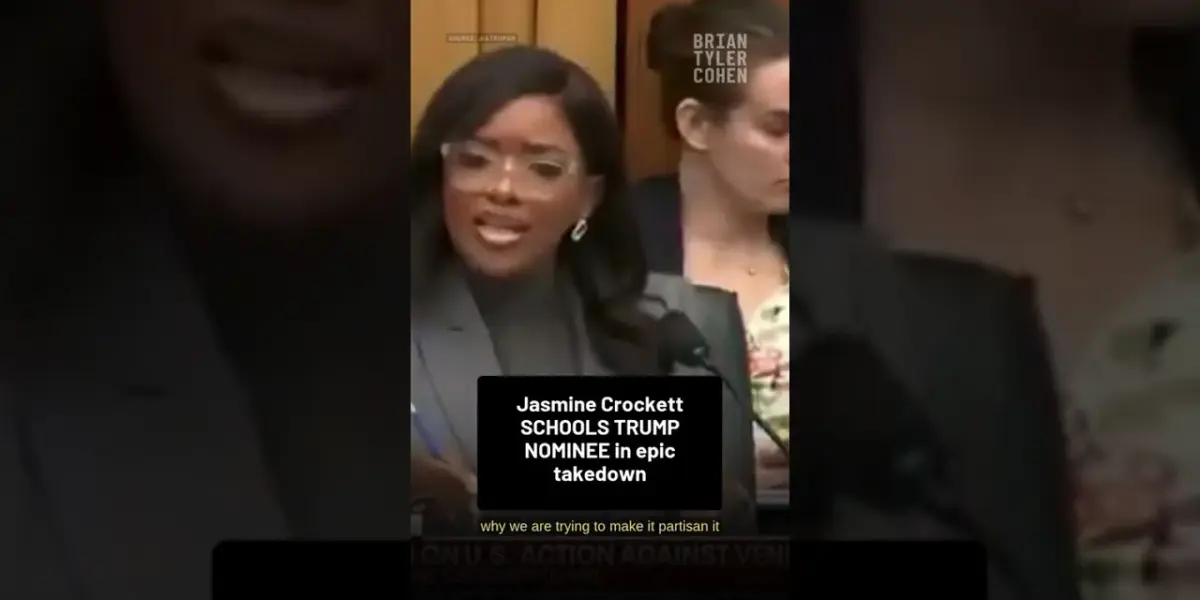
Congresswoman Jasmine Crockett fiercely defended due process rights during a debate, questioning a nominee's stance on extrajudicial actions. She stressed that the U.S. Constitution requires fair legal proceedings for all accused individuals. This exchange highlights the critical importance of upholding legal rights, even in complex international or criminal contexts.

Congresswoman’s Fierce Defense of Rights Stuns Legal Debate
A recent exchange has highlighted a sharp disagreement over basic legal rights, particularly when it comes to how the United States interacts with other nations and individuals accused of crimes. Congresswoman Jasmine Crockett, a former criminal lawyer, strongly pushed back against a nominee’s stance, emphasizing the fundamental importance of due process.
The Core of the Argument
The discussion revolved around a hypothetical scenario: what if another country, like Venezuela, started bombing American fishermen, claiming they were bringing in guns? Crockett pointed out that the U.S. itself is a major supplier of weapons globally. She argued that even if a nation felt justified in taking action against perceived threats, the idea of simply blowing up boats and people is deeply problematic.
“It is offensive to sit here and engage in this conversation as someone who practiced criminal law. And my god, everyone that I had, no matter what they were accused of, even if they were accused of capital murder, they were given an opportunity to actually show up in court and face their accusations, not be killed.”
Due Process: A Cornerstone of Justice
Crockett stressed that in the United States, the Constitution guarantees certain rights. This includes the right for an accused person to appear in court and face their accusers. She found it baffling that this fundamental concept could be debated or made into a partisan issue, especially when discussing actions like bombing boats carrying suspected drug traffickers. Her experience as a criminal lawyer reinforced this view, as even those facing the most serious charges were afforded legal proceedings.
Challenging the Nominee
The Congresswoman directly questioned the nominee, asking if it was constitutional for the United States to blow up individuals accused of drug trafficking. The nominee’s response was not a simple yes or no, leading Crockett to interrupt. She stated clearly that such actions would be unconstitutional within the United States legal framework. She emphasized that this is not a matter of political opinion but a matter of established law.
Why This Matters
This exchange is important because it touches on core American values. The principle of due process – that everyone is entitled to fair legal treatment – is a bedrock of our justice system. When this principle is questioned, even in hypothetical situations involving international or criminal matters, it raises serious concerns about upholding our own legal standards. Crockett’s strong defense suggests a commitment to ensuring these rights are protected, regardless of the circumstances or the accused’s alleged crimes.
Historical Context and Future Outlook
Throughout history, the concept of due process has evolved. From early legal codes to modern constitutional protections, societies have worked to establish systems that prevent arbitrary punishment. The idea that someone can be judged and punished without a trial is something many legal systems have moved away from. Crockett’s argument reflects a long-standing legal tradition that emphasizes fair trials and the presumption of innocence until proven guilty in a court of law. The debate also highlights the ongoing tension between national security concerns or law enforcement actions and individual rights. As global challenges like drug trafficking and terrorism continue, finding the right balance between effective action and constitutional protections remains a critical task for policymakers and legal experts.
Broader Implications
The implications of this debate extend beyond the courtroom. It affects how the U.S. is perceived internationally and how its own citizens are treated. Upholding due process reinforces the idea that America stands for certain principles, even when dealing with difficult issues. Conversely, any suggestion of bypassing these rights could undermine trust in the legal system and set dangerous precedents. The conversation serves as a reminder that legal rights are not abstract concepts but essential protections for everyone.
Source: Jasmine Crockett SCHOOLS TRUMP NOMINEE in epic takedown (YouTube)

Related Articles

Immigration Debate Ignites Over Campus Killing
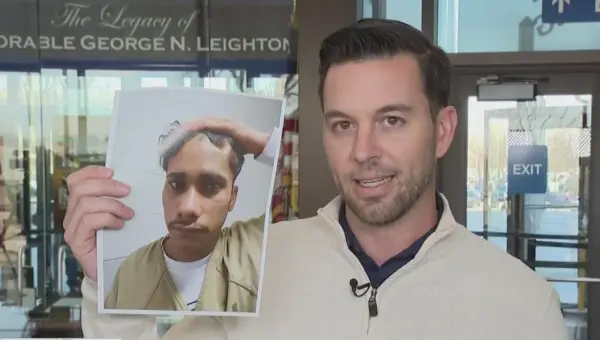
The detention hearing for Jose Medina, accused of murdering Loyola student Sheridan Gorman, has ignited a debate over immigration and mental capacity. Medina, an undocumented immigrant, will remain in custody. His defense cited head trauma and developmental delays, requesting jail time to prevent deportation and ensure due process.


Immigrant Status Fuels Deportation Fight in Chicago Murder Case
A murder suspect from Venezuela, Jose Medina-Medina, accused of killing a Loyola student, is at the center of a legal battle. The U.S. government wants him deported, while Illinois wants him to face murder charges. This case highlights the complex intersection of immigration law and criminal justice.

Minnesota Sues DOJ Over Withheld Evidence in Fatal Shootings
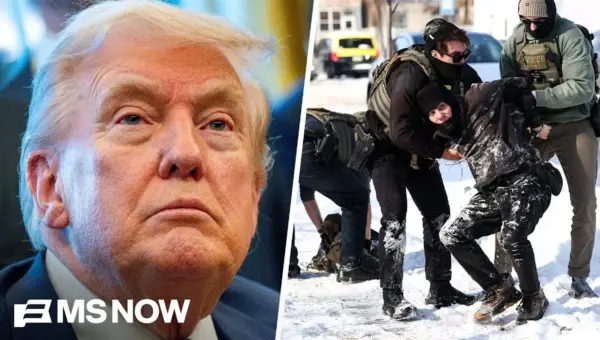
Hennepin County Attorney Mary Moriarty is suing the U.S. Department of Justice to obtain evidence she claims is being withheld in fatal shooting investigations. This unprecedented legal action highlights a breakdown in cooperation between state and federal law enforcement. Moriarty aims to ensure transparency and accountability, even as she faces challenges in gathering all necessary information.