Congressman Demands Vote on Trump’s Iran Strikes
Democrats are demanding a Congressional vote on President Trump's recent military strikes against Iran, citing concerns over executive overreach and a lack of transparency. Congressman Adam Smith criticized the "authoritarian" approach and the failure to brief lawmakers, while also advocating for the repeal of the outdated 2001 AUMF.

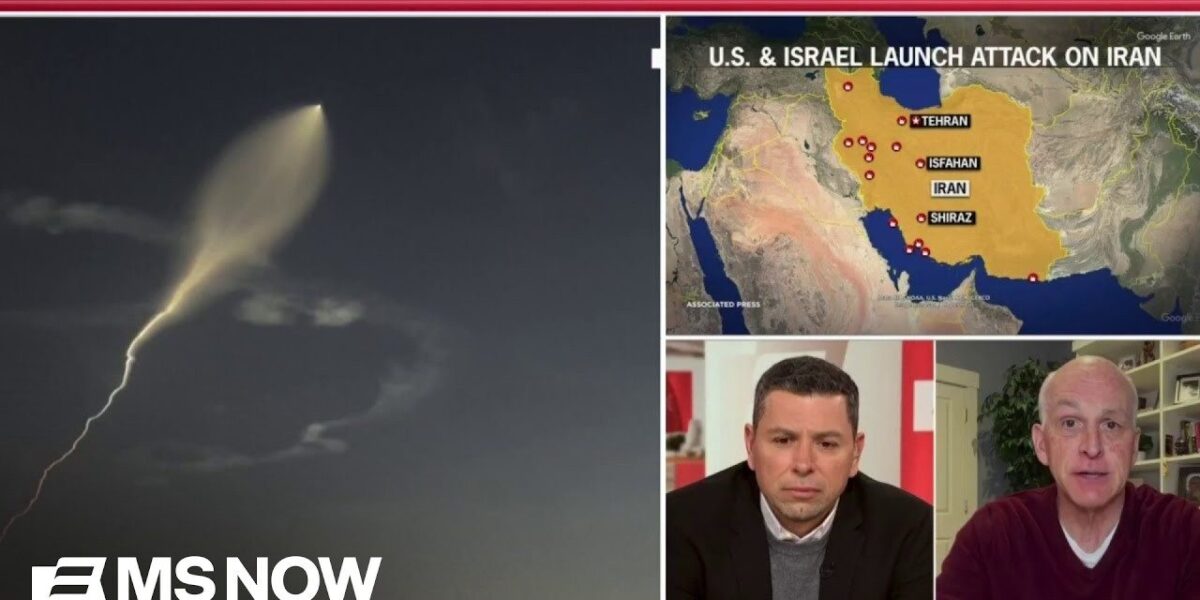
Democrats Push for Congressional Vote on U.S. Military Action in Iran
In the wake of a significant U.S.-Israeli joint attack on Iran, prominent Democrats are raising alarms about President Trump’s unilateral decision to engage in military action without seeking Congressional approval. The situation escalated dramatically with reports of the death of Iran’s Supreme Leader, Ayatollah Ali Khamenei, a development President Trump announced via social media, calling it a “single greatest chance for the Iranian people to take back their country.” However, the move bypasses established legislative processes, prompting calls for accountability and a formal debate.
Concerns Over Executive Overreach and Lack of Transparency
Ranking Member of the House Armed Services Committee, Congressman Adam Smith, has voiced strong opposition to the preemptive strikes, citing concerns about rapid escalation and the potential for the U.S. to be drawn into a war without a clear strategic objective. “Let me be clear that I oppose these preemptive strikes and I’m concerned the situation is prone to It’s a rapid escalation that puts Americans at risk and threatens to drag us into a war of choice with no strategic endgame,” Smith stated. He emphasized that the operation was launched without justification to the American people or Congress, and without a Congressional vote, characterizing the President’s approach as “authoritarian” and “autocratic.”
“This is the largest military operation our country has ever launched without really any justification for it from the president to the American people or to Congress or without any congressional vote. So I think we ought to have a vote. So we’re going to try and force that vote.”
Congressman Adam Smith
Smith’s concerns are echoed by other Democratic leaders. House Minority Leader Hakeem Jeffries, when asked about the constitutionality of the President’s actions, indicated that the legal implications would be addressed but stressed the immediate need for legislative action. Democrats are attempting to force a vote to limit the President’s ability to conduct military operations without Congressional authorization. However, they face significant hurdles. Even if such a resolution passes, it could be subject to a Presidential veto, requiring a two-thirds majority in both chambers to override, a difficult threshold to achieve.
The Shadow of the 2001 AUMF
A key point of discussion is the continued reliance on the 2001 Authorization for Use of Military Force (AUMF), enacted in the aftermath of the September 11th attacks. This broad legislation has been used by successive administrations to justify military actions globally under the guise of counter-terrorism. Congressman Smith argues for its repeal, stating, “Yes, we should have repealed the 2001 AUMF a long time ago. I’ve long supported that. That was 25 years ago in an entirely different context. We should absolutely repeal it.” He believes the AUMF is no longer applicable to current geopolitical realities and hinders proper oversight.
Lack of Briefings and Oversight Concerns
Adding to the controversy is the reported lack of formal briefings to Congressional leadership, including the House Armed Services Committee. “The fact that they have completely ignored Congress, ignored the American people for the most part, is incredibly problematic and specifically no. At this point, the Department of Defense that is engaged in a war has not briefed or even spoken to any member of Congress,” Smith noted. He stressed that Congress has a constitutional duty to exercise oversight, which is being undermined by the administration’s actions and lack of communication.
Risks to American Troops and Regional Stability
The military action also raises significant concerns for the safety of American troops stationed in the Middle East. With an estimated 40,000 to 50,000 U.S. personnel in the region, Congressman Smith warned of substantial risks. “We’ve got between 40 and 50,000 troops in the region and I don’t know Iran everyone talks tough during a war who knows what Iran has left in terms of their ability to fire missiles and drones and attack our troops in the region but we don’t know,” he stated. He highlighted the potential for Iran, viewing the conflict as an existential threat, to retaliate with full force, potentially overwhelming air defense systems and inflicting casualties.
Looking Ahead: The Fight for Congressional Authority
The unfolding events underscore a critical debate over the balance of power between the executive and legislative branches in matters of war. As Democrats push to force a vote and assert Congressional authority, the coming days will reveal whether the legislative body can effectively challenge the President’s unilateral military decisions. The ongoing situation in Iran and the lack of transparency from the administration will likely remain central issues as Congress grapples with its oversight responsibilities and the implications for national security and democratic governance.
Source: Ranking Dem: “We shouldn't let the president simply plow forward” without Congressional approval (YouTube)

Related Articles
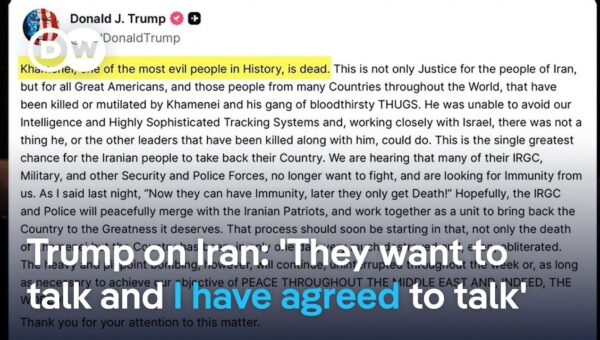
Trump Agrees to Talks with Iran After Major Strikes
President Donald Trump has agreed to talks with Iran's leadership following coordinated strikes that reportedly killed key figures, including the Supreme Leader. While Trump claims significant military successes, U.S. strategy remains unclear, and public opinion shows limited support for the actions amid rising American casualties.


Iran Rejects Trump Ceasefire Offer Amid Escalating Regional Conflict
Iran has rejected a ceasefire offer from the Trump administration, escalating regional tensions and leading to U.S. casualties. The conflict, dubbed 'Operation Epic Fury,' has seen Iranian retaliatory strikes across the Middle East and disruption in the Strait of Hormuz.

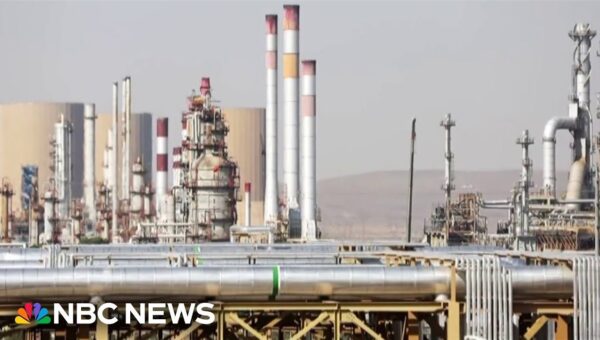
Oil Prices Surge Amid Iran Tensions: Gas Costs to Rise?
Escalating tensions involving Iran are poised to significantly impact global oil prices, with analysts predicting a potential $15-$20 per barrel spike. This could lead to a substantial increase in gasoline prices for consumers, exacerbated by disruptions to the crucial Strait of Hormuz shipping route. The broader economic implications include pressure on global supply chains and potential impacts on economic growth.