Congress Stalls While Leaders Rally for Midterm Wins
Congress remains adjourned while lawmakers engage in campaign activities, sparking debate over legislative priorities and political tactics. Speaker Mike Johnson's focus on midterm wins and accusations of hypocrisy on gerrymandering highlight the partisan divisions shaping Washington.

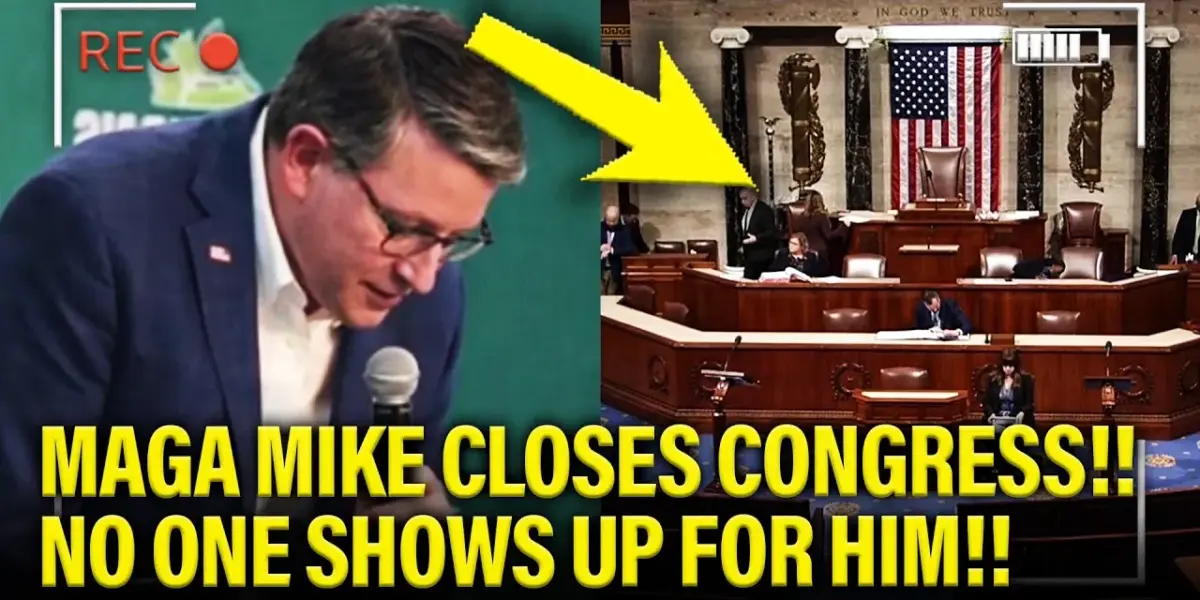
Congress Adjourns Amidst Foreign Conflicts and Domestic Political Maneuvers
The U.S. House of Representatives has been adjourned for over two weeks, a significant break from its legislative duties. This pause comes at a time when the United States is involved in a foreign conflict and dealing with stalled international negotiations. During this recess, attention has turned to the activities of House Speaker Mike Johnson, often referred to by the transcript’s narrator as “MAGA Mike,” and other Republican members.
Gerrymandering Allegations and Campaign Trail Stunts
Emerging video footage shows Speaker Johnson campaigning in Virginia. He appeared with former Virginia Governor Glenn Youngkin to rally against new congressional district maps, which are subject to a public referendum. Johnson criticized Democrats for alleged gerrymandering, stating it goes against the principles of the Constitution. The narrator suggests Johnson is using Congress’s break for political stunts, pointing to a small crowd at the event as evidence of low public engagement.
“Please, please, we need a win in the midterms because the Democrats, they’re going to impeach Donald Trump and they’re going to investigate Donald Trump and they’re going to uh do all of these woke things…”
Johnson also reportedly urged voters to oppose what he termed a “woke crazy agenda” from Democrats, warning of potential impeachments, market disruptions, and investigations if Democrats gain a majority. He specifically mentioned concerns about Democrats impeaching a president, reopening borders, and issues related to gender in sports and transgender surgeries.
Accusations of Hypocrisy on Gerrymandering
The transcript highlights a perceived hypocrisy in Johnson’s stance on gerrymandering. It points out that Republicans, including Johnson, voted against a Democratic bill aimed at banning political gerrymandering. The narrative suggests that Republican efforts in Texas to redraw districts to gain seats, and subsequent Democratic responses in states like California and Virginia, are part of a broader political strategy.
Johnson emphasized the slim Republican majority in the House, describing it as one of the smallest in U.S. history. He called for the re-election of all Republican representatives, framing the situation in Virginia as crucial for the entire House Republican majority. He urged voters to reject what he called “totally scandalous, unlawful, unconstitutional Democrat gerrymandering schemes.”
Characterizing Political Opponents
Speaker Johnson reportedly labeled Democrats as “Marxists” and described their agenda as the opposite of what made America great. He contrasted this with the Republican platform, which he characterized as a return to “common sense” and a “contrast for America.” The narrator, however, pushed back, calling Republican actions and rhetoric “crazy” and “nutcases.”
The discussion also touched upon former President Donald Trump’s social media activity and statements, including AI-generated images and claims about saving a home. The narrator criticized Trump’s proposals, such as renaming the Strait of Hormuz, and his attacks on the Pope, which were then echoed by his supporters.
Congressional Oversight and Foreign Policy Questions
The transcript raises concerns about Congress’s focus during its adjournment. While lawmakers are on break, the U.S. is engaged in a foreign conflict. Questions arise about the extent of congressional oversight on this matter. For instance, Republican Congressman Mike Turner, a member of the House Oversight and Armed Services Committee, was pressed on information regarding naval actions in the Strait of Hormuz.
“I I because he said no. I think you’ll have to ask the president.”
Turner deferred questions about naval mines in the Strait of Hormuz to the President, stating he did not have the information. This response led to criticism that Congress was not adequately fulfilling its oversight role, especially when the public also lacked clear information.
Epstein File Investigation and Testimony
Another area of focus is the investigation into Jeffrey Epstein’s associates. Republican Congressman Byron Donalds, also on the House Oversight Committee, was questioned about former Attorney General Pam Bondi’s scheduled deposition related to the Epstein files. Donalds suggested Bondi, as a former attorney general, might be excused from testifying, a stance contrasted with the committee’s previous actions holding the Clintons in contempt for failing to comply with subpoenas.
The narrator expressed fascination with this differing standard, questioning why Bondi should not face similar scrutiny. Donalds defended the committee’s work but indicated that Bondi’s appearance would be a decision for the committee as a whole, suggesting a potential reluctance to pursue the matter aggressively.
Economic and Social Policy Criticisms
The transcript includes a segment from Democratic Senator Raphael Warnock, who criticized the economic policies and priorities of the current administration. Warnock argued that while Americans struggle with rising costs for utilities, healthcare, and housing, the administration prioritizes increased Pentagon spending. He accused the administration of offering tax cuts for the wealthy while cutting essential social programs.
Warnock highlighted statements attributed to the President suggesting an inability to fund social programs like daycare, Medicaid, or Medicare, while simultaneously demanding higher military spending. He framed this as a choice between supporting war and supporting the needs of ordinary Americans, particularly those facing economic hardship.
Why This Matters
The extended adjournment of the House, coupled with the focus on partisan political messaging and campaign events, raises questions about Congress’s ability to address pressing national and international issues. The allegations of hypocrisy regarding gerrymandering and the handling of investigations like the Epstein files suggest a political environment where party loyalty and electoral strategy may overshadow legislative responsibilities and oversight duties. The contrast drawn between Republican and Democratic approaches to policy, particularly concerning social programs versus military spending, highlights key ideological divides that will likely shape future political debates and elections.
Implications and Future Outlook
The current political climate, as depicted in the transcript, suggests a Congress deeply divided and heavily influenced by the upcoming midterm elections. The emphasis on “woke” issues and the characterization of political opponents as “Marxists” or “crazy” indicate a strategy to energize a base through cultural and ideological conflict. This approach may distract from substantive policy debates and the legislative body’s core functions, such as providing oversight and addressing complex foreign policy challenges.
The reliance on campaign rallies and political stunts during a congressional recess points to a potential disconnect between lawmakers’ actions and the needs of their constituents. The criticism leveled against Republican members for their perceived lack of engagement on oversight matters and foreign policy issues suggests a continuing struggle for accountability. Looking ahead, the effectiveness of Congress in tackling critical issues will depend on its ability to move beyond partisan rhetoric and re-engage in constructive legislative action.
Historical Context
The debate over gerrymandering has a long history in American politics, with both parties utilizing redistricting to their advantage. However, the current era has seen heightened partisan tensions and legal challenges surrounding these practices. Similarly, the role of Congress in authorizing military action and conducting oversight of executive branch activities, particularly during times of conflict, is a fundamental aspect of the U.S. system of checks and balances. Moments of congressional adjournment for political campaigning are not new, but the intensity of the current political polarization may amplify their perceived impact on governance.
Source: 🚨MAGA Mike SHUTS DOWN House over MIDTERM DISASTER!! (YouTube)

Related Articles


Rep. Swalwell Faces Calls to Resign Amid Sexual Assault Allegations
Congressman Eric Swalwell has dropped out of the California governor's race amid serious sexual assault allegations. He now faces mounting calls to resign from his House seat as lawmakers debate potential expulsion. The congressman denies all charges.

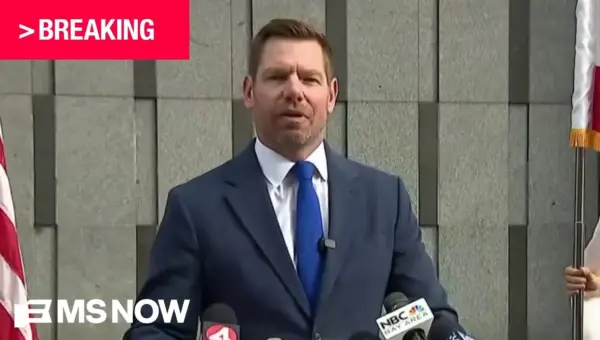
Swalwell Quits Governor Race Amid Sexual Misconduct Claims
U.S. Representative Eric Swalwell has suspended his campaign for California governor amid allegations of sexual assault. He announced the decision on X, stating he would fight the "serious, false allegations." The move comes as a broader societal shift emphasizes believing victims and holding public figures accountable.
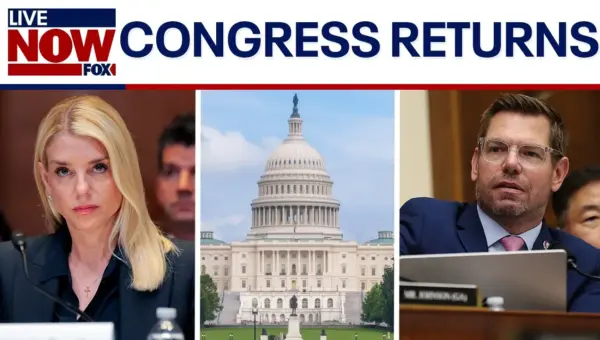
Congress Returns: Iran War Powers, DHS Funding, Bondi Probe, Swallwell Scandal
Congress returns to a packed schedule with debates on war powers for the Iran conflict, stalled DHS funding, and former AG Pam Bondi's refusal to testify. Meanwhile, Representative Eric Swalwell faces potential expulsion amid serious allegations, and a crucial FISA reauthorization vote is on the horizon.