Congress Splits Over Funding, Security Amidst DHS Shutdown
Lawmakers debated the "Save America Act" requiring proof of citizenship for voting amidst a DHS shutdown and TSA worker pay freeze. Democrats opposed the act, citing voter suppression concerns, while Republicans championed it for election security. Meanwhile, U.S. military presence grows in the Middle East amid Iran tensions.

Congress Divided: DHS Shutdown and Security Debates Take Center Stage
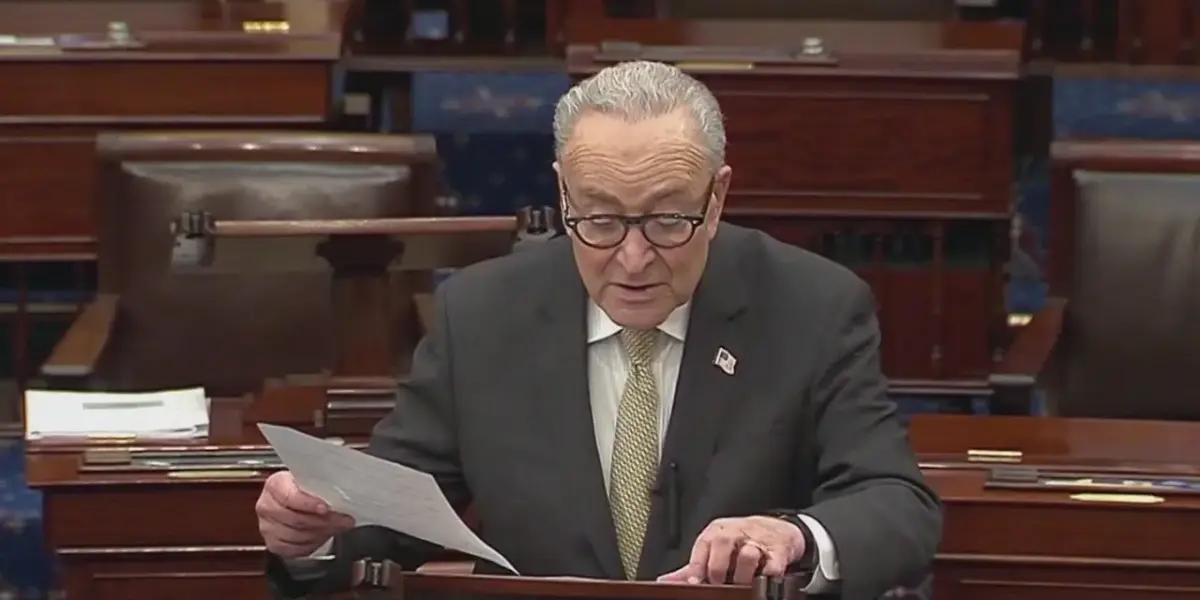
Lawmakers in Washington D.C. held a rare weekend session to debate critical issues, highlighting deep divisions over government funding and national security. The shutdown of the Department of Homeland Security (DHS) continues to cause problems, leaving thousands of Transportation Security Administration (TSA) workers without paychecks. This situation has led to frustration among travelers and prompted some TSA workers to quit, impacting airport operations.
Save America Act Sparks Fierce Debate
A central focus of the weekend session was the proposed “Save America Act,” a bill primarily backed by Republicans. This legislation aims to strengthen election security by requiring voters to show proof of citizenship, such as a passport or birth certificate, when registering to vote. Additionally, it would mandate voters to present identification when casting their ballots.
Republican Rationale: Securing Elections
Supporters of the Save America Act argue that these measures are essential for ensuring election integrity and preventing fraud. They believe that verifying citizenship and requiring IDs at the polls will make elections more secure and trustworthy. Republicans emphasize that it is already federal law for only citizens to vote, and this bill aims to better enforce that rule.
Democratic Counterarguments: Voter Suppression Concerns
Democrats, however, strongly oppose the Save America Act. They contend that it is unnecessary because it is already illegal for non-citizens to vote. Their main concern is that the bill will make it harder for eligible citizens to cast their ballots, effectively suppressing legitimate votes. Democrats view the Republican push for voter ID as a tactic to discourage certain groups from voting.
TSA Funding Amendment Rejected
Amidst the ongoing DHS shutdown, Democratic lawmakers attempted to pass an amendment that would have provided funding for the TSA. This effort aimed to ensure TSA workers received their paychecks while the broader funding dispute continued. However, this amendment was voted down, leaving the TSA workforce in financial uncertainty.
Broader Political Context and Presidential Pressure
The debate over the Save America Act is influenced by President Trump, who has called it his top priority. He has actively pressured the Senate to pass the bill, posting on social media about its importance. Despite this pressure, the legislation currently lacks sufficient votes to pass the Senate. This highlights the challenges in achieving bipartisan consensus on key policy issues.
Global Tensions: Iran Conflict and Military Buildup
Beyond domestic policy, the U.S. is also navigating escalating tensions with Iran. President Trump has suggested the U.S. is nearing objectives in its military efforts in the Middle East and is considering winding down operations. He has indicated the conflict could be over soon, offering mixed messages about the timeline for resolution.
Military Deployments and Strait of Hormuz Concerns
In parallel with these statements, the U.S. military presence in the Middle East is increasing. The Pentagon has deployed additional Marines, adding to the approximately 50,000 U.S. troops already in the region. The USS Boxer is also en route. A major concern remains the potential disruption in the Strait of Hormuz, a vital shipping lane for oil. Surging oil prices globally and in the U.S. are linked to this instability. President Trump has stated that other nations will need to take responsibility for policing the Strait once U.S. operations in Iran conclude.
Global Impact: Shifting Alliances and Economic Stability
The ongoing DHS shutdown and the political battles surrounding it reflect deep partisan divides in the U.S. These internal struggles can impact the nation’s ability to project strength and stability on the global stage. Simultaneously, the escalating situation with Iran and its effect on global oil prices demonstrate how regional conflicts can have far-reaching economic consequences. The U.S. military’s posture in the Middle East, coupled with diplomatic efforts, will shape future regional security dynamics and international energy markets.
Future Scenarios
Looking ahead, several scenarios are possible. The Save America Act could eventually pass with significant negotiation, or it may fail to gain enough support. The conflict with Iran could de-escalate through diplomatic channels, or it might intensify, leading to further military engagement and economic disruption. The TSA shutdown could be resolved through a separate funding bill, or it might continue, further straining essential government services.
Source: Republicans reject Democrats’ effort to pay TSA by suspending Senate rules | NewsNation Live (YouTube)

Related Articles
TSA Workers Get Paid After Record Absences
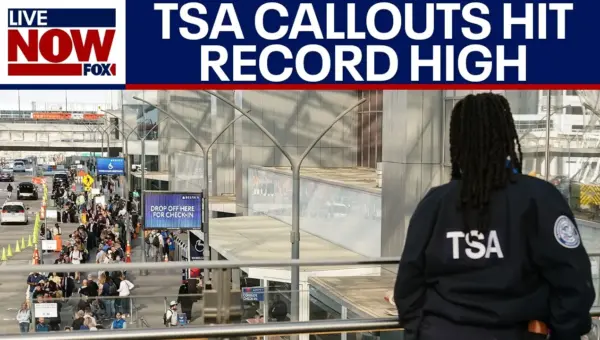
TSA agents will finally receive paychecks after working nearly six weeks without salary, following a directive from President Trump. Record high absences had strained airport operations and caused significant passenger delays. The situation has sparked calls for better protections for essential workers during government shutdowns.
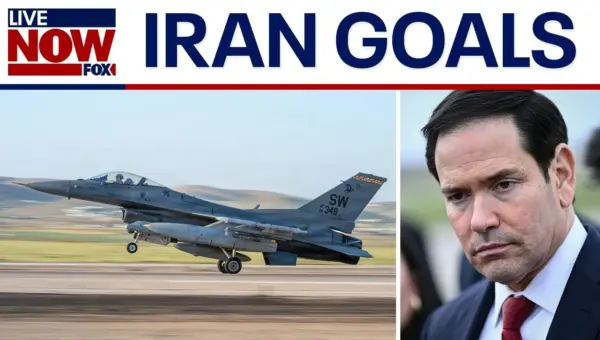
Rubio: US Can Achieve Iran War Goals Without Troops
Senator Marco Rubio outlined a strategy to counter Iran without deploying U.S. ground troops, focusing on weakening the regime and enhancing maritime security. He also criticized Cuba's economic system and expressed concerns about West Bank violence.
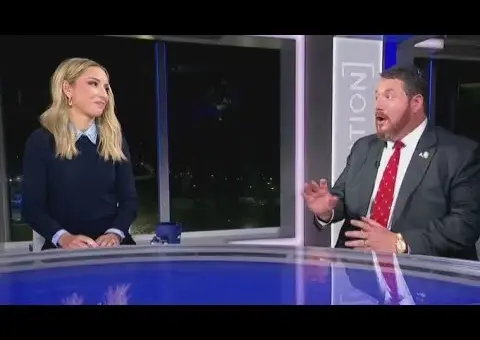
House Republicans Reject Senate Deal, Sparking Government Funding Clash
House Republicans have rejected a Senate bill to end the government shutdown, citing insufficient border security measures. Congressman Randy Fine called the Senate deal a "disgrace" and highlighted the ongoing fight for full government funding. President Trump's executive order to pay TSA agents offers temporary relief, but the core disagreement over border security continues to paralyze Washington.