Congress Skips Border Security Funding, Risks National Safety
A former DHS official warns that Congress's failure to fully fund the Department of Homeland Security puts Americans at risk. Disputes over funding for agencies like CBP and ICE have led to chaos at airports and raise concerns about national security. Lawmakers are urged to pass a clean funding bill to ensure all critical security operations remain functional.

Congress Skips Border Security Funding, Risks National Safety
Lawmakers in Washington are locked in a dispute over how to fund the Department of Homeland Security (DHS). This fight puts essential security operations at risk, according to a former DHS official. The debate centers on whether to fully fund DHS, which includes agencies like the Secret Service, FEMA, and the Transportation Security Administration (TSA). Some in Congress want to attach reforms to the funding bill, but this approach could leave the nation less safe.
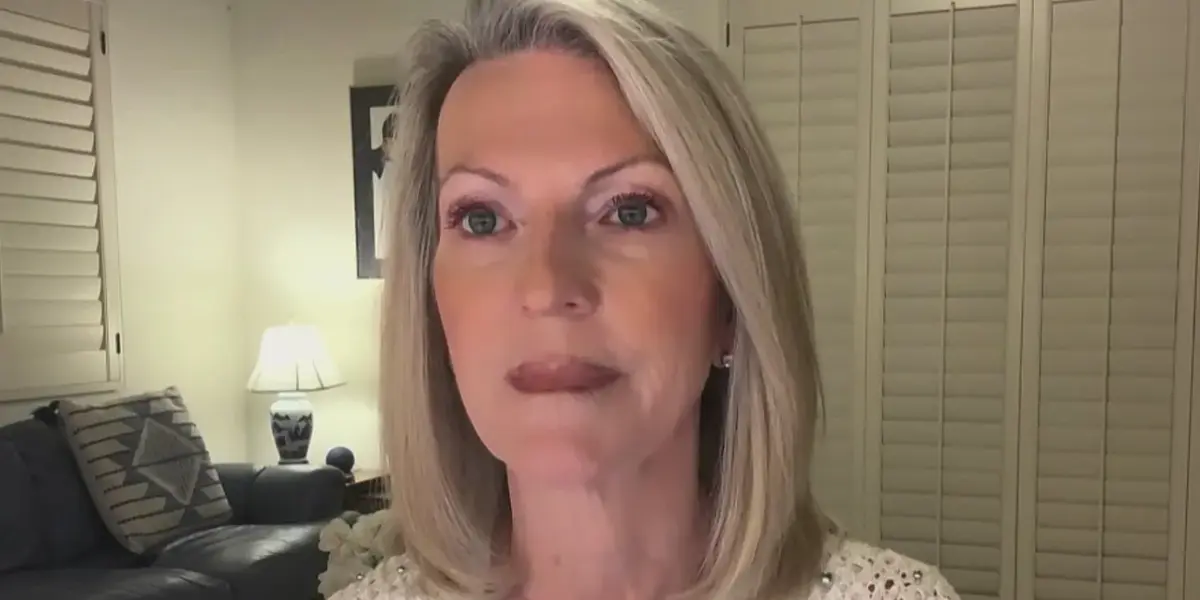
The core issue is that the Senate passed a bill to fund DHS, but it did not include money for Immigration and Customs Enforcement (ICE) or Customs and Border Protection (CBP). A former senior DHS official, Bridget Bening, expressed serious concerns about this. She explained that DHS is designed to protect the entire homeland. Breaking it up and not funding all its parts is a dangerous precedent.
Why Full Funding Matters
Bening stressed that DHS is a unified system. Agencies like CBP are crucial for border security, while FEMA prepares for natural disasters. The TSA ensures safe air travel. Not fully funding these critical parts leaves the nation vulnerable. She pointed out upcoming events like hurricane season and the World Cup, which require a fully operational DHS.
The House of Representatives rejected the Senate’s bill because it excluded funding for CBP and ICE. Bening stated that appropriation bills, which fund government operations, should be passed as a whole. She mentioned that 78 million people voted for President Trump, indicating a desire for stronger border security. The current situation, she argued, does not meet that expectation.
Political Maneuvering and Public Impact
The political wrangling has created uncertainty and delays. Senate Democrats, led by Chuck Schumer, called the House’s counter-offer “dead on arrival.” This suggests a deep disagreement between the two chambers of Congress. The House proposed a short-term bill to extend DHS funding for 60 days. This would give lawmakers more time to negotiate a longer-term solution.
The impact of these delays is already being felt by the public. Bening described chaotic scenes at LaGuardia Airport, with long lines and unpredictable wait times. This travel disruption highlights the real-world consequences of underfunding agencies like the TSA. While Secretary Alejandro Mayorkas has taken over DHS leadership, and President Biden signed an executive order to pay TSA employees, Bening emphasized that all of DHS needs to be funded.
Looking Ahead
The Senate is expected to vote on the House’s short-term bill. However, the previous Senate proposal to exclude border agencies has raised doubts. Bening called the move to pass a bill in the middle of the night that left out key agencies a “magic trick.” She believes national security is too important for such political games.
The hope is that the 60-day extension will provide a window for compromise. A clean appropriation bill, simply extending funding without adding new demands, could be a path forward. This would allow all parts of DHS to continue their vital work. The American people, Bening concluded, expect and deserve a fully funded and functioning homeland security apparatus.
Global Impact
The ongoing dispute over DHS funding has broader implications. It signals a potential weakness in U.S. national security. This could be noticed by foreign adversaries. A divided Congress struggling to agree on basic security measures might embolden those who seek to challenge American interests. Furthermore, disruptions at key ports of entry and travel hubs can affect international trade and tourism, creating economic ripple effects.
Historical Context
Disagreements over government funding, often called “shutdowns” or “fiscal cliffs,” are not new in U.S. politics. However, the specific targeting of border security and immigration agencies within these funding debates has become more pronounced in recent years. This reflects a deepening political divide over immigration policy, which has become a central issue in national elections.
Economic Leverage
While the transcript doesn’t detail specific economic leverage like sanctions or trade figures, the funding itself represents economic leverage. Agencies like CBP and ICE manage the flow of goods and people, impacting trade. FEMA’s funding is crucial for disaster relief, mitigating economic losses from natural events. TSA’s operations are essential for the travel industry, a significant economic sector. By withholding or threatening to withhold funds, Congress can exert pressure on the executive branch and influence policy decisions.
Regional Alliances and Power Balances
The stability and effectiveness of DHS directly impact U.S. relationships with neighboring countries like Canada and Mexico. Secure borders and efficient processing of travelers and goods are vital for bilateral relations. Any perceived weakness or chaos at the border could strain these relationships and alter regional power dynamics, especially concerning issues like cross-border crime and migration flows.
Future Scenarios
One scenario is that Congress eventually passes a short-term funding bill, providing temporary relief but leaving the underlying political divisions unresolved. Another is a complete failure to agree, leading to a partial shutdown of DHS operations, which would severely impact services and national security. The most optimistic scenario involves a bipartisan agreement on a longer-term funding package that addresses the concerns of both parties, ensuring consistent and robust security operations.
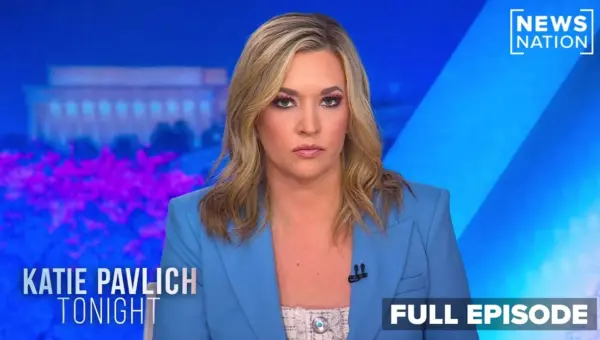
Source: Americans at risk without DHS fully funded: Former DHS official | NewsNation Live (YouTube)

Related Articles
House GOP Rejects Senate DHS Bill, Pushes Own Plan
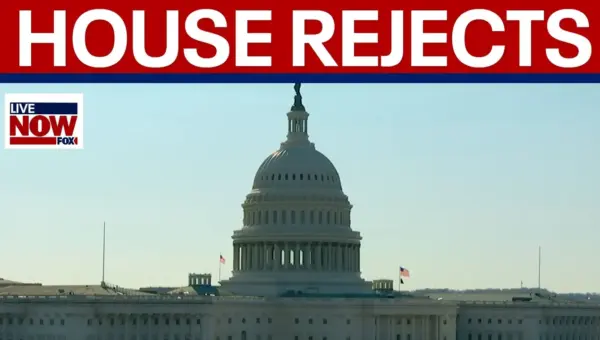
The House of Representatives passed a short-term funding bill for the Department of Homeland Security, but it faces strong opposition in the Senate. Speaker Mike Johnson defended the House's move, while Senate leaders indicated they would not consider the bill. President Trump also voiced disapproval of the House measure.

FBI Director’s Hacked Emails Expose Personal Life, Security Failures
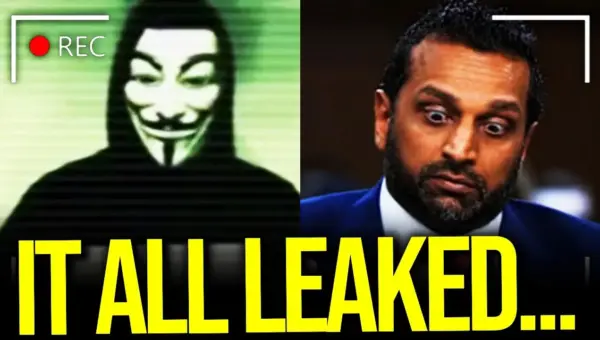
FBI Director Cash Patel's personal email account was reportedly hacked by Iranian-linked hackers, exposing sensitive personal information and raising serious questions about his security practices and competence. The breach includes details about his private life, finances, and alleged visits to adult websites.

US Immigration Debate Intensifies Amidst Crime Concerns
Recent crime incidents, including the murder of Sheridan Gorman, have intensified the U.S. immigration debate, spotlighting concerns over sanctuary city policies and the impact of the government shutdown on federal employees like TSA staff. The International Olympic Committee's decision on transgender athletes and Republican concerns about flipping electoral seats also feature in this analysis of current geopolitical and domestic affairs.