Congress Probes $3.5B California Hospice Fraud Scheme
The House Oversight Committee has launched an investigation into a massive hospice fraud scheme in California, allegedly costing taxpayers $3.5 billion. Chairman James Comer is examining the role of Governor Gavin Newsom's administration and aiming to prosecute those responsible for stealing federal funds.

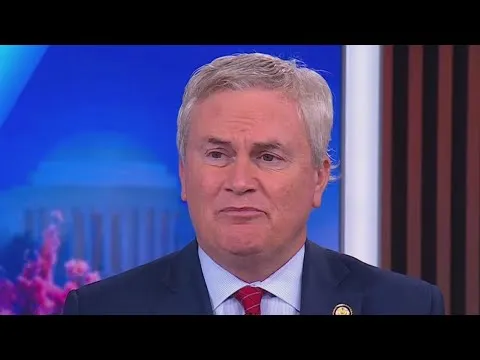
Congress Launches Probe into Massive California Hospice Fraud
The House Oversight Committee has opened a major investigation into widespread fraud within the hospice care system in California. This probe, led by Chairman James Comer, focuses on a scheme that allegedly cost taxpayers at least $3.5 billion. The investigation was sparked by a whistleblower report highlighting extreme irregularities, particularly in Los Angeles County.
Billions Lost in Los Angeles County
Chairman Comer revealed that an audit uncovered $3.5 billion lost to fraud, with most of it concentrated in a single California county. This amount represents a staggering 18% of the total U.S. hospice budget billed nationwide in that one county alone. Investigators found thousands of individuals or entities registered to bill for hospice services, often claiming an impossible number of patient visits.
Federal Funds at Stake
The reason a federal committee is investigating a state-level issue is because hospice care programs are funded by federal money, primarily through Medicare. When federal funds are misused through criminal activity, it falls under the committee’s oversight. “The program uses federal government money, criminals, federal funds,” Comer explained.
Governor Newsom’s Response
The investigation also examines whether California Governor Gavin Newsom and his staff were aware of the fraud. A whistleblower claims they knew but took no action. Governor Newsom’s office has stated that he is one of the toughest governors on hospice fraud and that previous federal actions have paused necessary programs. However, Chairman Comer countered that Newsom only began addressing hospice fraud after the audit revealed its scale.
California’s Unique Problem
Comer suggested that California’s fraud problem is exceptionally severe. “There’s no other state that’s had the rampant hospice fraud that California has had,” he stated. The committee believes the fraud is not limited to Los Angeles County but is likely widespread throughout California. They hope to uncover more whistleblowers and bring those responsible to justice.
Collaboration with Justice Department
The House Oversight Committee plans to work with federal prosecutors and the new fraud division announced by the Trump administration. “We investigate and we turn over the results of our investigation to the Department of Justice,” Comer said. He noted that a similar investigation in Minnesota led to the prosecution of two dozen people, with more cases expected.
Consequences for Taxpayers
The core issue, as highlighted by Comer, is theft from American taxpayers. The committee aims to ensure that those who commit fraud face consequences and that stolen funds are recovered. The goal is to send a clear message that the Trump administration and the House Oversight Committee are serious about combating fraud.
Global Impact
Why This Reshapes the World Order
While this specific investigation focuses on domestic fraud, it highlights a broader trend of increasing scrutiny over government spending and potential misuse of funds. Such large-scale fraud erodes public trust in government programs and can impact the availability and quality of essential services like healthcare. The commitment to prosecuting offenders and recovering funds sets a precedent for accountability in federal programs. This focus on financial integrity can influence how international bodies and other nations approach oversight of shared or federally funded initiatives, promoting stricter controls and transparency to prevent similar losses elsewhere.
Historical Context
Fraud within government programs is not new. Throughout history, various administrations have faced challenges with program integrity. The hospice care system itself, while intended to provide comfort and support during end-of-life care, has been a target for fraudulent schemes due to its funding structure and the vulnerability of its patient population. Previous crackdowns on healthcare fraud, such as those seen in Medicare and Medicaid programs, provide a backdrop for this current investigation, showing a recurring pattern of abuse within government-funded healthcare services.
Economic Leverage and Sanctions
The primary economic tool in this context is the potential for criminal prosecution and asset forfeiture. While specific sanctions against individuals or entities are not detailed, the investigation’s aim is to identify perpetrators and recover the $3.5 billion. The sheer amount of money involved underscores the significant economic impact of such fraud, diverting funds that could be used for legitimate healthcare services or other public needs. The investigation’s success could lead to stricter regulations and oversight mechanisms, acting as a form of preventative economic leverage against future fraud.
Regional Alliances and Power Balances
This investigation, while internal to the U.S., touches upon the balance of power between federal oversight and state governance. The committee’s involvement signifies a federal interest in ensuring the proper use of federal funds, even within state-administered programs. The focus on California, a large and influential state, also highlights potential disparities in regulatory enforcement across different regions. The outcome could influence how federal and state governments collaborate on oversight in the future, potentially strengthening federal oversight where state efforts are perceived as insufficient.
Future Scenarios
- Scenario 1: Successful Prosecution and Recovery. The committee and the Department of Justice successfully prosecute individuals and entities involved in the fraud, recovering a significant portion of the $3.5 billion. This would restore public trust and deter future fraud.
- Scenario 2: Limited Accountability. The investigation uncovers wrongdoing, but legal complexities or lack of evidence for specific charges lead to only minor penalties or limited recovery of funds. This could lead to public frustration and calls for reform.
- Scenario 3: Broader State Crackdown. The federal investigation prompts a more aggressive and comprehensive crackdown on fraud across California, leading to systemic reforms in how hospice care is regulated and monitored within the state.
Source: $3.5B lost in Los Angeles hospice fraud: James Comer | Katie Pavlich Tonight (YouTube)

Related Articles


US Frees Hostage,Iran Offers Counter-Deal
Dennis Coyle returned home after 421 days of Taliban captivity, facilitated by the Trump administration. Meanwhile, Iran rejected a US peace plan, offering a counter-proposal amid rising regional tensions and military deployments. Separately, a congressional probe into California hospice fraud and a Kentucky farmer's refusal of a $26 million offer for her land highlight domestic issues.


$100 Billion Fraud Threatens Medicare, Medicaid Safety Net
Massive fraud, waste, and abuse totaling an estimated $100 billion are threatening the integrity of U.S. Medicare and Medicaid programs. Investigations reveal schemes in adult daycare centers and hospice care, particularly in New York and Los Angeles, exploiting vulnerable populations. Addressing this fraud is crucial for the long-term financial health of these vital safety nets.


Billions Lost to Social Program Fraud
Billions of dollars are being lost to fraud and abuse within U.S. social programs like SNAP, Medicare, and Medicaid. Investigations reveal loopholes allowing wealthy individuals to claim benefits and widespread exploitation of childcare and healthcare subsidies, raising concerns about program integrity and financial oversight.