Congress Must Curb Trump’s War Powers Now
Concerns are mounting over President Trump's actions regarding Iran, prompting calls for Congress to reclaim its constitutional war powers. Senator Schumer is forcing a vote to highlight this issue, putting Republicans in a tough spot during an election year. This debate is crucial for maintaining the balance of power in U.S. foreign policy.

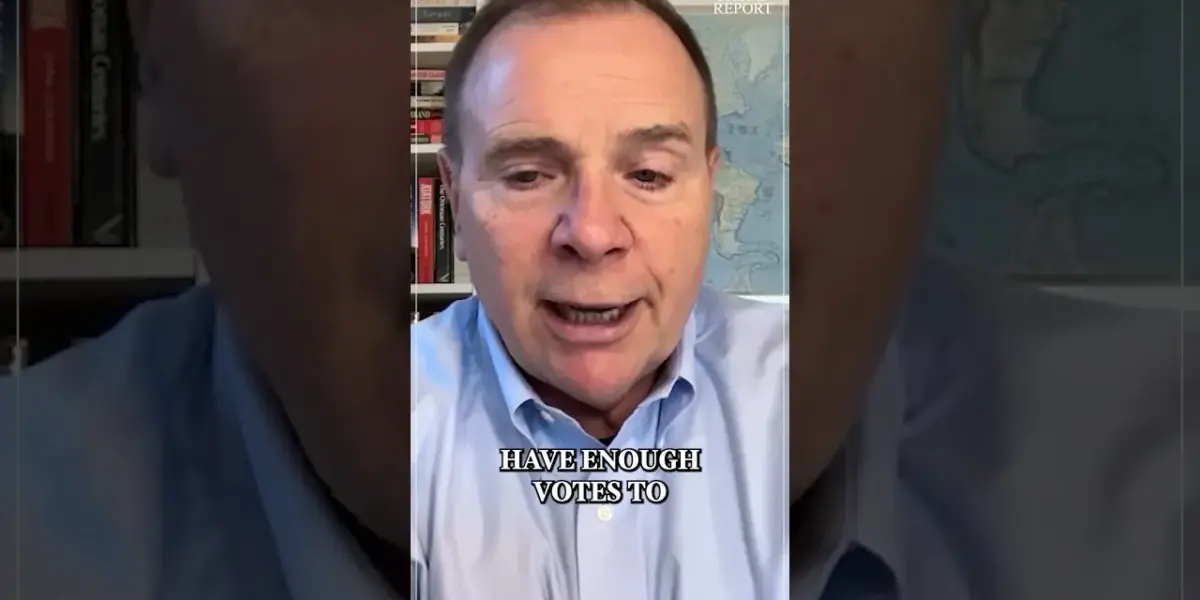
Congress Must Curb Trump’s War Powers Now
Concerns are growing that President Trump’s actions regarding Iran are becoming erratic, leading to calls for Congress to step in. The U.S. government has three main branches: the executive, judicial, and legislative. These branches are designed to check and balance each other, not simply approve whatever the president decides.
Many in Congress, including some Republicans, have failed to use their power to hold the president accountable to the law. This has led to a situation where the president’s authority in matters of war, particularly concerning Iran, is being questioned. It’s a serious issue because it involves the core principles of American governance.
Schumer Forces a Vote
Senator Chuck Schumer, the Democratic leader in the Senate, is trying to bring this issue into the public eye. He knows he doesn’t have enough votes to win a direct confrontation. However, forcing a vote will make Republican lawmakers publicly declare their stance on the president’s war powers. This forces them to choose sides on a critical issue.
An Election Year Dilemma
This debate is happening at a critical time: an election year. All members of the House of Representatives and a third of the Senate are up for reelection. Many voters who supported President Trump did so because he promised to end wars and bring peace, especially in the Middle East. He said he would be a “peace president.”
This puts Republican members of Congress in a difficult position. They want to support the president but also appeal to voters who want to avoid new conflicts. They are trying to find a way to please everyone, but this vote makes that much harder.
Why This Matters
The U.S. Constitution gives Congress the power to declare war, not the president. However, presidents have increasingly used their authority as commander-in-chief to engage in military actions without a formal declaration of war. This shift in power has been happening for decades, with presidents from both parties expanding executive authority in foreign policy.
The current situation with Iran highlights the ongoing tension between the president’s role in national security and Congress’s constitutional oversight. When Congress fails to act, it can allow presidential power to grow unchecked, potentially leading to actions that the public or their representatives may not fully support.
Implications and Future Outlook
If Congress fails to reassert its war powers, it could set a precedent for future presidents. This means future leaders might have even more freedom to engage in military actions without congressional approval. This could lead to increased U.S. involvement in foreign conflicts, with less public debate and oversight.
On the other hand, if Congress successfully limits the president’s war powers, it could lead to a more balanced approach to foreign policy. It might also force a more open discussion about when and why the U.S. should engage in military action. This could lead to more careful consideration of the consequences of war.
Historical Context
The debate over war powers has a long history in the United States. After World War II, Congress passed the War Powers Resolution of 1973. This law aimed to give Congress more control over the president’s ability to commit U.S. forces to armed conflict. It requires the president to notify Congress within 48 hours of introducing armed forces into hostilities and limits the duration of U.S. involvement without congressional authorization.
However, presidents have often found ways around the War Powers Resolution. They have argued that it infringes on their authority as commander-in-chief. This has led to ongoing legal and political battles over the balance of power in making decisions about war. The current situation with President Trump and Iran is the latest chapter in this long-standing debate.
Source: Should Trump be stripped of Iran war powers as fears grow he’s acting ‘unhinged’? (YouTube)

Related Articles
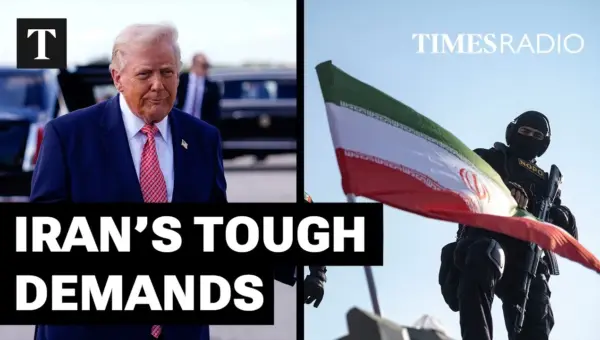
Iran Demands Full Control Over Strait of Hormuz
Iran is pushing for maximum control over the Strait of Hormuz, presenting a maximalist demand in ongoing negotiations. Deep disagreements persist between key global players, particularly concerning Iran's nuclear ambitions and the stability of a potential ceasefire. The clarity and unity of negotiating teams remain uncertain, adding further complexity to the delicate geopolitical situation.
Democrats’ War Powers Push Faces Skepticism in Congress
House Democrats are pushing for a War Powers Resolution vote, but analysts suggest it may not gain traction. Meanwhile, Virginia's governor faces criticism over policy shifts, potentially serving as a political case study.

Iran Tests Global Order Amid Strait of Hormuz Standoff
Peace talks loom as Iran's control over the vital Strait of Hormuz fuels global concern. Analysts question Iran's commitment to agreements, while regional demands and proxy conflicts complicate diplomatic efforts. The situation tests the international order and global energy security.